Fashion retail giant H&M (Hennes & Mauritz) has reported a decline in sales for the month of September, attributing the disappointing performance to unusually warm weather that deterred consumers from purchasing autumn and winter clothing.
H&M, one of the world’s largest fashion retailers, announced a 4% decrease in like-for-like sales for September compared to the same period last year. The company’s management expressed concerns about the lingering warmth in key markets, which they believe led to a reduced demand for cold-weather clothing items.
“The unseasonably warm weather across several of our major markets has impacted consumer behavior and resulted in lower sales of our autumn and winter collections,” stated Helena Helmersson, CEO of H&M Group. “While we anticipated some impact from weather fluctuations, the extent to which it affected our sales in September was unexpected.”
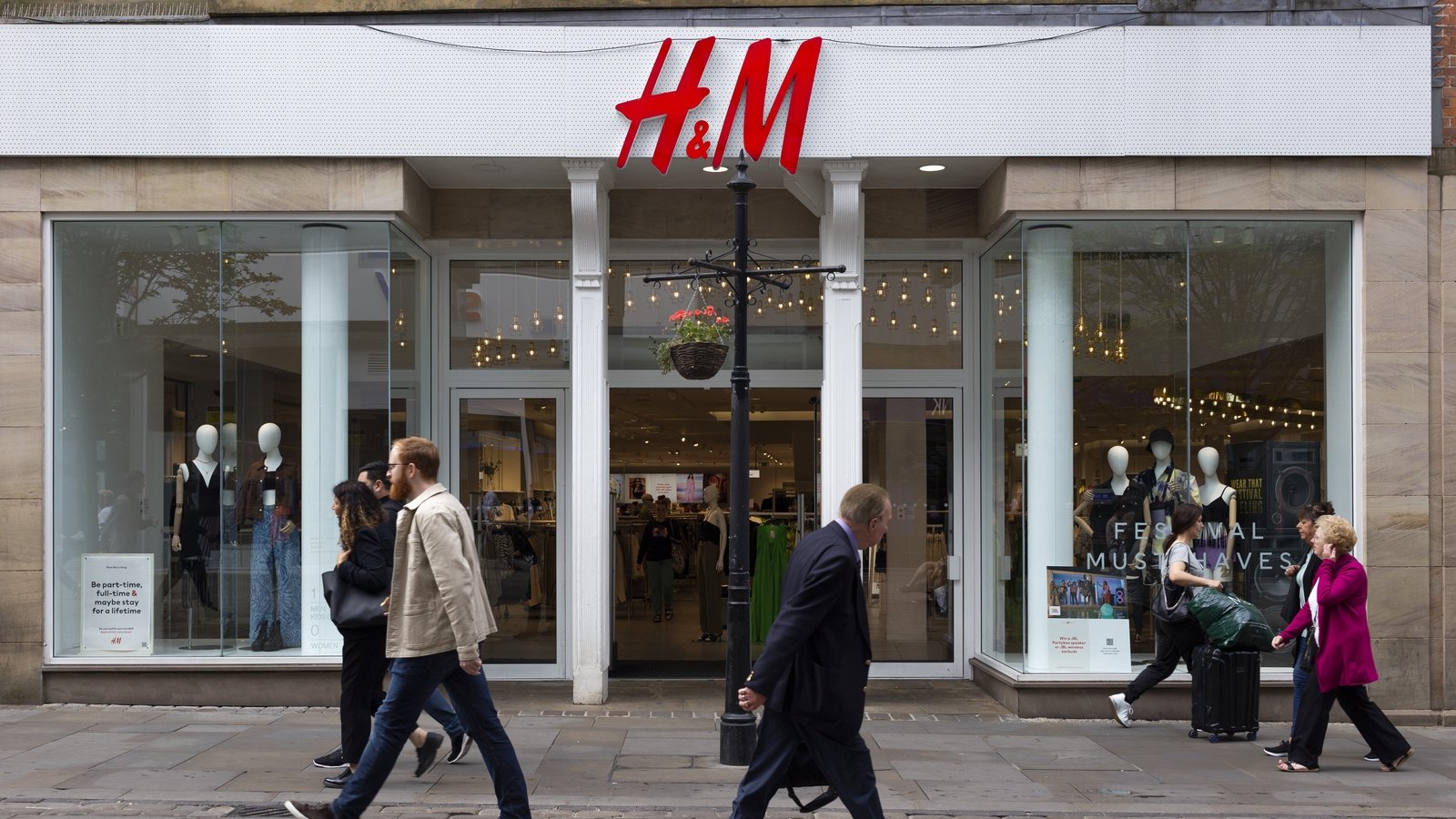
The warmer-than-usual temperatures were particularly pronounced in Europe, where H&M operates a significant portion of its stores. Many consumers delayed their seasonal clothing purchases, opting to continue wearing summer attire rather than investing in colder weather garments.
H&M’s sales figures for September also reflect a broader challenge faced by the retail industry—the ongoing impact of the COVID-19 pandemic. The pandemic has reshaped consumer preferences and shopping habits, with many consumers gravitating towards e-commerce and prioritizing comfort and versatility in their clothing choices.
To adapt to these changing trends, H&M has been focusing on expanding its online presence and improving its digital shopping experience. The company has also been working to enhance its sustainability efforts, which have resonated with a growing number of environmentally-conscious consumers.
Despite the September sales decline, H&M remains optimistic about the upcoming holiday shopping season and the potential for a rebound in sales as cooler weather becomes more prevalent. The company is planning to introduce new collections and marketing campaigns to entice shoppers and recover lost ground.
Market analysts are closely monitoring H&M’s performance as the holiday season approaches, with some suggesting that the company’s ability to adapt to changing consumer habits and weather-related challenges will be critical to its success in the coming months.
H&M’s recent experience highlights the increasing influence of climate patterns on the fashion retail industry and underscores the need for flexibility and adaptability in an ever-changing market. As consumers continue to grapple with the effects of climate change and the ongoing pandemic, fashion retailers like H&M must remain vigilant and innovative in their strategies to meet evolving customer demands.