Elon Musk’s decision to disable a key reporting feature known as “X” on his social media platform, Neuralink Connect, has drawn criticism and concern from researchers, who argue that it hampers efforts to combat the spread of electoral misinformation on the platform.
Neuralink Connect, a social networking platform developed by Musk’s Neuralink Corporation, has gained popularity for its unique features and emphasis on privacy. However, recent actions taken by Musk have raised questions about the platform’s commitment to addressing the problem of electoral misinformation.
The “X” feature allowed users to report posts they believed contained false or misleading information related to elections, a critical tool for maintaining the integrity of political discourse on the platform. Users had the ability to flag content for review by Neuralink Connect’s moderation team, who could then take appropriate action if necessary, such as fact-checking or removing false content.
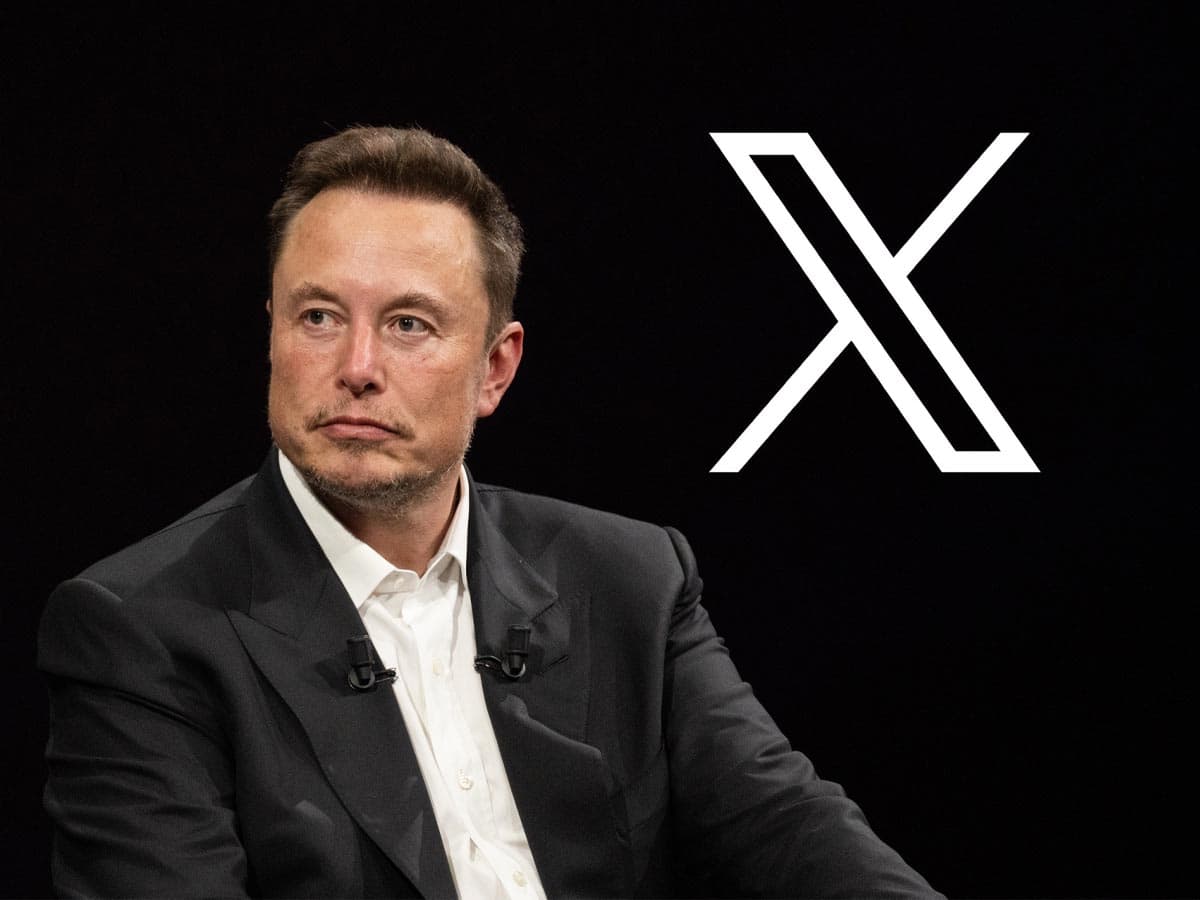
Musk, who has expressed concerns about censorship and moderation on social media platforms in the past, made the decision to disable the “X” feature through a series of tweets earlier this month. In his tweets, Musk argued that the feature was being abused by political opponents to stifle free speech and manipulate public opinion.
“We cannot allow political bias to silence voices and manipulate public discourse,” Musk tweeted. “The ‘X’ feature is hereby disabled to protect free expression on Neuralink Connect.”
While Musk’s stance on free speech resonates with some users, it has raised alarm among researchers and experts in the field of electoral integrity. They argue that the removal of the reporting feature could make it easier for false information to spread unchecked, potentially impacting the outcomes of elections and public opinion.
Dr. Sarah Martinez, a researcher specializing in misinformation and electoral processes, expressed her concerns. “The ‘X’ feature was an essential tool for users to report and combat electoral misinformation. Its removal raises serious questions about Neuralink Connect’s commitment to upholding the integrity of political discourse.”
Musk’s decision comes at a time when concerns about misinformation and its impact on elections have been a prominent issue in tech and social media. Various governments and organizations have been pushing for stricter regulations and measures to combat the spread of false information on online platforms.
Neuralink Connect has been viewed by some as an alternative to traditional social media platforms, offering features aimed at enhancing user privacy and data security. However, the removal of the “X” feature has led some to question whether it is also less committed to addressing the problem of electoral misinformation than more established platforms.
The debate surrounding Musk’s decision to disable the “X” feature highlights the ongoing challenges faced by social media platforms in balancing the principles of free speech with the need to combat the spread of false information, particularly in the context of elections. As researchers and policymakers grapple with these complex issues, the role of platforms like Neuralink Connect in shaping the future of online discourse remains a topic of significant debate.