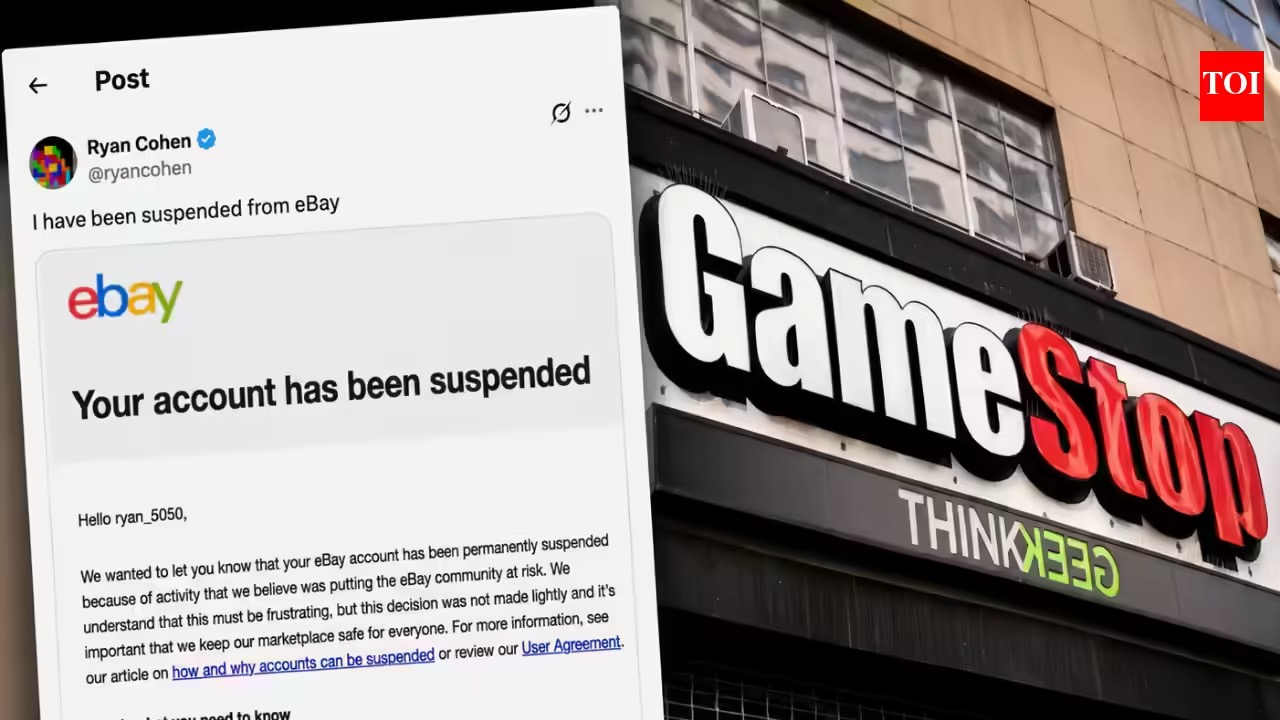
GameStop CEO Ryan Cohen has once again captured the internet’s attention with an unconventional strategy that sounds almost too absurd to be real: reportedly selling GameStop merchandise on eBay while exploring a possible takeover of eBay itself.
The unusual development has sparked widespread discussion across financial markets, social media platforms, and online investing communities, where users quickly turned the situation into a viral joke. The phrase “selling stuff on eBay to pay for eBay” has become the defining summary of the bizarre yet fascinating story surrounding Cohen and the meme-stock retailer he helped revive.
According to reports circulating among market insiders, Cohen has been involved in selling GameStop-related collectibles, gaming memorabilia, promotional merchandise, and surplus products through eBay listings connected to personal or affiliated accounts. While the actual money generated from those sales would represent only a tiny fraction of what would be needed for an acquisition of a company the size of eBay, the symbolic nature of the move has fueled enormous interest online.
The reports come amid renewed speculation that Cohen may be considering major strategic expansion plans for GameStop beyond its traditional retail business. Since becoming the face of the company’s transformation during the meme-stock boom of 2021, Cohen has repeatedly emphasized the importance of digital commerce, online communities, and collector-focused marketplaces.
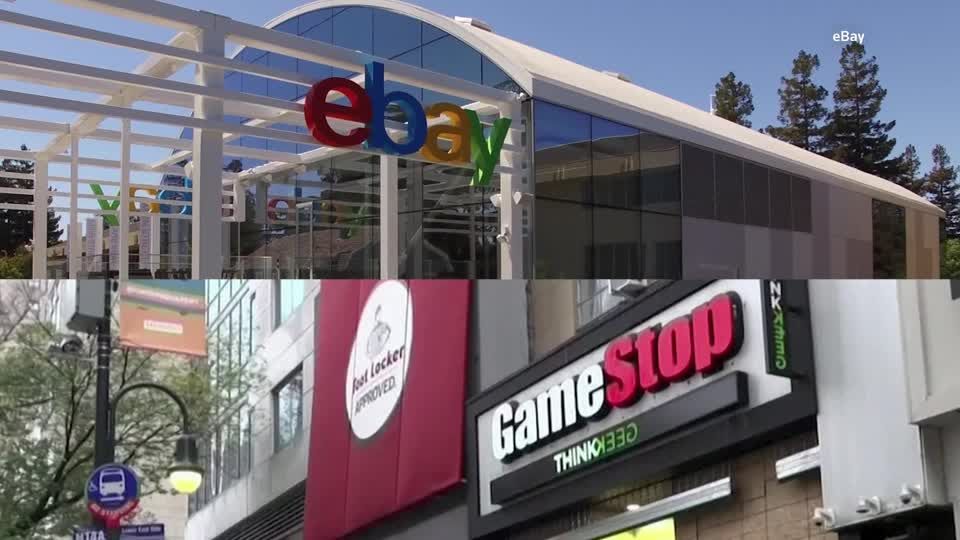
Industry observers say the idea of GameStop pursuing eBay may sound improbable at first glance, but it aligns with Cohen’s long-standing interest in e-commerce businesses. Before taking control of GameStop, Cohen became widely known for co-founding Chewy, the online pet supply company that grew into one of the most successful e-commerce stories in recent years.
That experience established Cohen as a technology-focused entrepreneur with ambitions far beyond physical retail stores. Many investors believe he has always viewed GameStop not simply as a video game retailer, but as a brand capable of evolving into a larger digital commerce platform.
The prospect of a GameStop-eBay connection has generated excitement among retail investors who remain fiercely loyal to Cohen and the company years after the original meme-stock frenzy shocked Wall Street. Online communities have reacted with a mix of humor, optimism, and disbelief, with some supporters describing the reported merchandise sales as a perfect reflection of internet-driven corporate culture.
Social media platforms quickly filled with screenshots of rare GameStop-branded items appearing on eBay listings, including retro gaming collectibles, limited-edition accessories, store promotional materials, and nostalgic merchandise tied to the company’s long history in gaming culture. Some listings reportedly attracted unusually high bids after users speculated they could be linked to Cohen or GameStop insiders.
For many retail traders, the story represents another chapter in the unpredictable rise of GameStop from struggling retailer to internet phenomenon. During the pandemic-era meme-stock rally, GameStop became the center of a massive battle between retail investors and hedge funds that had heavily bet against the company’s survival. The stock’s historic surge transformed Cohen into a celebrity figure among online traders.
Although GameStop eventually stabilized its business operations, questions about its long-term strategy have continued to follow the company. The retailer has faced persistent challenges tied to declining physical video game sales, growing competition from digital downloads, and changing consumer behavior in the gaming industry.
Cohen has responded by aggressively restructuring the company. GameStop closed underperforming stores, reduced operating costs, streamlined management, and explored new business ventures including blockchain technology, digital assets, and online marketplaces. Some initiatives failed to gain traction, but Cohen has continued signaling that the company’s future lies in digital commerce and enthusiast-driven online communities.
That is why some analysts believe eBay could hold strategic appeal for GameStop. eBay remains one of the world’s largest marketplaces for collectibles, refurbished electronics, gaming items, trading cards, and secondhand products — categories that overlap heavily with GameStop’s customer base.
A successful acquisition would instantly give GameStop access to a massive global e-commerce infrastructure and millions of active users. Supporters of the idea argue that Cohen may envision combining GameStop’s gaming culture identity with eBay’s marketplace technology to create a new type of online destination for collectors and hobbyists.
Still, financial experts remain skeptical about whether such a deal is realistically achievable. eBay’s market value is substantially larger than GameStop’s, meaning any acquisition would likely require enormous outside financing, strategic partners, or highly complex deal structures.
Critics also argue that the publicity surrounding the rumors risks overshadowing GameStop’s ongoing operational challenges. Despite improving its balance sheet in recent years, the company still faces intense competition from major gaming platforms and online retailers. Some investors worry that pursuing ambitious acquisition targets could distract management from strengthening the core business.
Meanwhile, eBay itself has spent years attempting to reinvent its identity in an increasingly crowded e-commerce market. Once considered one of the internet’s dominant online shopping destinations, eBay has faced growing pressure from companies such as Amazon, Facebook Marketplace, Etsy, and newer resale-focused platforms.
However, eBay continues to maintain strong profitability and a loyal global user base, particularly in categories centered around collectibles and enthusiast products. That niche focus has become increasingly valuable as online resale culture expands among younger consumers.
Whether the reported buyout discussions evolve into something serious remains uncertain. Neither company has officially confirmed acquisition negotiations, and some analysts believe the rumors could simply reflect exploratory conversations or speculative market chatter rather than a concrete deal in progress.
Even so, the story has already succeeded in capturing the imagination of investors and internet users alike. In an era where corporate strategy, meme culture, and online communities increasingly overlap, the image of a billionaire CEO selling GameStop merchandise on eBay while potentially plotting a takeover of the platform itself feels strangely fitting.
For Ryan Cohen and GameStop, it is yet another reminder that the company continues to operate unlike almost any traditional corporation on Wall Street — part retailer, part internet movement, and part ongoing spectacle fueled by digital culture and retail investor enthusiasm.