Italian luxury sports car manufacturer Ferrari has officially unveiled its first fully electric vehicle, marking one of the most significant transformations in the company’s history. The launch represents a major turning point for the iconic automaker, which has long been associated with roaring combustion engines, high-performance engineering, and a deeply emotional driving experience.
The new electric model, named the Ferrari Luce, was revealed during a glamorous event attended by automotive executives, industry experts, celebrities, and loyal Ferrari enthusiasts. With this unveiling, Ferrari joins a growing list of luxury carmakers entering the electric vehicle market while attempting to preserve the performance identity that made their brands legendary.
For decades, Ferrari has been known for its powerful V8 and V12 engines, many of which became symbols of speed, prestige, and motorsport excellence. The company’s unmistakable engine sound has often been considered as important as the car’s appearance or performance. Because of this, the announcement of a fully electric Ferrari had generated intense debate among fans and industry analysts long before the official launch.
Ferrari executives described the new vehicle as a “new era” for the company rather than a break from tradition. According to the automaker, the goal was not simply to create an electric car but to build a vehicle that still feels unmistakably Ferrari.

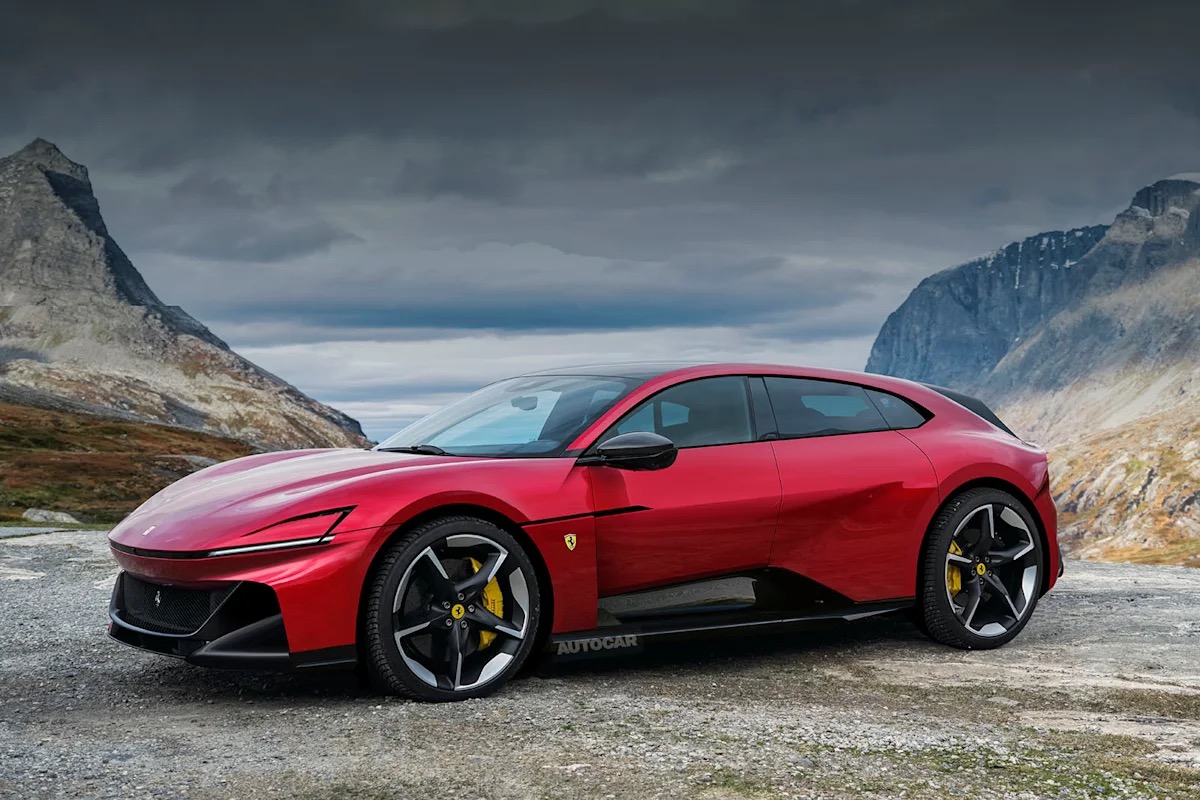
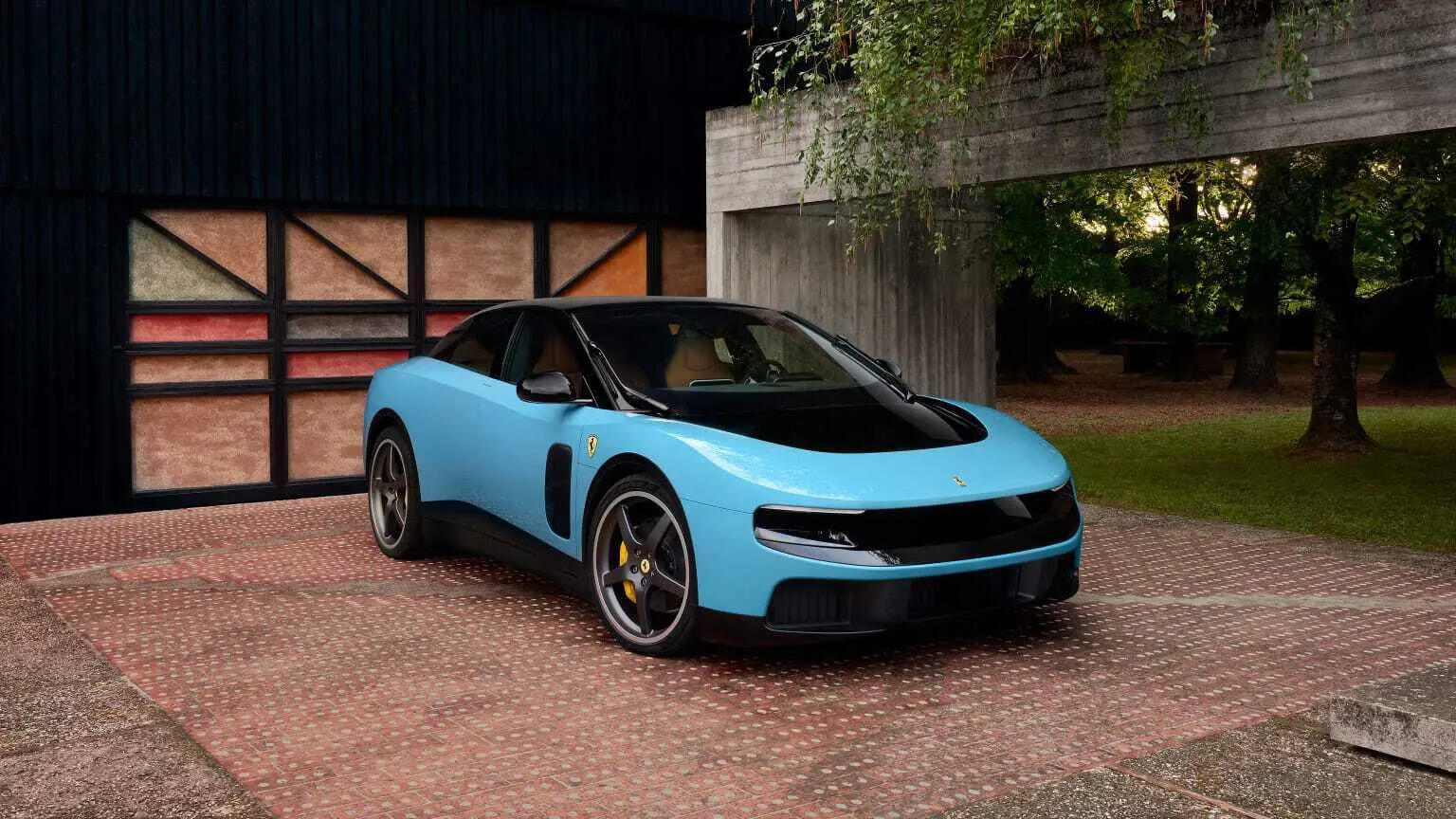
The Ferrari Luce features a futuristic design that differs significantly from the company’s traditional sports cars. The vehicle combines sleek aerodynamic lines with a spacious cabin and a more practical layout than many previous Ferrari models. While maintaining the aggressive styling associated with the brand, the Luce introduces a modern interpretation aimed at appealing to younger luxury buyers and environmentally conscious customers.
The electric supercar is powered by multiple high-performance electric motors that reportedly produce over 1,000 horsepower. Ferrari claims the vehicle can accelerate from 0 to 100 kilometers per hour in approximately 2.5 seconds, placing it among the fastest electric vehicles in the world. The company also says the car offers a driving range exceeding 500 kilometers on a single charge, making it suitable for both daily driving and long-distance touring.
One of the biggest challenges Ferrari faced in developing the vehicle was recreating the emotional connection traditionally provided by its combustion engines. To address this issue, engineers developed an advanced acoustic system designed to produce distinctive sounds and vibrations intended to replicate the excitement of driving a traditional Ferrari. Company officials stressed that the experience was carefully engineered to remain authentic rather than artificial.
Ferrari CEO Benedetto Vigna called the launch a “historic milestone” and emphasized that innovation has always been part of Ferrari’s identity. He stated that the company’s transition toward electrification is a response not only to changing environmental expectations but also to evolving customer demands and technological progress.
The launch comes at a time when the global automotive industry is undergoing rapid transformation. Governments around the world are introducing stricter emissions regulations, while consumers increasingly demand sustainable transportation options. Many major automakers have announced plans to phase out combustion engines over the coming decades, investing billions of dollars into electric vehicle development.
Luxury and performance brands, however, face unique challenges in the transition to electric mobility. Companies such as Ferrari, Lamborghini, and Aston Martin have built their reputations on engine sound, mechanical engineering, and emotional driving experiences that many enthusiasts fear could be lost in the electric era.
Despite these concerns, Ferrari has gradually prepared for this moment over the last several years. The company previously introduced hybrid models that combined electric technology with traditional combustion engines. Vehicles such as the SF90 Stradale demonstrated Ferrari’s ability to integrate electrification without compromising performance.
Industry experts believe Ferrari’s entry into the fully electric market could have major implications for the luxury automotive sector. Because Ferrari is one of the most respected and recognizable names in performance cars, its willingness to embrace electrification may encourage other traditional manufacturers to accelerate their own EV programs.
The unveiling also highlights Ferrari’s efforts to attract a new generation of wealthy consumers, particularly younger buyers who are more interested in sustainability and advanced technology. Electric vehicles have become increasingly popular among affluent customers seeking both luxury and environmental responsibility.
At the same time, Ferrari faces the difficult task of satisfying long-time enthusiasts who remain skeptical about electric supercars. Reactions on social media following the unveiling were sharply divided. Some praised the company for embracing innovation and taking bold creative risks, while others criticized the departure from Ferrari’s classic identity and styling traditions.
The Ferrari Luce is expected to carry a price tag exceeding half a million euros, placing it firmly within the ultra-luxury category. Initial production numbers are likely to remain limited, consistent with Ferrari’s long-standing strategy of maintaining exclusivity and high demand for its vehicles.
The company has also invested heavily in new manufacturing facilities dedicated to electric technology, including battery systems and electric drivetrains. Ferrari officials say these investments are essential for the company’s future growth and long-term competitiveness in a rapidly evolving market.
Deliveries of the new electric Ferrari are expected to begin in late 2026, with pre-orders already attracting strong interest from collectors and loyal customers around the world.
Whether the Luce becomes a commercial triumph or a controversial experiment, its unveiling marks a defining moment not only for Ferrari but for the future of high-performance automobiles. The launch demonstrates that even the most tradition-bound automotive brands are now preparing for an electric future, one that could permanently reshape the meaning of speed, luxury, and driving passion in the years ahead.