In a groundbreaking development, Waymo, the autonomous vehicle subsidiary of Alphabet Inc., has received official approval to deploy its robotaxis on California highways. The green light from state authorities marks a significant milestone for the self-driving technology pioneer and signals a new era in autonomous transportation.
The California Department of Motor Vehicles (DMV) granted Waymo the necessary permits to operate its fleet of robotaxis on public roads, allowing the company to offer its autonomous ride-hailing services to the public. This approval comes after extensive testing and validation processes to ensure the safety and reliability of Waymo’s self-driving technology.
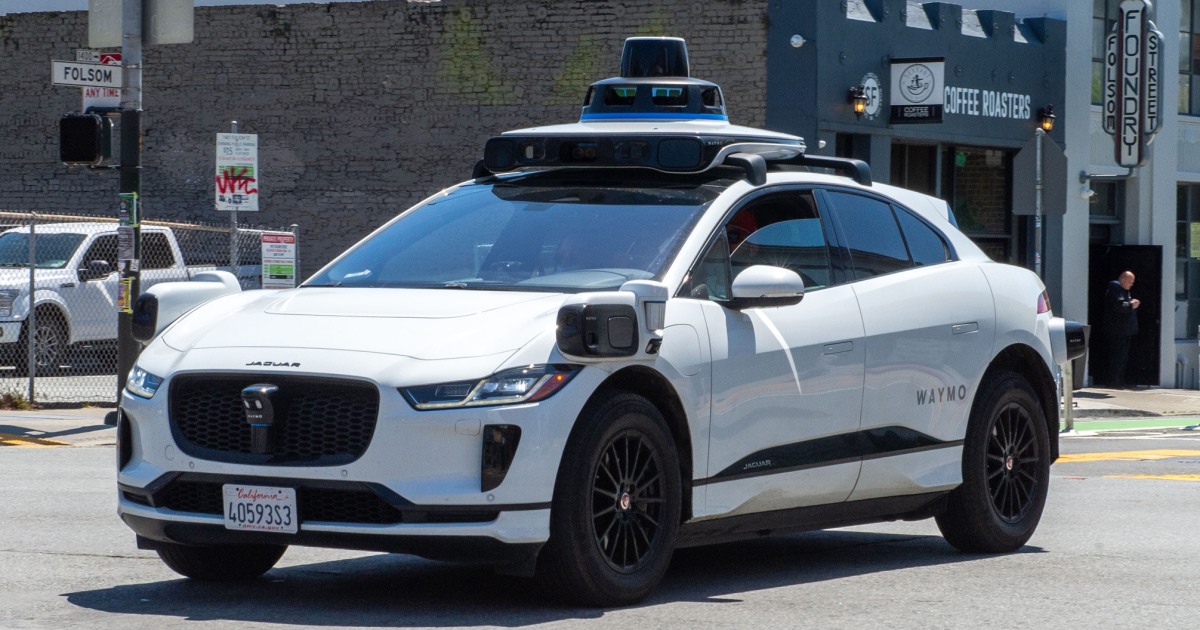
Waymo has been at the forefront of autonomous vehicle technology, accumulating millions of miles in testing across various locations. The company’s fleet of self-driving vehicles incorporates advanced sensors, cameras, and lidar technology to navigate and respond to the dynamic environment around them.
John Krafcik, CEO of Waymo, expressed enthusiasm about the approval and highlighted the company’s commitment to advancing autonomous transportation. “We’re excited to bring our Waymo One robotaxi service to the streets of California. This marks a crucial step forward in our mission to make transportation safer and more accessible for everyone,” Krafcik stated in a press release.
The deployment of Waymo’s robotaxis in California is expected to have far-reaching implications for the autonomous vehicle industry. The state, known for its tech-savvy population and complex traffic conditions, serves as a significant testing ground for companies developing self-driving technologies.

Waymo One, the company’s autonomous ride-hailing service, has already been operational in select areas, providing users with the opportunity to experience the convenience of self-driving transportation. With the expansion to California highways, Waymo aims to offer its services to a broader audience, gradually transforming the way people commute.
The approval process involved rigorous scrutiny of Waymo’s safety protocols, accident response mechanisms, and data privacy measures. California DMV officials worked closely with Waymo to ensure that the deployment of robotaxis adheres to the state’s stringent regulations governing autonomous vehicle operations.
As the autonomous vehicle industry continues to mature, regulatory bodies play a crucial role in shaping the future of self-driving technology. Waymo’s approval in California sets a precedent for other companies in the autonomous vehicle space, signaling that state authorities are becoming increasingly open to embracing this transformative technology.
With the green light to hit California highways, Waymo has positioned itself at the forefront of the autonomous vehicle revolution, poised to redefine the landscape of urban transportation in the years to come. The public can expect to witness the emergence of a new era in mobility as Waymo’s robotaxis seamlessly navigate the busy streets of California.