In a recent twist to the ongoing saga surrounding OpenAI and its founding principles, the company has refuted claims made by its co-founder, Elon Musk, regarding an alleged “founding agreement” aimed at maintaining the organization as a nonprofit entity. Musk’s assertion, made via Twitter, has sparked debate and speculation within the tech and AI communities.
OpenAI, a research organization focused on artificial intelligence and machine learning advancements, was established in December 2015 by a group of prominent figures including Elon Musk, Sam Altman, Greg Brockman, Ilya Sutskever, Wojciech Zaremba, and John Schulman. The organization initially positioned itself as a nonprofit with a mission to ensure that artificial general intelligence (AGI) benefits all of humanity.
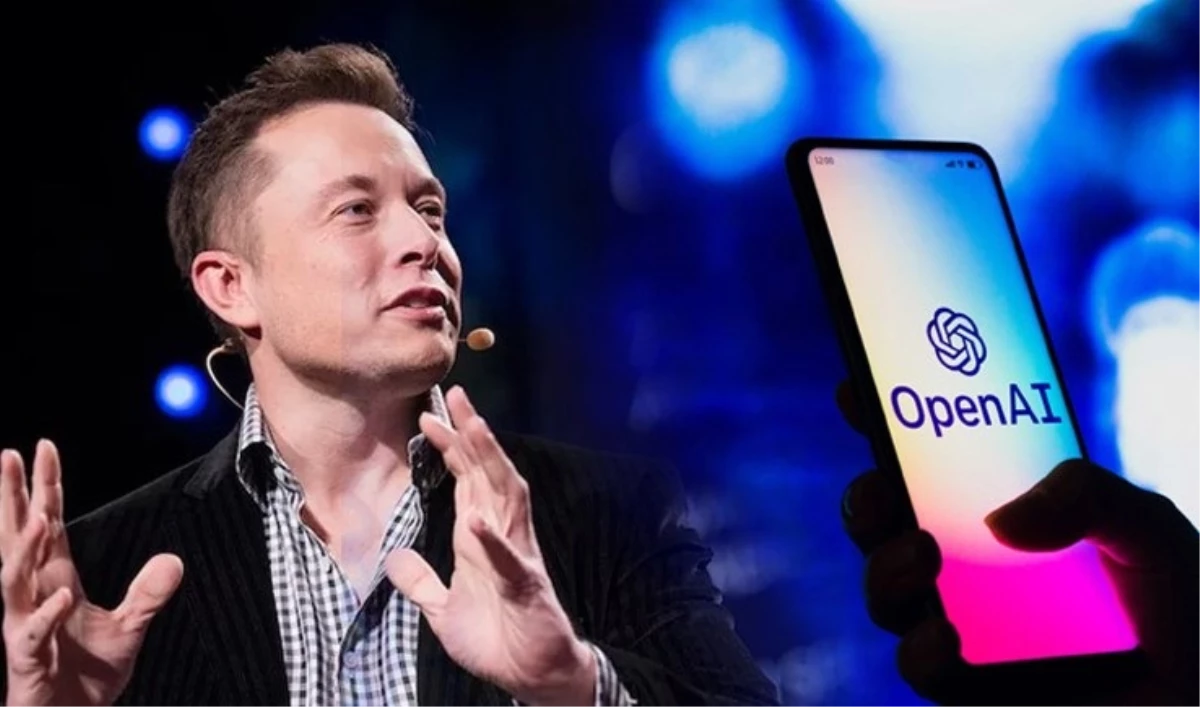
However, recent statements by Musk have brought the organization’s founding principles into question. Musk, who resigned from OpenAI’s board in 2018 due to conflicts of interest with his other ventures, claimed on Twitter that there was a “founding agreement” to keep OpenAI a nonprofit. His assertion implied that OpenAI’s decision to shift its structure towards a for-profit model was against the original intent of the organization’s founders.
OpenAI swiftly responded to Musk’s claims, denying the existence of any such binding agreement. In a statement to the press, OpenAI emphasized that while there were discussions surrounding the organization’s structure during its inception, there was no formal agreement mandating it to remain a nonprofit indefinitely. The organization clarified that its evolution towards a for-profit model was a strategic decision made to ensure sustainability and to attract the necessary funding for its ambitious research goals.

This public disagreement between Musk and OpenAI has brought renewed attention to the challenges of navigating ethical considerations in AI development, particularly regarding the balance between innovation, profitability, and societal impact. Musk, known for his vocal warnings about the potential dangers of artificial intelligence, has often advocated for responsible AI development. However, his recent statements suggest a divergence in perspectives between him and the organization he helped co-found.
The controversy also underscores the broader debate within the tech industry about the best approaches to AI governance and regulation. As AI technologies continue to advance rapidly, questions surrounding accountability, transparency, and the equitable distribution of benefits and risks remain at the forefront of discussions among policymakers, researchers, and industry leaders.
Despite the disagreement, OpenAI reaffirmed its commitment to its core mission of advancing AI in a safe and beneficial manner for society. The organization remains focused on conducting cutting-edge research, collaborating with the global AI community, and promoting responsible AI development practices.
As the debate unfolds, stakeholders will be closely watching how OpenAI navigates the complexities of balancing its technological ambitions with its ethical obligations, while also addressing the concerns raised by its co-founder, Elon Musk.