
In a surprising turn of events, Telegram CEO Pavel Durov was arrested at Charles de Gaulle Airport in Paris earlier today. The arrest has sent shockwaves through the tech industry, given Durov’s prominent role as the founder of one of the world’s most popular encrypted messaging platforms.
The Arrest
According to sources close to the incident, Durov was detained by French authorities upon arrival from Dubai. The arrest reportedly stems from an international warrant issued by a country that has yet to be identified. However, early reports suggest that the warrant could be linked to Durov’s ongoing legal battles concerning Telegram’s use of encryption technologies, which have been a point of contention in various jurisdictions.
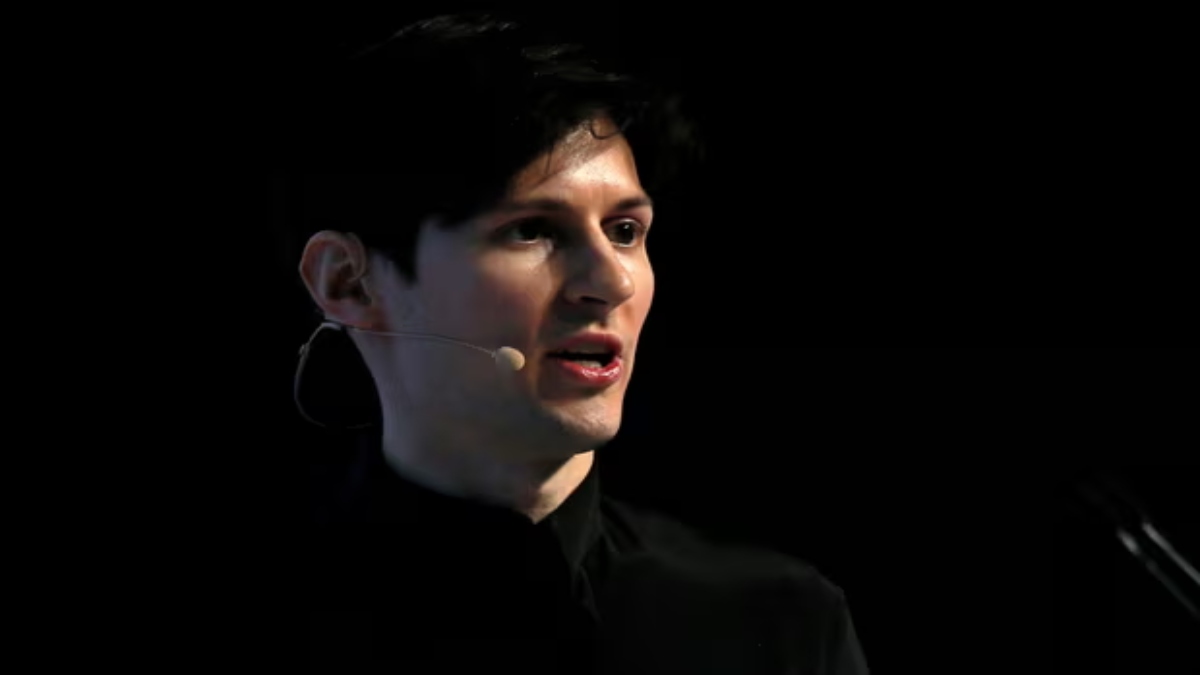)
While the exact charges remain unclear, some experts speculate that the arrest may be connected to Telegram’s refusal to comply with government demands for access to user data. Over the years, Telegram has been at the forefront of debates around privacy and government surveillance, often clashing with authorities in countries like Russia, Iran, and India.
Given Telegram’s end-to-end encryption and its stance on user privacy, it has often been accused of facilitating criminal activities by enabling anonymous communication. Governments in several countries have tried to force Telegram to share data or block access to the app altogether. Durov has consistently resisted these demands, arguing that compromising user privacy would undermine the platform’s core principles.
Telegram’s Response
In a statement released on Telegram shortly after the arrest, a company spokesperson said, “We are aware of the situation involving our CEO, Pavel Durov, in France. We are currently gathering more information and are working with legal experts to resolve this matter swiftly. We want to assure our users that this will not affect the security and functionality of Telegram.”
The statement further emphasized Telegram’s commitment to privacy, stating that the company will continue to protect its users’ data regardless of the pressures it faces from governments worldwide.

Durov’s arrest has sparked a wave of reactions from privacy advocates, tech leaders, and government officials alike. Many have expressed concern over the implications of this incident for digital privacy and the future of encrypted communications.
Edward Snowden, the well-known whistleblower and privacy advocate, took to Twitter to express his dismay, saying, “Pavel Durov’s arrest is a dark day for digital privacy. It shows that governments will go to great lengths to suppress those who dare to protect our online freedoms.”
On the other hand, some government officials have praised the arrest, arguing that it could lead to greater cooperation from tech companies in addressing criminal activities facilitated by encrypted messaging platforms.
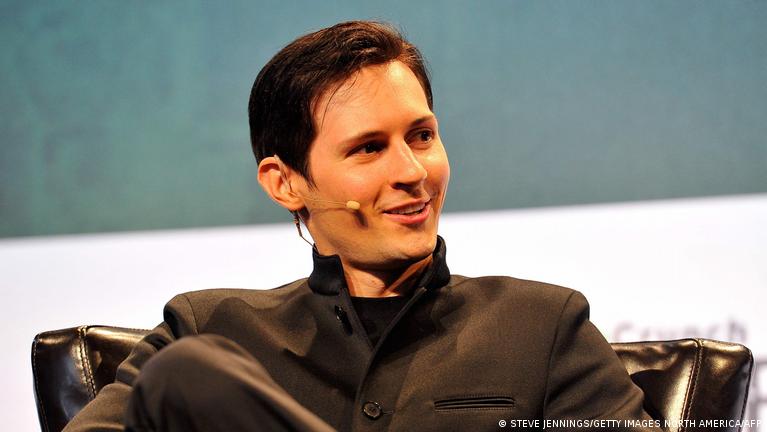
As of now, it remains unclear how long Durov will be held in France and what the potential outcomes of this arrest might be. Legal experts suggest that if the warrant is related to Telegram’s encryption policies, the case could have significant ramifications for the tech industry, potentially setting new precedents for how companies handle user data and government demands.
Durov’s legal team is expected to seek his immediate release, and the situation is likely to develop rapidly over the coming days. Meanwhile, the arrest has only intensified the ongoing global debate over the balance between privacy and security in the digital age.
As the story unfolds, all eyes will be on France and Pavel Durov, whose actions in the coming days could shape the future of digital privacy and encrypted communications.