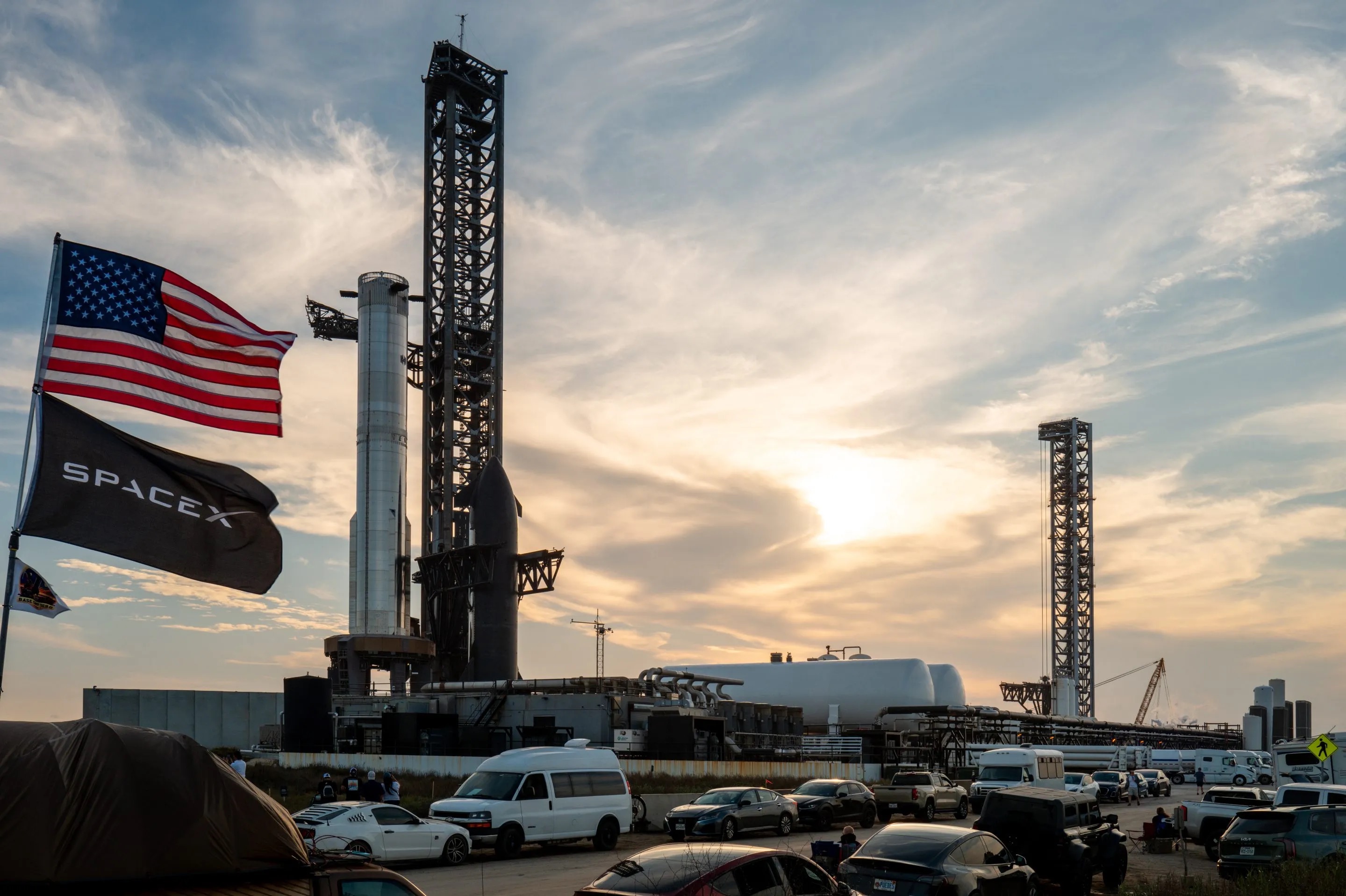
In a development that underscores the extraordinary rewards of long-term strategic investing, Alphabet Inc. is poised to secure a windfall that could exceed $100 billion from its early stake in SpaceX. The anticipated surge in value comes as the private aerospace giant, led by Elon Musk, reportedly considers a historic initial public offering (IPO) that could value the company at nearly $2 trillion.
Alphabet’s involvement with SpaceX dates back to 2015, when it participated in a $1 billion funding round alongside Fidelity Investments. At the time, SpaceX was valued at approximately $12 billion, and the investment was widely viewed as a bold but uncertain bet on the future of commercial spaceflight and satellite communications. Fast forward to today, and that early confidence appears to have positioned Alphabet for one of the most significant investment returns in corporate history.
If SpaceX achieves the projected $2 trillion valuation in a future IPO, Alphabet’s stake—estimated to be between 7% and 10% through various investment vehicles—could translate into gains exceeding $100 billion. Such a return would not only dwarf its original investment but also rival the largest venture capital successes ever recorded in the technology sector.
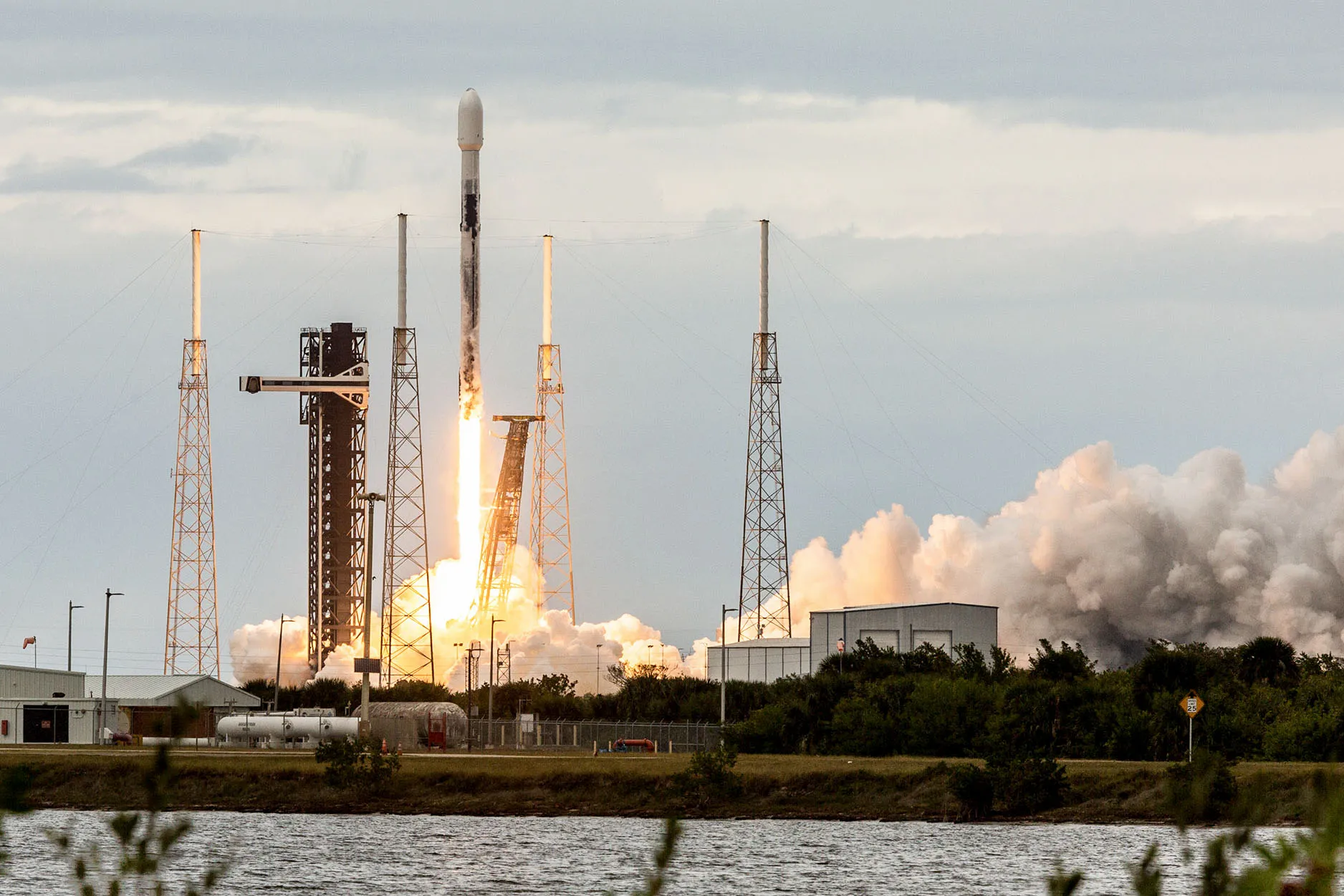
The remarkable rise of SpaceX can be attributed to its disruptive innovations and its ability to execute ambitious projects at scale. The company has transformed the aerospace industry with its reusable rocket technology, drastically reducing the cost of launching payloads into orbit. Its Falcon 9 and Falcon Heavy rockets have become workhorses for commercial, governmental, and scientific missions, while its Starship program aims to push the boundaries of interplanetary travel.
A major driver of SpaceX’s soaring valuation is its satellite internet division, Starlink. Designed to provide high-speed internet access across the globe, particularly in underserved and remote regions, Starlink has rapidly expanded its user base into the millions. Its growing revenue stream and strategic importance in global communications infrastructure have made it a central pillar of SpaceX’s business model.
Industry observers note that Starlink’s success has effectively transformed SpaceX from a capital-intensive aerospace venture into a hybrid technology company with recurring revenue potential. This shift has made the prospect of a public listing more attractive to investors, as it provides a clearer path to profitability and long-term growth. Some analysts believe that Starlink itself could be spun off into a separate publicly traded entity, allowing investors to access its revenue-generating capabilities independently of SpaceX’s more speculative ventures.
The potential IPO has also sparked discussions about wealth creation on an unprecedented scale. Early employees, engineers, and long-term stakeholders in SpaceX could see their equity stakes translate into vast fortunes, echoing—but potentially surpassing—the wealth generated during the early public offerings of Silicon Valley giants. A successful listing at the projected valuation would likely create a new wave of billionaires and further cement SpaceX’s status as one of the most valuable companies in the world.
For Alphabet, the implications extend beyond financial gain. The anticipated windfall could significantly strengthen its already formidable balance sheet, providing additional capital to invest in strategic areas such as artificial intelligence, cloud computing, and next-generation technologies. It also highlights Alphabet’s ability to identify transformative opportunities outside its core business and commit to them with a long-term perspective.
At the same time, uncertainties remain regarding the timing and structure of SpaceX’s IPO. Elon Musk has historically expressed caution about taking the company public, citing the challenges of managing long-term, capital-intensive projects under the scrutiny of public markets. SpaceX’s ambitious goals, including missions to Mars and the continued expansion of its satellite network, require sustained investment and a tolerance for risk that may not align easily with shareholder expectations.
Market conditions will also play a critical role in determining whether and when the IPO takes place. A listing of this magnitude would require strong investor confidence and favorable economic conditions to justify its unprecedented valuation. Nonetheless, growing interest in the space economy, coupled with SpaceX’s proven track record, suggests that demand for its shares could be substantial.
The broader implications of a $2 trillion valuation for SpaceX are equally significant. It would mark a turning point for the global space industry, signaling its transition from a niche sector dominated by government agencies to a central component of the modern economy. The success of SpaceX has already inspired a wave of investment in space-related ventures, ranging from satellite technology to lunar exploration.
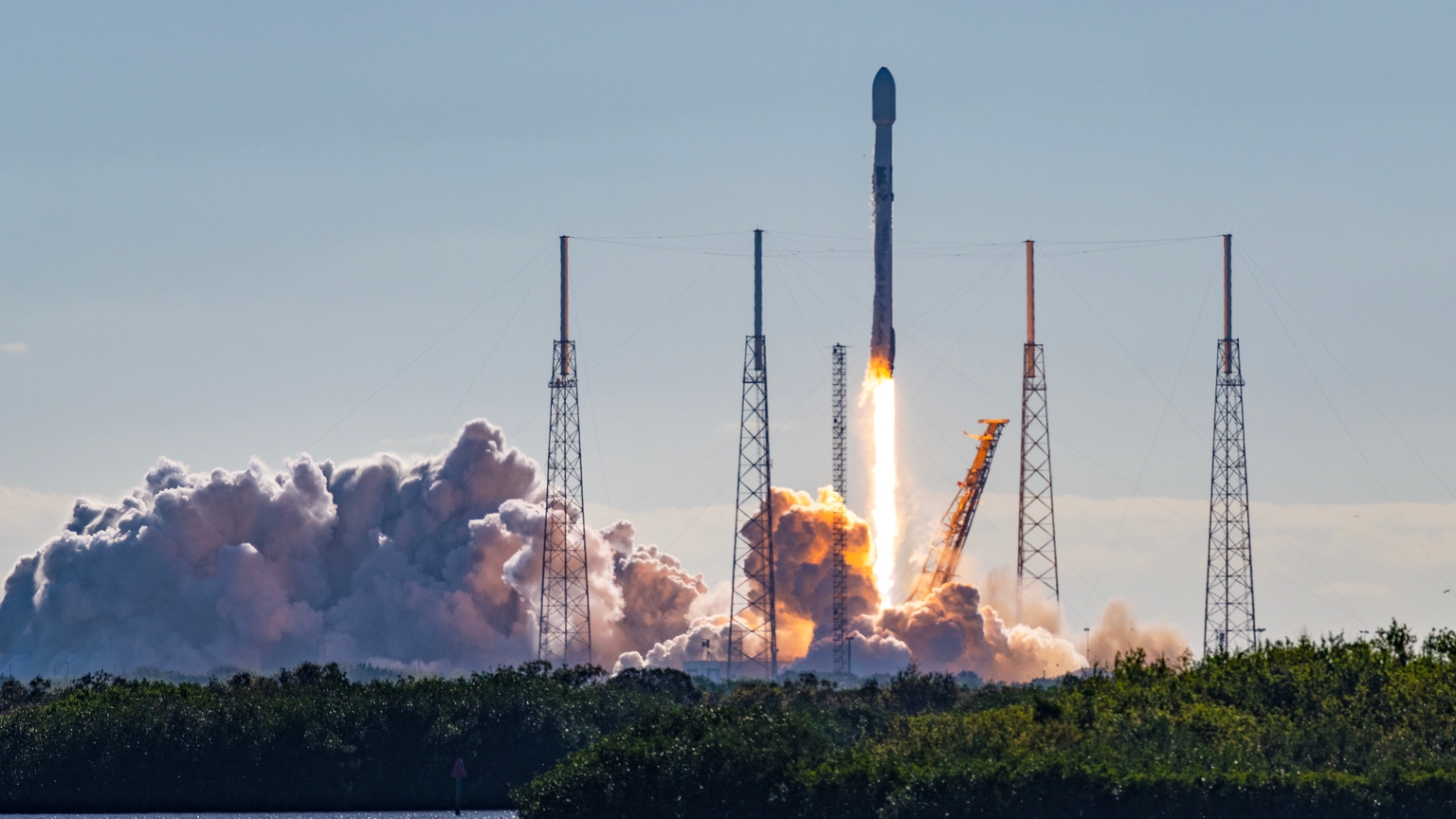
In this context, Alphabet’s potential $100 billion windfall stands as a testament to the power of visionary investing. What began as a relatively modest stake in a then-ambitious startup has evolved into a cornerstone of value creation, illustrating how early bets on transformative technologies can yield extraordinary returns.
As anticipation builds around SpaceX’s next move, the spotlight remains firmly on both the company and its investors. Whether the IPO materializes in the near future or further down the line, one thing is clear: Alphabet’s early faith in SpaceX has positioned it to benefit from one of the most remarkable growth stories of the 21st century.