Recent signals from Russia suggest the country could be planning to disrupt Western internet and GPS infrastructure, escalating concerns about the fragility of global communications and navigation systems. The potential threat has exposed a glaring vulnerability: there is no comprehensive backup plan in place to counter such an attack, which could have far-reaching consequences for everything from military operations to everyday civilian life.
The Emerging Threat
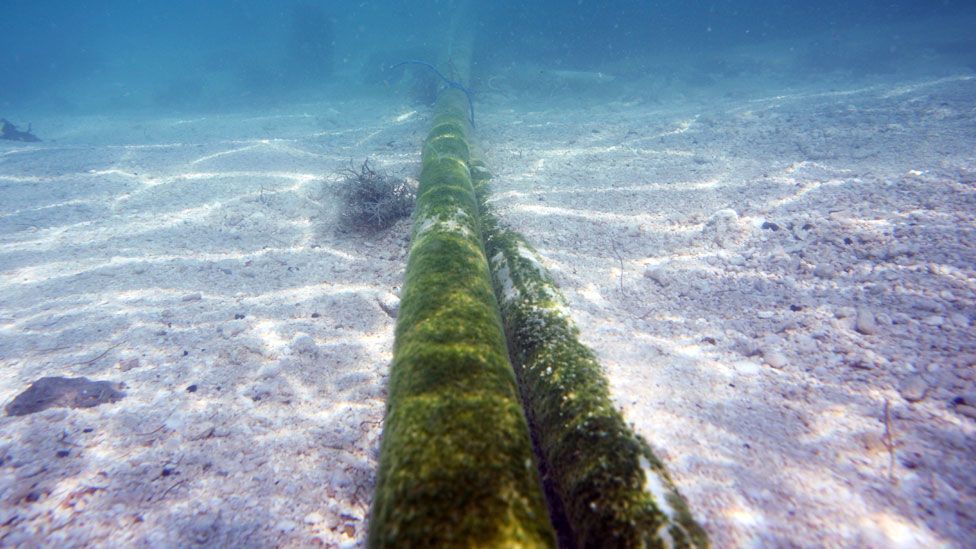
Tensions between Russia and the West have been simmering for years, but recent actions and statements from Russian officials have heightened fears that Moscow might target the undersea cables and satellite networks that form the backbone of the internet and GPS systems. Russian military maneuvers near critical undersea communication lines in the Atlantic, combined with increasingly aggressive rhetoric, have led to speculation that these essential infrastructures could be at risk.

A senior U.S. defense official, who spoke on the condition of anonymity, confirmed that the threat is being taken seriously. “We’ve seen activity that suggests Russia is looking at ways to disrupt our communications and navigation capabilities,” the official said. “If they were to take out these systems, it would cause significant disruption not just to military operations but to the global economy and daily life as we know it.”
Potential Impact of an Attack
The internet and GPS systems are integral to modern life, underpinning everything from global financial transactions to emergency services, transportation, and military operations. Disrupting these systems would create chaos on a scale that is difficult to fully comprehend. Without GPS, transportation networks would be thrown into disarray, affecting everything from air travel to shipping and ground transport. The internet, which relies heavily on undersea cables for global connectivity, could see major outages, paralyzing communications, banking, and even critical infrastructure like power grids.
Military experts warn that such an attack could be particularly devastating in a conflict scenario. Western military forces, which are heavily reliant on GPS for navigation and targeting, would be severely handicapped. The loss of internet connectivity could also hinder command and control, making coordinated defense efforts much more difficult.
No Comprehensive Backup Plan
Despite the critical importance of these systems, there is currently no robust backup plan in place to protect against or quickly recover from such an attack. While some redundancy exists in the form of alternative satellites and communications networks, these are not sufficient to fully compensate for the loss of primary systems.
In the event of an attack on undersea cables, repair efforts would be complicated by the fact that these cables are often located in remote and deep parts of the ocean. Repairs could take weeks or even months, during which time the affected regions would face significant disruptions.
As for GPS, while there are alternative systems like the European Union’s Galileo or China’s BeiDou, switching to these systems would not be seamless, particularly for military applications that are specifically calibrated to U.S. GPS satellites.
Calls for Action
The emerging threat has prompted calls for the U.S. and its allies to accelerate efforts to harden their infrastructure and develop more resilient backup systems. Experts have urged investment in new technologies, such as quantum communication networks and alternative navigation systems that do not rely on satellites. There are also calls for increased international cooperation to protect undersea cables and satellite networks from both state and non-state actors.
“Right now, we’re far too reliant on systems that are vulnerable to attack,” said Dr. Elena Orlov, a cybersecurity and geopolitics expert. “The lack of a robust backup plan leaves us exposed, and we need to start addressing these vulnerabilities before it’s too late.”
A Global Security Concern
The potential disruption of internet and GPS systems is not just a concern for the West. Such an attack would have global repercussions, affecting countries and economies around the world. The international community has a vested interest in ensuring the security of these systems, which are essential to maintaining global stability and prosperity.
As tensions continue to rise, the prospect of a targeted attack on these critical infrastructures serves as a stark reminder of the vulnerabilities in our increasingly interconnected world. The lack of a good backup plan underscores the need for urgent action to protect the systems that underpin modern society.