In a troubling development for the upcoming U.S. elections, cybersecurity experts have uncovered a coordinated campaign of disinformation targeting Vice President Kamala Harris. Recent reports indicate that Russian actors are disseminating a series of fake videos aimed at undermining her candidacy and sowing discord among voters.
The analysis, conducted by the Digital Intelligence Agency (DIA), revealed that the videos, which have been circulated across various social media platforms, manipulate Harris’s statements and present misleading narratives about her policies. Some clips depict her in a negative light, with altered contexts that distort her message on key issues such as healthcare and immigration.
“This appears to be a sophisticated operation designed to create confusion and erode public trust in one of the leading candidates,” said Dr. Emily Roberts, a senior analyst at the DIA. “The use of deepfake technology and selective editing raises significant concerns about the authenticity of political discourse.”
The campaign comes amid heightened scrutiny of foreign interference in U.S. elections, a tactic that has been prevalent since the 2016 presidential race. Experts warn that the spread of disinformation could have serious implications for voter perception and engagement as the election approaches.

In response to the revelations, the Harris campaign has condemned the disinformation efforts, emphasizing the importance of truthful dialogue in the democratic process. “We are aware of these malicious attempts to mislead the public,” said Harris’s communications director, Laura Bennett. “We will continue to advocate for transparency and accountability while ensuring that voters receive accurate information.”
Social media platforms are under increasing pressure to combat disinformation, with many implementing stricter policies on misleading content. In light of the recent surge in fake videos, tech companies are ramping up their efforts to identify and remove harmful content. However, the rapid spread of misinformation poses significant challenges.
“This is a race against time,” said Mark Thompson, a digital policy expert. “Once these videos are out there, they can go viral before platforms can even respond. It’s crucial for users to verify information before sharing.”
Political analysts emphasize that the impact of such disinformation campaigns is not to be underestimated. “Even if voters recognize the videos as fake, the mere presence of such content can influence perceptions and create doubt,” noted Dr. Rachel Kim, a political scientist. “This is a strategic attack on the democratic process itself.”
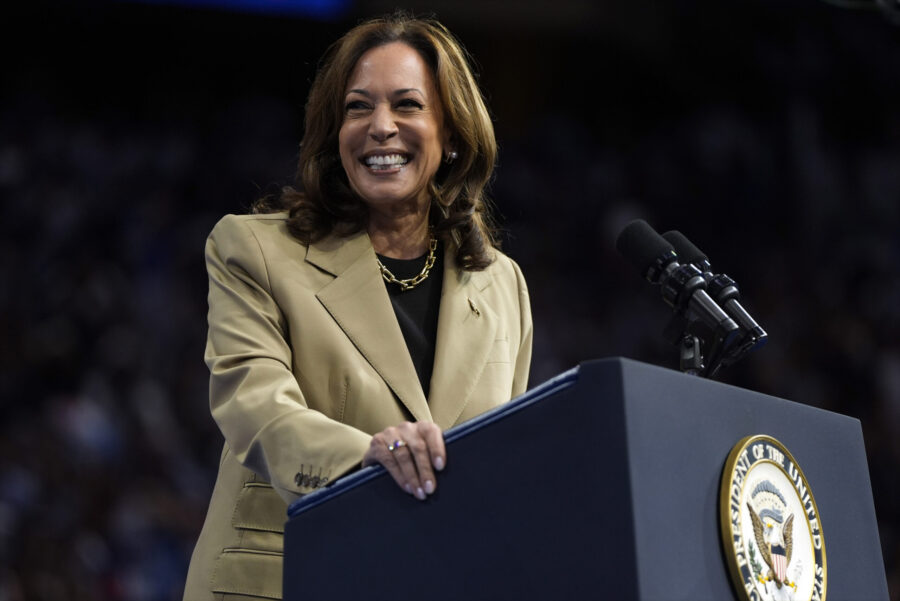
As the election draws near, both the Harris campaign and federal authorities are urging voters to remain vigilant and critical of the information they encounter online. The resurgence of foreign interference in U.S. politics underscores the need for a united front against disinformation to protect the integrity of the electoral process.
With trust in media and social platforms already fragile, the battle against fake news and misleading content will be crucial in shaping the political landscape in the months to come.