Virgin Australia Partners with Google to Launch SabreMosaic Retail Platform
Virgin Australia has been named the launch partner for SabreMosaic, a new retail platform powered by Google Cloud technology. This innovative partnership aims to enhance the airline’s customer experience by leveraging advanced data analytics and artificial intelligence to provide personalized travel solutions.
SabreMosaic is designed to streamline the retail process for airlines, offering a more intuitive booking experience that meets the evolving needs of travelers. With this collaboration, Virgin Australia will harness Google’s capabilities to improve its operational efficiency and offer tailored services, from customized fare options to targeted marketing campaigns.

The platform’s integration is expected to provide a significant boost to Virgin Australia’s digital transformation strategy, enabling the airline to respond swiftly to market changes and passenger preferences. “We are excited to lead the way with SabreMosaic, transforming the way we engage with our customers,” said Virgin Australia CEO, Jayne Hrdlicka.
This partnership not only signifies a major step for Virgin Australia in enhancing its competitive edge but also showcases the growing trend of airlines adopting cutting-edge technology to redefine the travel experience. The launch of SabreMosaic is anticipated to set a new standard in airline retailing.
Cook Government Invests $17.4 Million to Enhance WA Southern Ports Infrastructure
The Cook Government has announced a significant investment of $17.4 million aimed at upgrading critical infrastructure at Western Australia’s Southern Ports. This funding is set to bolster the region’s capacity to handle increased freight demands and enhance operational efficiency across its major ports in Albany, Bunbury, and Esperance.
The investment will focus on essential upgrades, including the expansion of loading facilities, improved access roads, and advanced cargo handling systems. These enhancements are expected to support local industries, promote economic growth, and create job opportunities in the region.

Transport Minister Rita Saffioti emphasized the importance of this investment in strengthening supply chains and ensuring that Southern Ports can meet the needs of a growing economy. “This funding will not only improve infrastructure but also secure the future of our regional ports as key players in Western Australia’s trade,” she stated.
With this initiative, the Cook Government aims to position Southern Ports as vital links in the state’s logistics network, ultimately benefiting local businesses and communities. The upgrades are part of a broader strategy to invest in infrastructure across Western Australia, ensuring sustainable growth and development for years to come.
Labor Government Introduces Bill to Keep NBN in Public Hands
The Labor Government has introduced a new bill aimed at ensuring the National Broadband Network (NBN) remains in public ownership, marking a significant move in telecommunications policy. The proposed legislation seeks to prevent any future privatization of the NBN, reinforcing the government’s commitment to providing reliable and affordable internet access to all Australians.
Communications Minister Michelle Rowland highlighted the importance of the NBN as an essential service that should not be subjected to the whims of the private market. “The NBN is a critical piece of infrastructure that connects our communities, businesses, and schools. Keeping it in public hands ensures that it remains accessible and equitable for all Australians,” she stated.
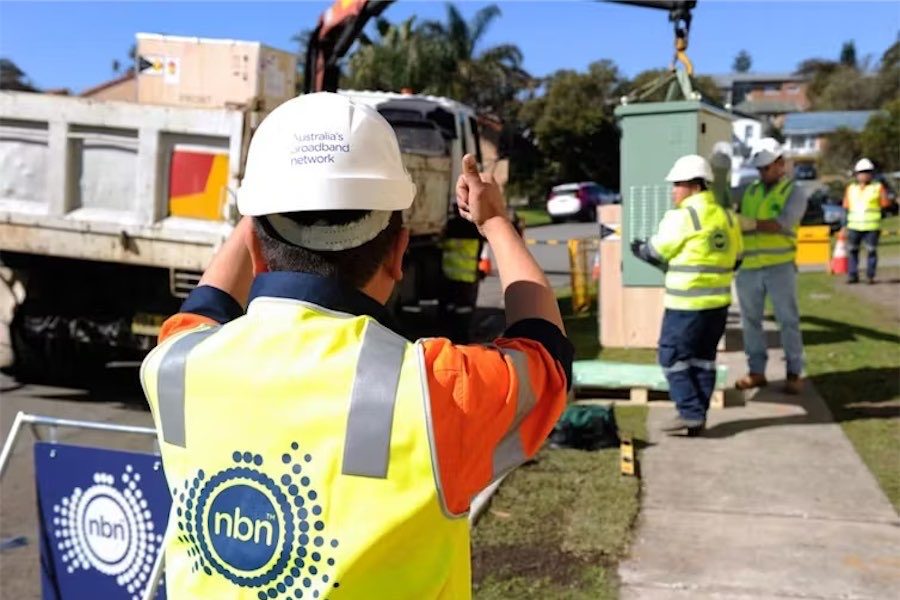
The bill comes in response to growing concerns over the quality of service and affordability of internet plans under private ownership. The government argues that maintaining public control will enhance investment in network improvements and guarantee that profits are reinvested into the system rather than distributed to shareholders.
With bipartisan support expected, the legislation is set to spark a vital discussion about the future of telecommunications in Australia. The Labor Government is determined to position the NBN as a cornerstone of the country’s digital economy and social equity.
Bad News for AMD: Intel Unveils Core Ultra 200 Desktop Processors
Intel has officially launched its new Core Ultra 200 desktop processors, signaling a competitive challenge for AMD in the CPU market. These cutting-edge chips, featuring enhanced performance and efficiency, are designed to cater to gamers, content creators, and professionals seeking robust processing power.
The Core Ultra 200 series boasts significant architectural improvements, including increased core counts and advanced hybrid technology that optimizes performance across various workloads. Intel claims these processors offer up to 20% better performance in gaming and multitasking compared to previous generations, positioning them as a compelling option for consumers looking to upgrade.

Intel’s announcement comes as AMD faces increasing pressure to keep pace with evolving market demands. Analysts suggest that the introduction of the Core Ultra 200 may shift consumer preferences, especially among high-end users.
In a statement, Intel’s Vice President of Client Computing, Laura Gatz, emphasized the importance of innovation in the competitive landscape. “With the Core Ultra 200, we are setting new standards for performance and efficiency in desktop computing,” she stated.
As AMD prepares to respond to this latest development, the battle for dominance in the desktop processor market intensifies, leaving consumers eager for what’s next in CPU technology.
NSW Police Officers Banned from Using Social Media and Encrypted Messaging Apps
The New South Wales Police Force has enacted a ban on officers using social media and encrypted messaging apps while on duty, a move aimed at safeguarding operational integrity and ensuring the confidentiality of police communications. The new directive was issued in response to growing concerns about the potential for sensitive information leaks and the impact of social media on public perceptions of the police.
Commissioner Karen Webb stated that the policy is designed to maintain professionalism and protect both officers and the public. “We must ensure that our communication channels are secure and that our officers are focused on their duties without the distractions of social media,” she explained.

The ban prohibits officers from accessing platforms such as Facebook, Twitter, and WhatsApp during work hours, except for official use authorized by the department. Critics have raised concerns about the potential impact on community engagement, as social media has become a key tool for police outreach.
The NSW Police Force plans to implement training sessions to help officers adapt to the new guidelines and improve their communication strategies. As the ban takes effect, the focus remains on maintaining trust and accountability within the community while ensuring the safety of sensitive information.