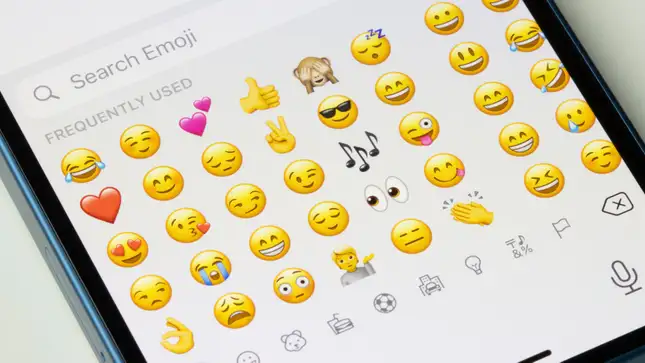
In a groundbreaking decision that could have far-reaching implications for digital communication and contractual agreements, a Canadian court has ruled that the thumbs-up emoji constitutes a legally binding contract agreement. The judgment, delivered by the Ontario Superior Court of Justice, has sparked both excitement and debate among legal experts and technology enthusiasts.
The case in question involved a dispute between two parties over a property rental agreement. The plaintiff had sent a message to the defendant, expressing interest in renting a house. In response, the defendant replied with a thumbs-up emoji, indicating approval. However, the defendant later reneged on the agreement, leading to a legal battle.
The court examined the evidence presented, which included screenshots of the conversation containing the thumbs-up emoji. Justice Karen McCallum, presiding over the case, concluded that the use of the thumbs-up emoji, in the given context, was sufficient to establish a legally binding agreement between the parties.
In her ruling, Justice McCallum emphasized the importance of adapting legal frameworks to keep pace with technological advancements. She stated, “In today’s digital age, where communication increasingly relies on emojis and other visual cues, it is essential for the legal system to recognize their significance in contract formation. The thumbs-up emoji, when used to indicate agreement, carries a clear intention to enter into a contractual relationship.”
The decision has drawn mixed reactions from legal experts. Some applaud the court’s recognition of evolving forms of communication, believing it reflects a pragmatic and modern approach. They argue that as emojis become more prevalent in daily interactions, their legal interpretation must keep up with societal changes.
However, skeptics caution that this ruling may open the floodgates for potential disputes and uncertainty in contractual matters. They argue that emojis, being open to interpretation, lack the precision and clarity traditionally associated with written contracts. Critics also express concerns over the potential for misuse and the difficulty of ascertaining a party’s genuine intent solely through emojis.
The impact of this ruling extends beyond Canada’s borders, as it raises questions about the legal weight of emojis in other jurisdictions. Different countries have varying approaches to interpreting contracts and incorporating digital communication into legal proceedings. As a result, legal scholars and policymakers worldwide will be closely monitoring the implications of this decision.
Experts suggest that the case could prompt individuals and businesses to exercise caution when using emojis in casual or professional communications. They recommend employing clear and unambiguous language in contractual agreements to avoid any potential confusion or misinterpretation.
While this landmark ruling sets a precedent in Canada, it is likely to inspire further examination and discussion on the legal recognition of emojis in other legal systems. As technology continues to shape the way we communicate, it becomes imperative for lawmakers to establish guidelines and standards that adapt to the evolving digital landscape.
As the legal community grapples with this groundbreaking judgment, it remains to be seen how courts in other countries will interpret emojis in the context of contractual agreements. One thing is certain: the humble thumbs-up emoji has gained newfound legal significance, forever changing the way we understand and navigate the complexities of modern communication and contract law.