In a groundbreaking development, scientists have successfully created real diamonds in the laboratory in as little as 15 minutes. This major advancement in synthetic diamond technology promises to revolutionize industries ranging from jewelry to electronics and even medicine, where diamonds are prized for their hardness, thermal conductivity, and electrical properties.
For decades, scientists have been able to create diamonds in the lab using methods like High Pressure High Temperature (HPHT) and Chemical Vapor Deposition (CVD). These processes simulate the conditions deep inside the Earth, where natural diamonds form over millions of years. However, the latest innovation allows for the rapid creation of diamonds, making them more accessible and affordable than ever before.
The breakthrough, developed by researchers at a leading materials science lab, uses a novel technique that significantly accelerates the diamond growth process. By applying a combination of extreme pressure, temperature, and a carefully controlled mix of carbon sources, scientists can now induce the formation of a diamond crystal lattice in a fraction of the time it previously took.

Lead scientist Dr. Elena Smith explained, “We’ve been able to push the boundaries of diamond synthesis by optimizing both the pressure and temperature conditions, as well as introducing a unique catalyst. This drastically shortens the growth period, from months to minutes, while still producing diamonds that are structurally identical to those formed in nature.”
The new method is not only faster but also more energy-efficient, reducing the environmental footprint typically associated with synthetic diamond production.
The ability to create real diamonds in such a short amount of time could have far-reaching implications for numerous industries. The jewelry sector, which has long been the largest market for diamonds, stands to benefit significantly. With the demand for ethically sourced diamonds rising, lab-grown alternatives have already gained traction as a sustainable and conflict-free option. This new technology could further drive down costs, making diamonds more accessible to consumers and ensuring that they can be produced with minimal environmental impact.
In the electronics industry, diamonds are highly valued for their exceptional thermal conductivity and electrical insulating properties. They are already used in high-performance devices such as semiconductor chips and radiation detectors. With faster and cheaper production, lab-grown diamonds could become more common in a wider range of applications, including quantum computing and advanced medical imaging.
While the innovation holds promise, it also raises new questions about the future of natural diamond mining. The traditional diamond industry, which is worth billions of dollars, could face increased competition from lab-grown diamonds. However, proponents argue that the new technology offers an opportunity for the diamond market to align with growing consumer demand for ethical and sustainable products.
Unlike mined diamonds, which can have significant environmental and social impacts, lab-grown diamonds are free from the concerns related to mining practices, such as habitat destruction, water pollution, and human rights violations. The speed and efficiency of the new process could further reduce the ecological footprint of diamond production.
A Future of Diamonds in the Lab
As the technology continues to evolve, experts anticipate that diamonds could soon become as commonplace as other industrial materials. From being a symbol of luxury and status to becoming a critical component in cutting-edge technologies, diamonds are on the verge of a major transformation.
With this new lab-grown diamond process, scientists have opened up new possibilities for the creation and use of diamonds, offering a glimpse of a future where these precious stones are not only beautiful but also more sustainable and accessible than ever before.
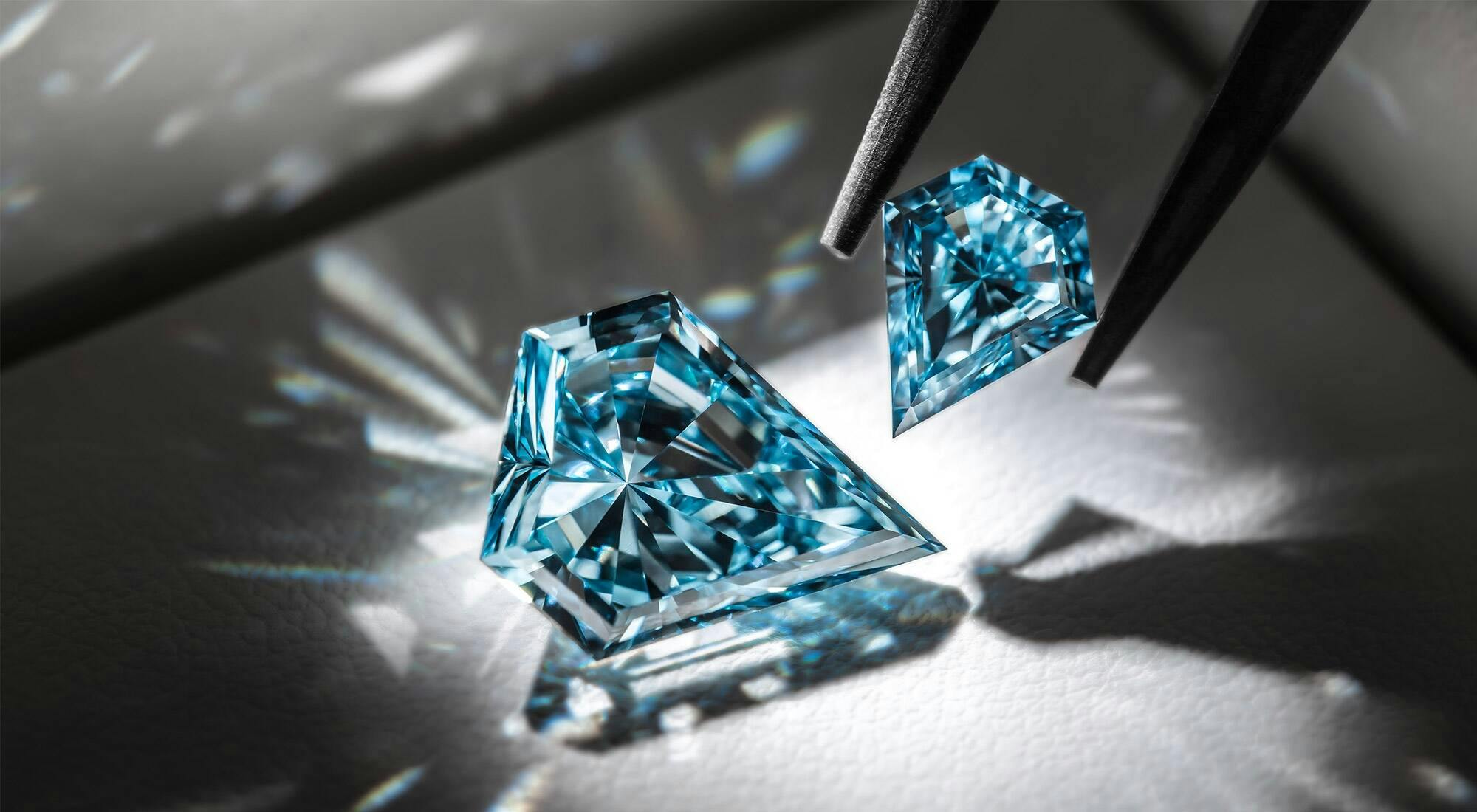
For now, the research team is focused on scaling up the process for commercial production and fine-tuning the quality control measures to ensure that these diamonds meet the stringent standards required for various industries.
“We are incredibly excited about the potential of this discovery,” Dr. Smith concluded. “This breakthrough represents just the beginning of what could be a new era for diamond technology. The possibilities are endless.”