In a bombshell statement, a former director of Meta has accused CEO Mark Zuckerberg of working “hand in glove” with Beijing to develop a censorship tool aimed at suppressing content in China. The allegations, which have sent shockwaves through both the tech industry and political circles, claim that Zuckerberg and other top Meta executives willingly collaborated with the Chinese government to comply with its stringent content control policies, allowing Facebook’s parent company to maintain access to the lucrative Chinese market.
The claims were made by Frances Liu, who served as a senior director at Meta overseeing international relations, during an exclusive interview with The New York Times. Liu, who worked at Meta for over a decade, said she was directly involved in high-level discussions with Zuckerberg and other executives about how to adapt the platform for Chinese users, including developing tools to censor posts related to sensitive topics such as human rights, Taiwan, and the 1989 Tiananmen Square massacre.
“I witnessed firsthand how Meta was willing to compromise its values in order to appease Beijing,” Liu said in the interview. “Mark Zuckerberg personally pushed for these measures, seeing them as essential to keeping the company in China. It was clear to me that the business imperative had overridden any concerns about freedom of speech or the platform’s integrity.”
According to Liu, the censorship tool was designed to filter out politically sensitive content from the news feeds of Chinese users, a practice that many critics argue compromises the basic principles of free expression. She further claimed that Meta executives were aware of the potential consequences of their actions but chose to proceed with the plan for the sake of securing access to the massive Chinese market, one of the largest in the world for social media.
The allegations have raised alarms among lawmakers, human rights advocates, and tech industry watchdogs, many of whom are now calling for investigations into Meta’s practices. Some are calling for Zuckerberg to be held accountable for allegedly enabling censorship, while others are questioning whether the company’s pursuit of profits has compromised its commitment to global freedom of speech standards.

“It’s disturbing to think that one of the world’s largest tech companies might have actively participated in authoritarian censorship at the behest of a government that has been notorious for its human rights abuses,” said Senator Emily Roberts (D-CA). “If these accusations are true, it raises serious concerns about how much power tech companies are willing to yield to authoritarian regimes.”
Meta, which is already facing increased scrutiny over its data privacy practices and regulatory challenges worldwide, has denied the allegations. In a statement issued shortly after Liu’s interview was published, the company insisted that it complied with local laws and regulations in each country where it operates, including China, and that any actions taken to censor content were made in accordance with those laws.
“We have always maintained that we adhere to the laws and regulations of the countries in which we operate, including China,” a Meta spokesperson said. “We also remain committed to upholding the principles of free expression and protecting user privacy globally. Any suggestion that we worked ‘hand in glove’ with the Chinese government to develop censorship tools is categorically false.”
Zuckerberg himself has not yet publicly commented on the allegations, but sources close to the CEO have described the accusations as “unfounded” and “a distortion of reality.”
The revelation about Meta’s alleged collaboration with Beijing is not the first time the company has faced accusations of compromising its values for the sake of business interests. Zuckerberg has previously faced criticism for his company’s handling of disinformation, privacy violations, and the influence of foreign governments on the platform.
However, the new claims regarding China could prove to be particularly damaging, as they could fuel existing concerns about the influence of authoritarian regimes on global tech companies and how those companies shape the flow of information across borders.
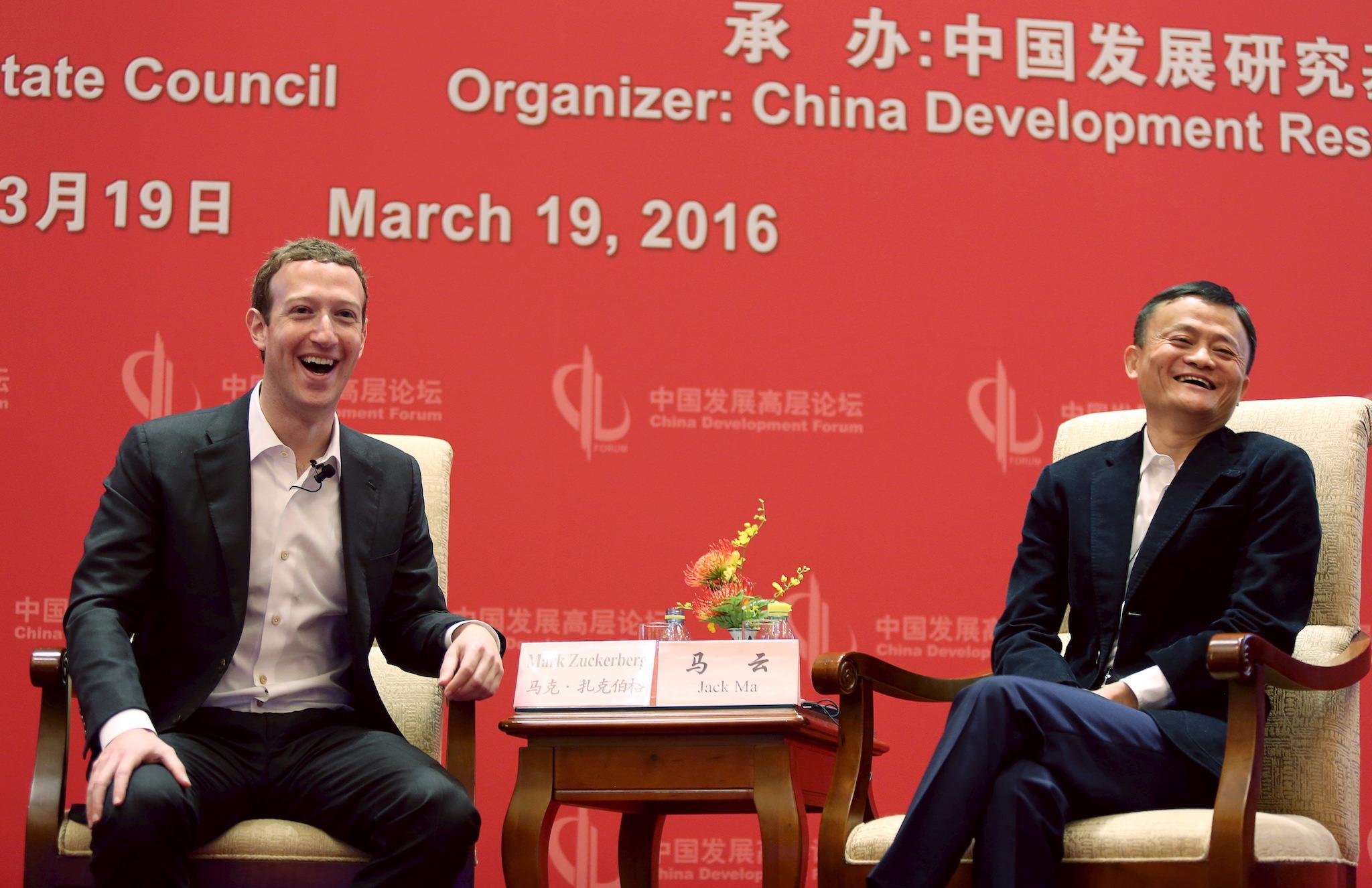
Human rights groups have condemned the alleged actions, with organizations like Amnesty International and Human Rights Watch calling on global regulators to investigate Meta’s operations and hold it accountable for any role it may have played in furthering censorship in China.
As pressure mounts on Meta and Zuckerberg to address the growing controversy, the company faces a critical juncture in its efforts to balance business interests with its broader responsibility to protect free speech and uphold democratic values.