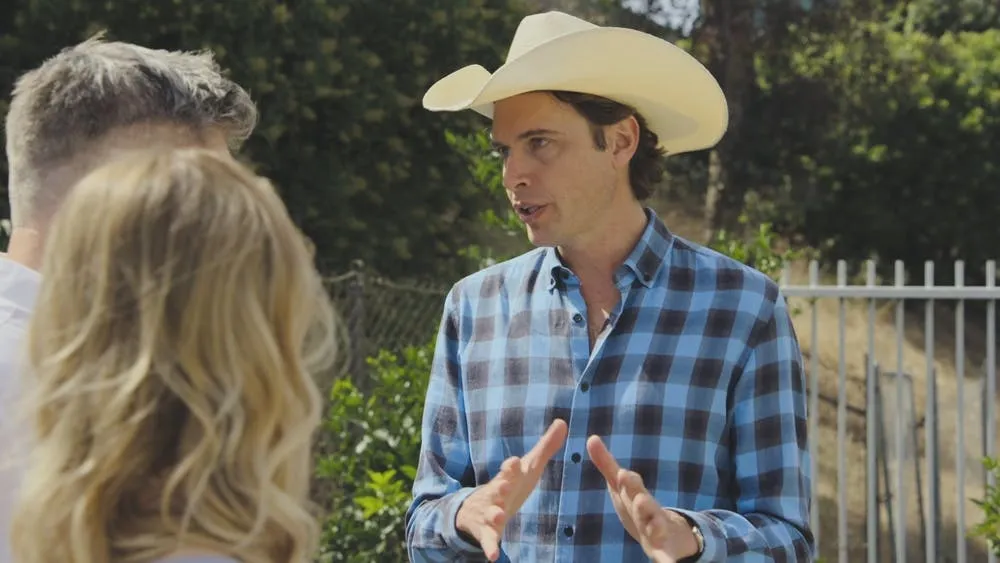
In a surprising turn of events, Kimbal Musk, entrepreneur and brother of Tesla CEO Elon Musk, has made the difficult decision to close down the majority of the locations of his ambitious farming startup. The move comes as a setback for the company’s efforts to revolutionize the farming industry and promote sustainable agricultural practices.
Kimbal Musk’s farming startup, known for its innovative approach to urban farming and sustainable food production, had garnered considerable attention and investment in recent years. The company had opened multiple locations across various cities, aiming to bring fresh, locally sourced produce to urban communities while promoting environmental consciousness.
However, according to a statement released by Kimbal Musk, the decision to shutter most of the startup’s locations was driven by a combination of factors, including financial challenges, operational complexities, and unforeseen logistical hurdles. The move has left many employees and supporters disappointed, given the startup’s initial promise and its commitment to transforming the food system.
In his statement, Musk expressed deep gratitude to the team and investors who had supported the venture but acknowledged that the realities of the farming industry proved more daunting than anticipated. He emphasized that the closure of the majority of locations does not mark the end of his commitment to sustainability and the pursuit of innovative solutions in the food sector.
The remaining locations of the farming startup will continue to operate, with a renewed focus on refining the model and making it financially sustainable. Kimbal Musk assured stakeholders that these remaining sites would continue to uphold the company’s mission of promoting local, fresh, and healthy food options for communities.

While the decision to scale back operations was undoubtedly a difficult one, it reflects the challenging nature of disrupting traditional agricultural practices. The farming industry is heavily dependent on factors beyond a company’s control, such as weather patterns, crop yields, and supply chain dynamics. Innovations in this space often face numerous obstacles before reaching widespread adoption and profitability.
Kimbal Musk’s efforts to promote sustainability in the food industry have been praised by environmentalists and sustainable food advocates. Despite this setback, there remains hope that lessons learned from this venture will contribute to future advancements in urban farming and sustainable agriculture.
The closure of the majority of the farming startup’s locations also serves as a reminder of the risks and uncertainties that accompany entrepreneurship and innovation. While entrepreneurs like Kimbal Musk may face setbacks, their willingness to take risks and push boundaries remains an essential driving force behind progress in various industries.
As the farming startup reevaluates its strategy and goals, the broader movement towards sustainable food systems continues to gain momentum. Many remain optimistic that the experience gained from this endeavor will contribute to the development of more resilient and scalable solutions in the future, furthering the mission to create a more sustainable and food-secure world.