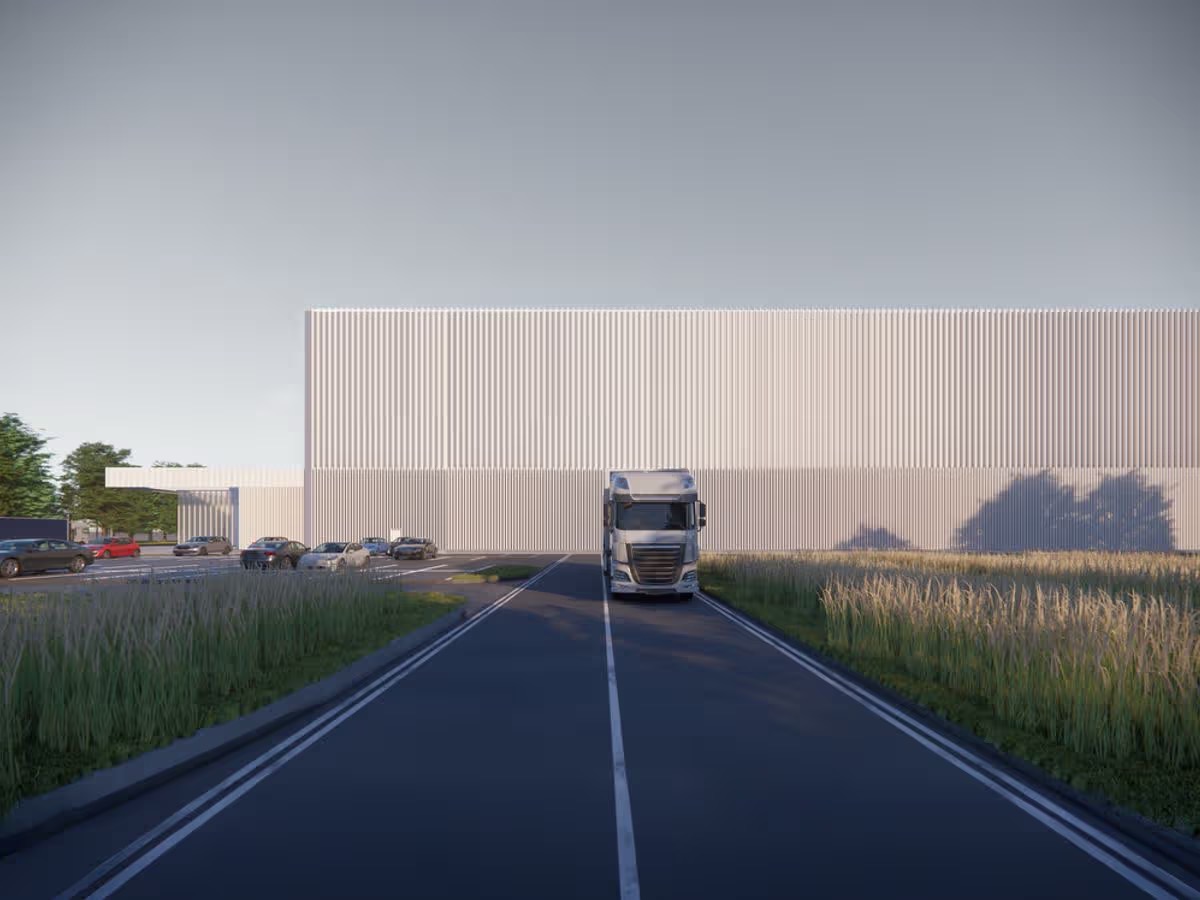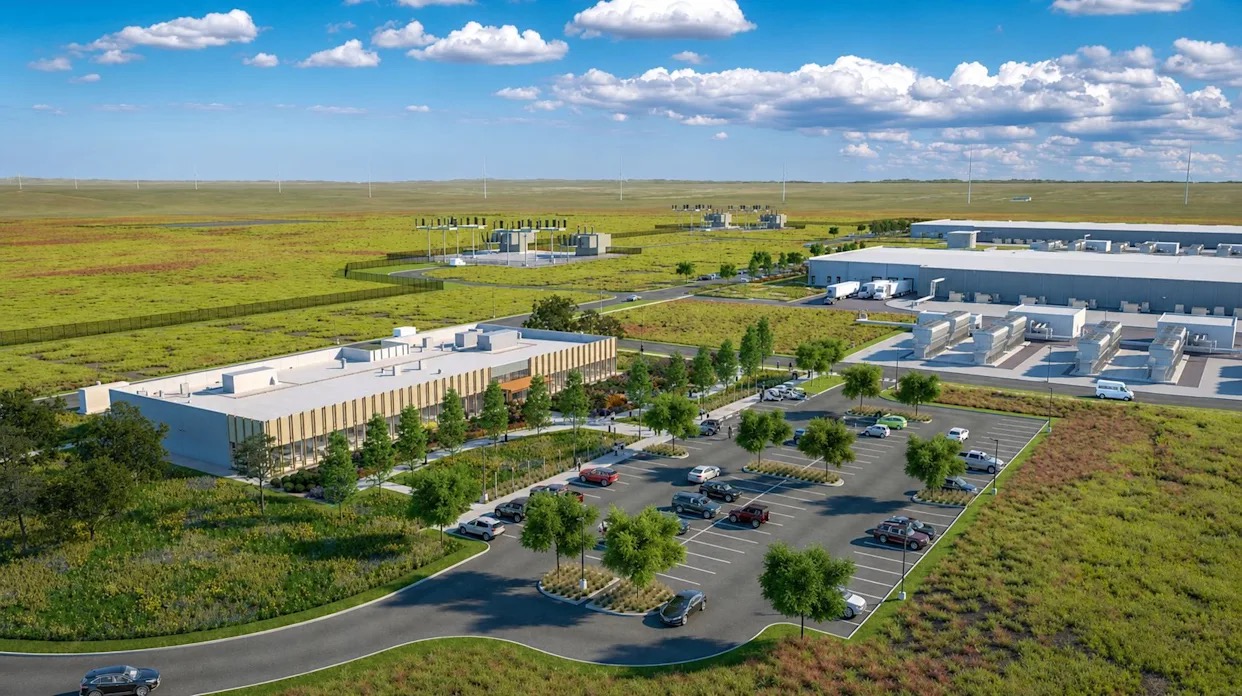
A Meta-operated artificial intelligence (AI) data center has come under investigation following the discovery of Legionella bacteria in a nearby water supply, raising concerns about public health and the environmental impact of large-scale AI infrastructure. Authorities are working to determine whether the contamination is linked to the facility’s cooling systems or originated from another source, as officials emphasize that the investigation remains ongoing and no definitive conclusions have been reached.
The contamination was identified during routine environmental monitoring, prompting local authorities to launch a comprehensive inquiry into several industrial and municipal water systems in the surrounding area. Among the facilities being examined is Meta’s AI data center, which uses extensive cooling infrastructure to regulate the temperature of thousands of servers and high-performance processors that power the company’s expanding artificial intelligence operations.
Legionella bacteria naturally occur in freshwater environments but can become dangerous when they multiply in human-made water systems such as cooling towers, air-conditioning units, plumbing networks, and storage tanks. The bacteria spread through tiny water droplets that people may inhale. Exposure can lead to Legionnaires’ disease, a severe form of pneumonia that primarily affects older adults, individuals with weakened immune systems, smokers, and people with underlying respiratory conditions.
Health officials have stated that the presence of Legionella in a water system does not automatically indicate that a particular facility is responsible for the contamination. Environmental investigators are conducting water sampling, laboratory testing, and inspections of multiple locations to identify the exact source of the bacteria before assigning responsibility.
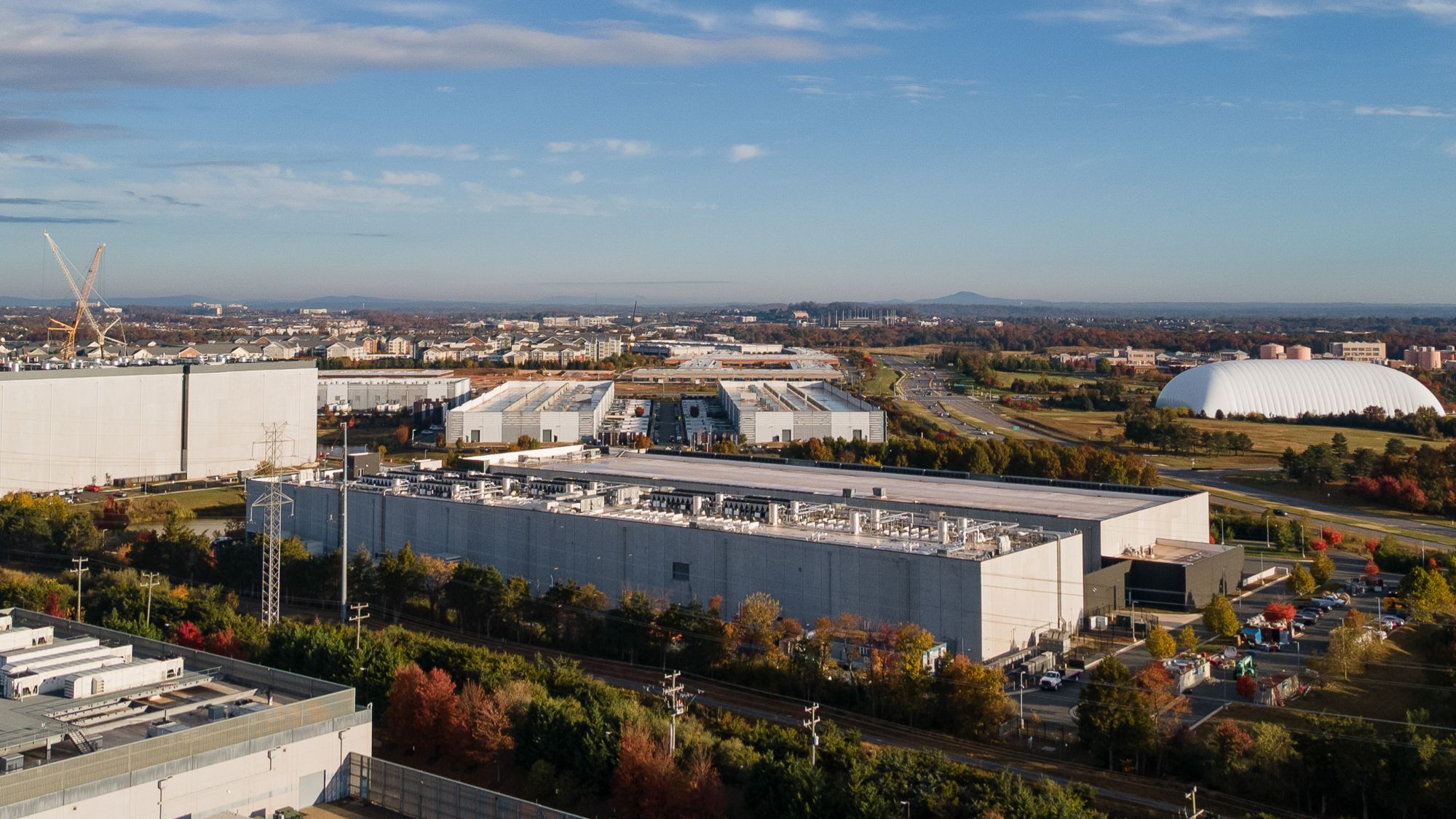
Meta has confirmed that it is cooperating fully with authorities and has initiated an internal review of its water management and cooling systems. The company has stated that it follows established industry standards for cooling tower maintenance, water treatment, and environmental safety. Company representatives have also said they will continue assisting investigators throughout the inquiry and implement any additional recommendations made by regulators.
The investigation has attracted widespread attention because of the rapid expansion of AI data centers around the world. As companies race to develop more powerful artificial intelligence models, demand for advanced computing infrastructure has increased dramatically. These facilities require enormous computing power, generating substantial heat that must be managed continuously through sophisticated cooling systems.
Many modern data centers rely on water-based cooling technologies to maintain safe operating temperatures. While these systems are highly effective at reducing energy consumption compared to some alternatives, they also require careful maintenance to prevent bacterial growth. Cooling towers, in particular, have historically been associated with outbreaks of Legionnaires’ disease when proper water treatment and sanitation procedures are not consistently maintained.
Environmental experts note that cooling systems are only one of several potential sources of Legionella contamination. Municipal plumbing networks, hotels, hospitals, office buildings, fountains, and industrial facilities can also provide conditions that allow the bacteria to grow if water temperatures and maintenance practices are not adequately controlled. As a result, identifying the precise origin of contamination often requires weeks of scientific testing and comparison of bacterial samples collected from multiple locations.
Local health authorities have taken precautionary measures while the investigation continues. Water systems are being monitored more frequently, and additional disinfection procedures have been implemented where necessary. Medical professionals in the affected region have also been advised to remain alert for patients displaying symptoms consistent with Legionnaires’ disease, including high fever, cough, shortness of breath, muscle aches, and fatigue.
Officials have reassured residents that the investigation is intended to identify and eliminate any potential health risks as quickly as possible. They have also stressed that people should not assume the contamination originated from any single facility until laboratory testing has been completed and investigators have reached evidence-based conclusions.
The incident has renewed debate over the environmental footprint of AI infrastructure. In recent years, technology companies including Meta, Microsoft, Google, Amazon, and others have invested billions of dollars in constructing massive AI data centers to support increasingly sophisticated machine learning models. These facilities consume significant amounts of electricity and water, prompting questions from communities and environmental organizations about long-term sustainability.
Water consumption has become one of the most closely watched aspects of AI infrastructure because cooling systems operate continuously to prevent overheating. Some newer facilities are adopting advanced cooling methods, including closed-loop systems and liquid cooling technologies, that reduce overall water use and improve efficiency. However, experts say regular inspection, water treatment, and strict maintenance remain essential regardless of the cooling technology employed.
The current investigation may also encourage regulators to strengthen oversight of industrial cooling systems and establish more rigorous reporting requirements for facilities with high water usage. Public health specialists have long recommended regular testing for Legionella in cooling towers and large plumbing systems to minimize the risk of bacterial outbreaks.
For Meta, the investigation comes at a time when the company is rapidly expanding its AI capabilities through new data centers and increased investment in computing infrastructure. The company has made artificial intelligence a central focus of its long-term strategy, requiring substantial growth in server capacity and supporting facilities worldwide.
Industry analysts believe the case could influence how future AI campuses are designed and operated. Greater emphasis may be placed on water-efficient technologies, automated monitoring systems, and enhanced environmental safeguards to address community concerns while supporting continued growth in AI computing capacity.
As laboratory analysis and environmental inspections continue, authorities remain focused on determining the source of the Legionella contamination through scientific evidence rather than speculation. Until the investigation is completed, officials have urged the public to rely on verified updates and continue following any health guidance issued by local agencies.
The findings are expected to shape future policies governing industrial water systems and may serve as an important case study for balancing the rapid expansion of AI infrastructure with public health protection and environmental responsibility. Whether or not the Meta data center is ultimately identified as the source, the incident underscores the importance of rigorous maintenance, transparent oversight, and proactive environmental management as artificial intelligence continues to transform the global technology landscape.