Sony’s long-anticipated entry into the electric vehicle market, developed in partnership with Honda, is set to blur the line between mobility and digital entertainment. The companies have revealed that their first production electric car will allow users to remotely play PlayStation 5 games from inside the vehicle, marking a significant step in transforming cars into immersive, connected living spaces rather than mere modes of transport.
The vehicle, developed under the Sony Honda Mobility joint venture, represents a convergence of Honda’s engineering expertise and Sony’s dominance in consumer electronics and gaming. At the heart of this collaboration is the idea that the modern car should function as an extension of a user’s digital ecosystem. With PlayStation Remote Play integration built directly into the vehicle’s infotainment system, owners will be able to stream games from their PS5 or PS4 consoles at home to the car’s display while it is parked.
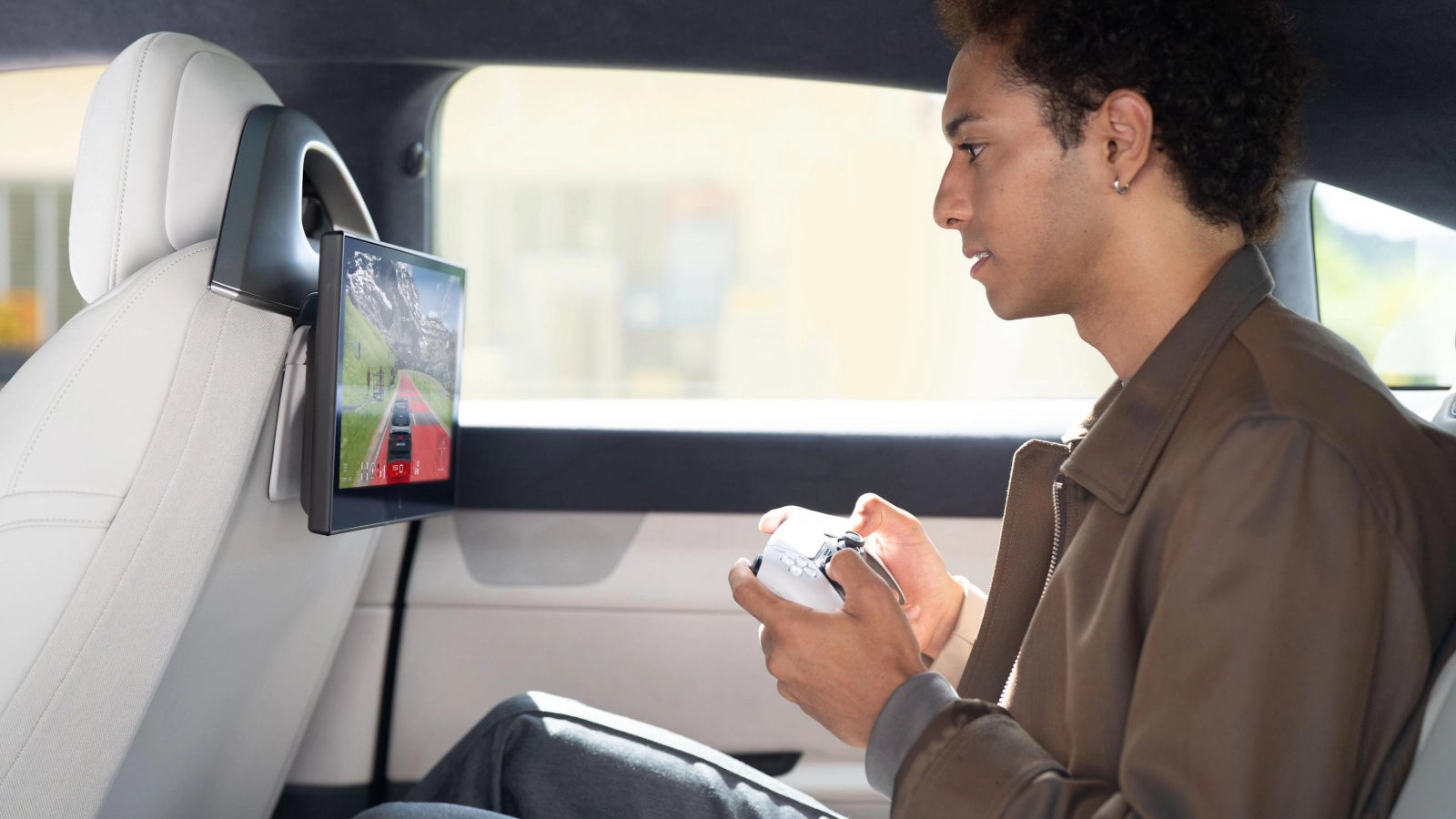
Rather than installing a full gaming console inside the vehicle, Sony has opted for cloud-based and remote streaming technology. Using a stable internet connection, the system mirrors gameplay from the user’s home console in real time, allowing players to continue their progress seamlessly. Drivers and passengers can connect a DualSense controller and resume gameplay exactly where they left off, whether during charging stops, long waits, or downtime between journeys.
This feature is designed with safety in mind. Gameplay is strictly limited to when the vehicle is stationary, ensuring that driving remains the sole focus while on the road. The gaming experience is intended primarily for passengers or for drivers during breaks, reflecting a broader industry trend where electric vehicles double as entertainment hubs during charging sessions that can last anywhere from 20 minutes to over an hour.
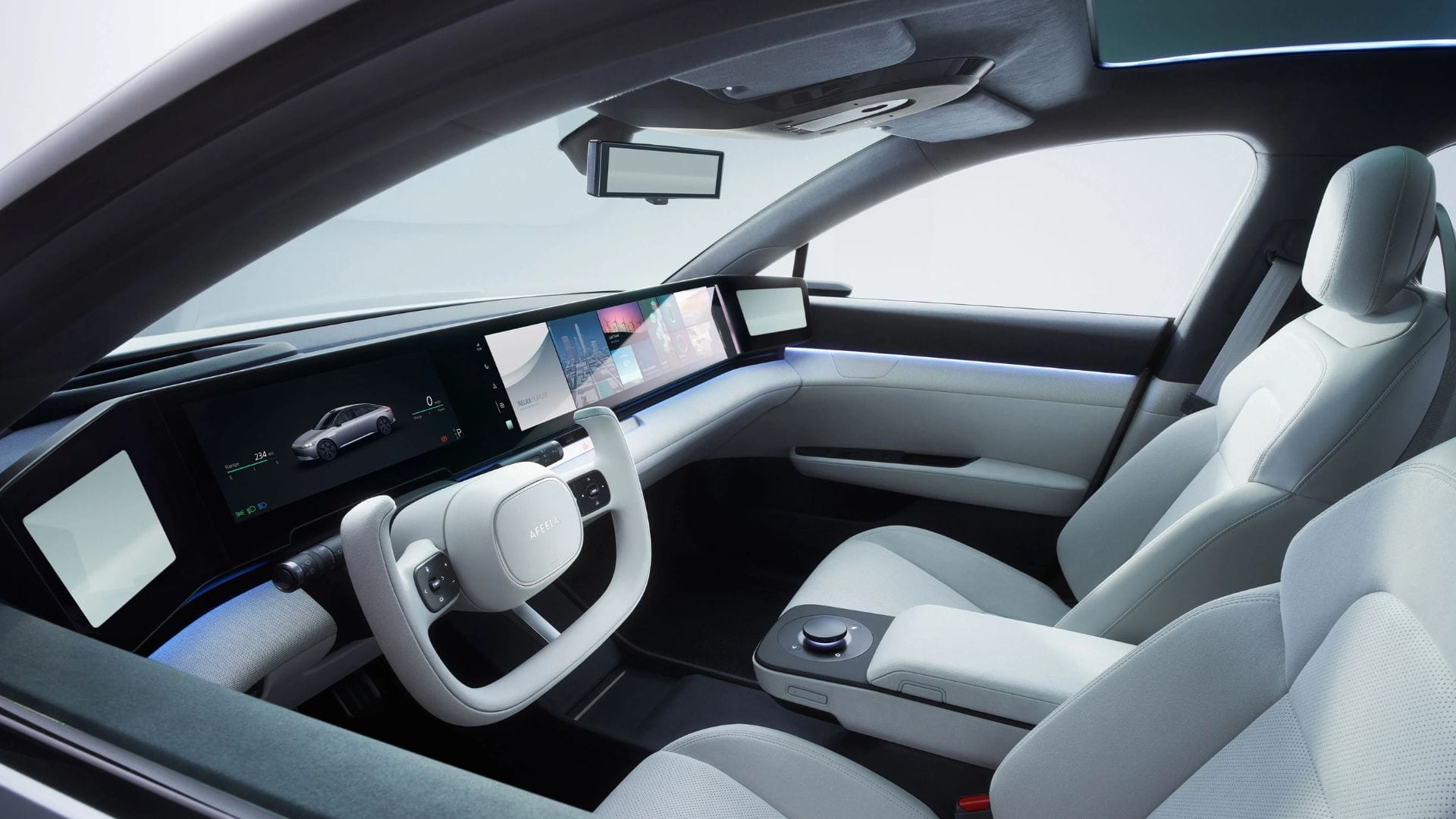
The inclusion of PlayStation gaming highlights Sony Honda Mobility’s ambition to redefine the in-car experience. Large, high-resolution screens span the dashboard, supported by advanced audio systems developed using Sony’s expertise in sound engineering. Combined with gaming, movies, music streaming, and interactive content, the vehicle positions itself as a digital lounge on wheels rather than a traditional automobile interior.
This approach also reflects the changing nature of mobility in the electric age. As autonomous driving technologies and driver-assistance systems continue to improve, automakers are increasingly focused on what occupants will do with their time inside the vehicle. Entertainment, productivity, and connectivity are becoming central selling points, particularly for tech-savvy consumers and younger buyers who expect seamless integration between their devices, homes, and vehicles.
For Sony, the move represents a natural extension of its entertainment empire. The company has long dominated the gaming industry through PlayStation while also holding strong positions in music, film, sensors, and imaging technology. Bringing PlayStation into the car allows Sony to leverage its content ecosystem in a new environment, reinforcing brand loyalty while opening potential new revenue streams through subscriptions, digital services, and future in-car experiences.
Honda, meanwhile, benefits from Sony’s software and user-experience expertise as it navigates the rapidly evolving EV landscape. Traditional automakers are under pressure not only to electrify their lineups but also to compete with tech-driven newcomers that emphasize software, displays, and digital services. By partnering with Sony, Honda gains access to cutting-edge infotainment innovation without having to build the entire ecosystem from scratch.
The first Sony-Honda electric vehicle is expected to launch initially in select markets, with early availability focused on North America. Positioned as a premium EV, it is likely to compete with high-end electric sedans and crossovers that already emphasize technology and comfort. While pricing details have yet to be fully disclosed, the car is expected to target consumers who value advanced digital features as much as performance or range.
Industry analysts see the gaming integration as symbolic of a broader shift in how cars are marketed and experienced. Vehicles are no longer defined solely by horsepower, handling, or fuel efficiency. Instead, software updates, entertainment options, and digital personalization are becoming equally important. The ability to play PS5 games in a car may not be essential for every buyer, but it serves as a powerful statement about what future vehicles can offer.
As electric vehicles become more common and charging infrastructure improves, the time spent inside parked cars is increasing. Sony and Honda appear to be betting that drivers and passengers will want meaningful ways to use that time, whether through gaming, watching films, or engaging with interactive content. By bringing PlayStation into the vehicle, the companies are signaling that the car of the future is not just electric, but deeply connected, personalized, and entertainment-driven.
With its first EV, Sony is not simply entering the automotive market—it is redefining what a car can be in the digital age.