Nvidia has halted its previously discussed plan to invest up to $100 billion in artificial intelligence company OpenAI, according to a report by The Wall Street Journal, signaling a significant shift in what would have been one of the largest strategic investments in the history of the AI sector. The reported pause underscores growing caution among major technology firms as they weigh the financial, operational, and competitive implications of large-scale AI partnerships.
The proposed investment, first discussed last year, was framed as part of a broader collaboration between Nvidia and OpenAI aimed at expanding global AI infrastructure, including advanced data centers and high-performance computing clusters. The scale of the plan drew widespread attention across the technology and financial markets, as it would have represented an unprecedented capital commitment by a semiconductor company into a single AI developer.
According to the report, the plan has now stalled following internal reviews and ongoing negotiations over structure, scope, and long-term strategic alignment. The original proposal was reportedly based on a non-binding framework rather than a finalized agreement, allowing both sides flexibility to reassess terms as market conditions evolved. People familiar with the discussions indicated that Nvidia executives have recently taken a more measured approach to the size and pace of the potential investment.
Nvidia remains one of the most critical hardware suppliers to the AI industry, producing the high-end graphics processing units (GPUs) that power most large-scale AI model training and inference. OpenAI, like many leading AI developers, relies heavily on Nvidia chips for its computing needs. Because of this deep technological interdependence, the relationship between the two companies extends well beyond any single investment deal.
Industry analysts say Nvidia’s reassessment likely reflects multiple converging factors. The cost of building and operating AI infrastructure has surged as models grow more complex and compute-intensive. At the same time, competition among AI labs has intensified, with several well-funded players racing to develop next-generation systems. Committing $100 billion to one partner could limit Nvidia’s flexibility in supporting a broader ecosystem of customers and collaborators.
Market dynamics may also have played a role. AI valuations have risen sharply, and some investors have begun questioning whether revenue growth across the sector will keep pace with infrastructure spending. By slowing or restructuring the proposed investment, Nvidia may be seeking to reduce concentration risk while preserving strategic optionality.
Despite the reported halt, Nvidia leadership has publicly emphasized that its partnership with OpenAI remains strong. Company executives have pushed back on suggestions of tension between the firms, describing their collaboration as ongoing and productive. Nvidia is still expected to participate in OpenAI-related financing in some capacity, though likely at a lower level than originally discussed. Instead of a single massive commitment, the investment could take the form of smaller staged contributions tied to infrastructure projects and compute deployments.
OpenAI, meanwhile, continues to pursue large-scale funding to support its expansion plans. The company has been seeking substantial new capital to finance data centers, specialized chips, and global platform growth. Training frontier AI models requires enormous computing resources and energy capacity, pushing development costs into the tens of billions of dollars annually. Securing diversified funding sources has become a strategic priority for major AI labs seeking to maintain technological leadership.
The reported pause in Nvidia’s megadeal does not appear to affect existing commercial arrangements between the companies. Nvidia is expected to remain a primary chip supplier for OpenAI workloads, and joint technical initiatives are continuing. However, the shift suggests that future collaborations may be structured more around supply agreements and targeted co-investments rather than headline-grabbing lump-sum equity stakes.
Investors reacted cautiously to the news, with analysts offering mixed interpretations. Some view the development as prudent financial discipline by Nvidia, arguing that spreading capital across multiple AI ventures reduces risk and supports broader ecosystem growth. Others see it as a sign that even the most enthusiastic AI backers are becoming more selective as project sizes escalate.
The episode also highlights a broader transition underway in the AI industry. Early phases of the current AI boom were driven by rapid experimentation and aggressive scaling. The next phase appears increasingly focused on infrastructure economics, capital efficiency, and long-term sustainability. Companies are under growing pressure to demonstrate not just technical breakthroughs but also viable paths to return on investment.
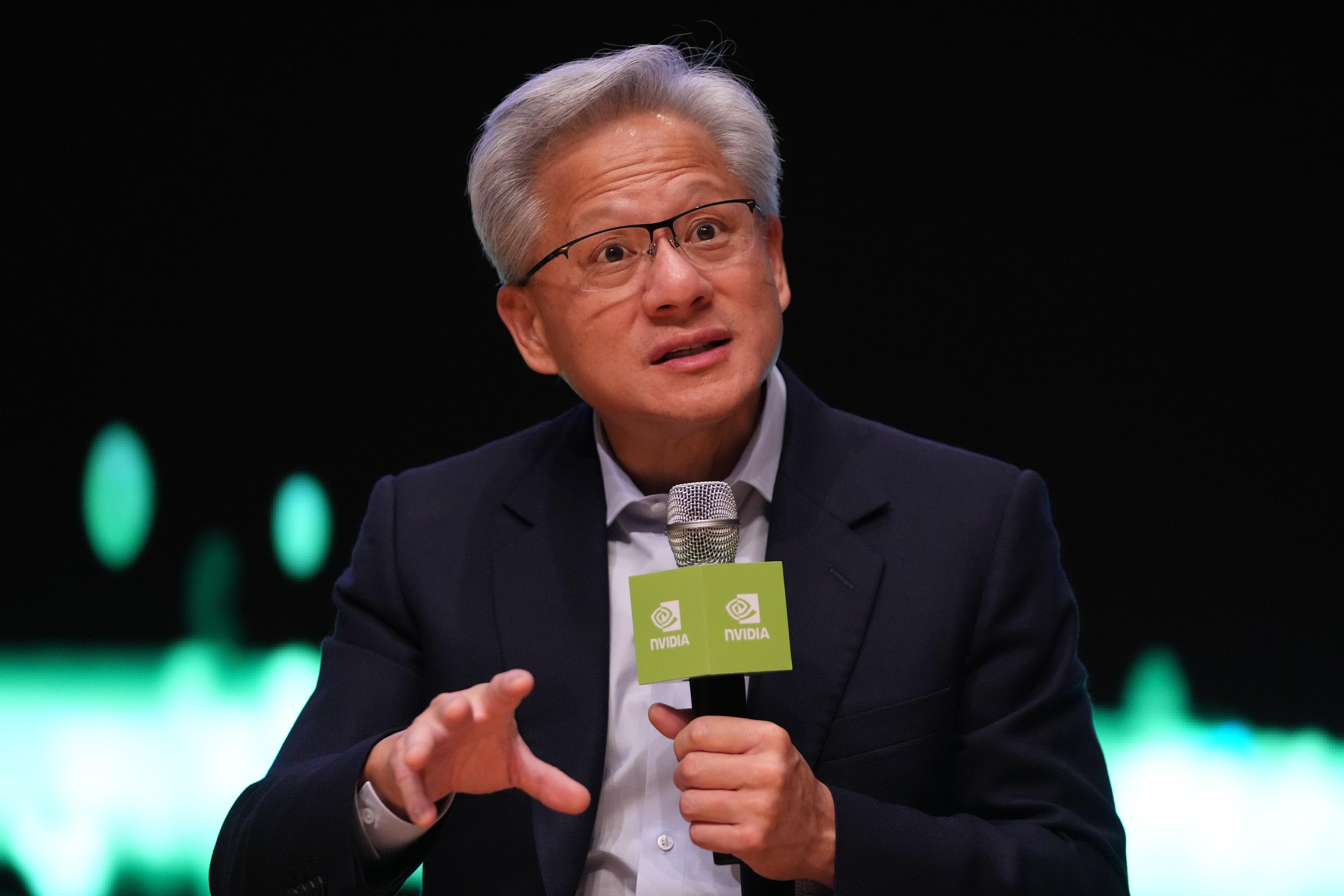
For Nvidia, whose revenues have surged alongside AI demand, maintaining neutrality as a platform provider to many AI developers has strategic advantages. A more limited direct stake in any single lab helps preserve its role as the industry’s central hardware partner. For OpenAI, diversifying its investor base may offer greater financial resilience and negotiating leverage.
While the $100 billion figure may no longer define the partnership, both companies are still expected to play central roles in shaping the next generation of AI systems. Observers say the recalibration of the deal is less a retreat from AI ambition and more a sign that the sector is entering a more structured and financially disciplined stage of growth.