


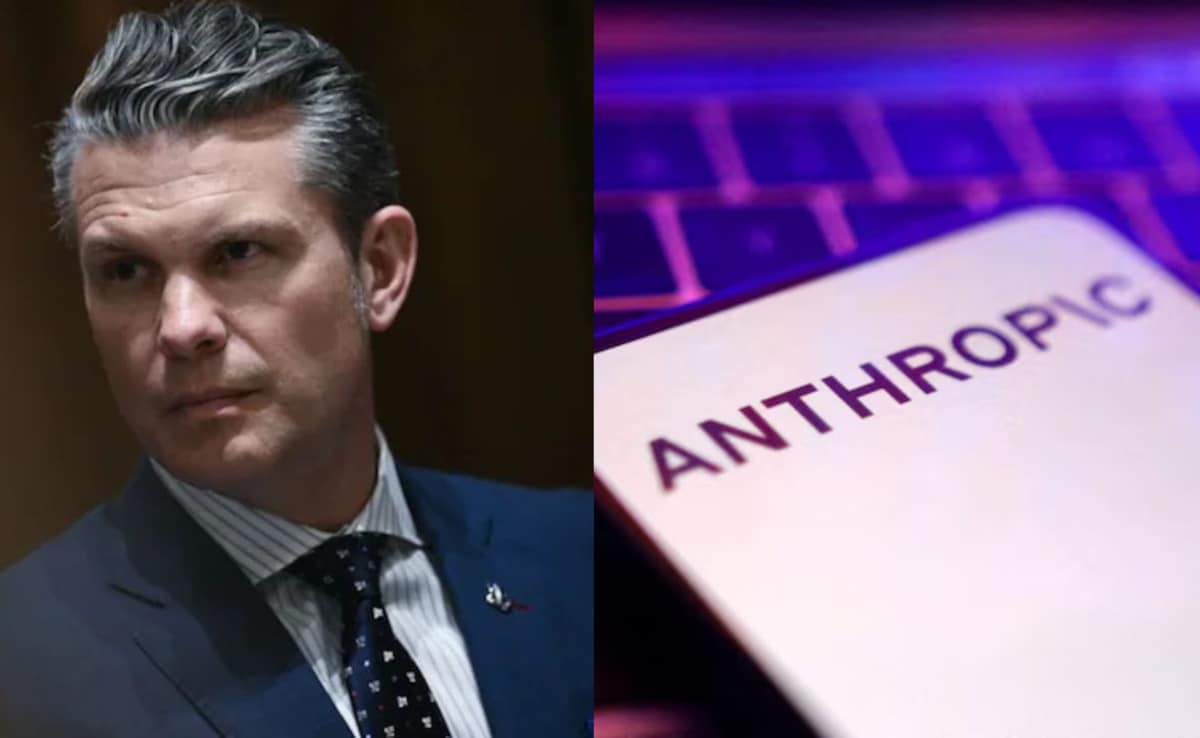
A growing disagreement between the United States military and artificial intelligence developer Anthropic has escalated after the United States Department of Defense summoned the company’s chief executive for high-level discussions in Washington over proposed limits on the military use of advanced A.I. systems.
The dispute has emerged during negotiations surrounding a potential defense contract that could integrate cutting-edge artificial intelligence tools into U.S. national security operations. At issue is Anthropic’s demand that strict operational safeguards be included before its technology can be deployed within defense environments.
Clash Over Guardrails
According to officials familiar with the matter, Anthropic has insisted that legally enforceable “guardrails” be embedded into any agreement governing the Pentagon’s use of its A.I. models. These safeguards are intended to ensure that the technology cannot be directly applied to autonomous weapons systems, battlefield targeting decisions, or lethal operations without meaningful human oversight.
The Pentagon, however, is reportedly concerned that overly restrictive limitations could reduce the usefulness of A.I. systems designed to assist military planners, intelligence analysts, and cybersecurity teams. Defense leaders argue that artificial intelligence is becoming essential to modern warfare and strategic decision-making, particularly as rival nations accelerate their own military A.I. programs.
The disagreement prompted senior defense officials to request a direct meeting with Anthropic’s leadership in an effort to resolve differences before negotiations proceed further.
A New Era of Military Technology
Artificial intelligence has rapidly become one of the most contested technological frontiers in global security. Governments increasingly rely on private technology companies to develop advanced software capable of analyzing vast quantities of data, detecting threats, and supporting operational planning at speeds far beyond human capability.
Unlike traditional defense contractors, A.I. firms operate within a technology culture shaped by ethical debates, public accountability, and employee activism. Anthropic, founded with a strong emphasis on A.I. safety and alignment, has built its reputation around preventing misuse of powerful machine learning systems.
Company executives have repeatedly warned that advanced A.I. must be deployed cautiously, particularly in environments where decisions could carry life-and-death consequences. Insiders suggest Anthropic fears that once military systems gain access to highly capable models, future modifications or operational pressures could gradually expand their use beyond originally intended purposes.
Pentagon’s Strategic Concerns
Defense officials view artificial intelligence as critical to maintaining technological superiority in an increasingly competitive geopolitical landscape. From intelligence analysis to logistics coordination and cyber defense, A.I. tools are expected to transform how military operations are conducted.
Pentagon planners argue that modern conflicts unfold at digital speed, requiring rapid interpretation of satellite imagery, communications data, and battlefield information. Artificial intelligence systems can assist human commanders by identifying patterns, predicting risks, and recommending responses.
Officials stress that current initiatives are designed to augment human decision-making rather than replace it. Nevertheless, they remain wary of contractual restrictions that could limit adaptability as threats evolve.
Some defense analysts warn that if American technology firms impose strict ethical limitations while competitors abroad do not, it could create asymmetries in technological capability.
Industry-Wide Implications
The confrontation between Anthropic and the Pentagon represents a broader turning point in relations between governments and private A.I. developers. For decades, defense agencies largely dictated terms to contractors. Today, however, companies controlling frontier artificial intelligence technologies possess significant negotiating power.
Technology firms must balance commercial opportunity with reputational risk. Cooperation with military institutions can provide substantial funding and influence, yet it also invites scrutiny from employees, advocacy groups, and international observers concerned about autonomous warfare.
The outcome of the negotiations may influence how other A.I. companies structure future defense partnerships. Industry observers believe the discussions could establish precedents for safety standards, oversight mechanisms, and acceptable uses of artificial intelligence in military contexts worldwide.
Ethical Questions at the Center
At the heart of the dispute lies a fundamental question: how much autonomy should artificial intelligence have in matters related to national defense?
Supporters of Anthropic’s position argue that proactive safeguards are necessary before A.I. systems grow more powerful and difficult to control. They contend that early agreements can prevent unintended escalation or misuse long before such risks materialize.
Critics, however, caution that excessive constraints may slow innovation or prevent defense agencies from responding effectively to emerging threats. They argue that ethical oversight must coexist with operational flexibility.
The debate reflects wider global concerns about autonomous weapons, algorithmic decision-making, and the role of private companies in shaping military capabilities.
Negotiations Continue
Neither Anthropic nor the Department of Defense has publicly detailed the exact terms under negotiation, and officials from both sides describe discussions as ongoing. Sources indicate that both parties remain interested in reaching an agreement, suggesting that compromise rather than confrontation remains the likely outcome.

Still, the Pentagon’s decision to summon Anthropic’s chief executive underscores the seriousness of the impasse. As artificial intelligence moves from research laboratories into national security infrastructure, disagreements over safety, authority, and responsibility are becoming unavoidable.
The meeting may ultimately define not only one defense contract but also the future framework governing how advanced artificial intelligence interacts with military power. In an era where algorithms increasingly influence strategic decisions, the balance between innovation and restraint is emerging as one of the most consequential challenges facing governments and technology companies alike.






