In a surprising shift that reflects changing dynamics within the global automotive industry, Italian luxury car manufacturer Lamborghini has officially scrapped its plans to launch a fully electric supercar, signaling a strategic retreat from an aggressive transition toward battery-powered performance vehicles.
The decision ends years of anticipation surrounding the company’s first all-electric grand tourer, widely expected to mark a historic turning point for one of the world’s most iconic supercar brands. Originally positioned as Lamborghini’s entry into the high-performance electric vehicle market, the project had been seen as a bold step toward aligning with global emissions targets while maintaining the company’s reputation for extreme speed and design innovation.
Company executives confirmed that after extensive internal evaluation and market analysis, Lamborghini concluded that the timing was not right for a fully electric supercar. The automaker cited concerns over customer expectations, technological limitations, and the emotional experience associated with high-performance driving as key factors behind the decision.
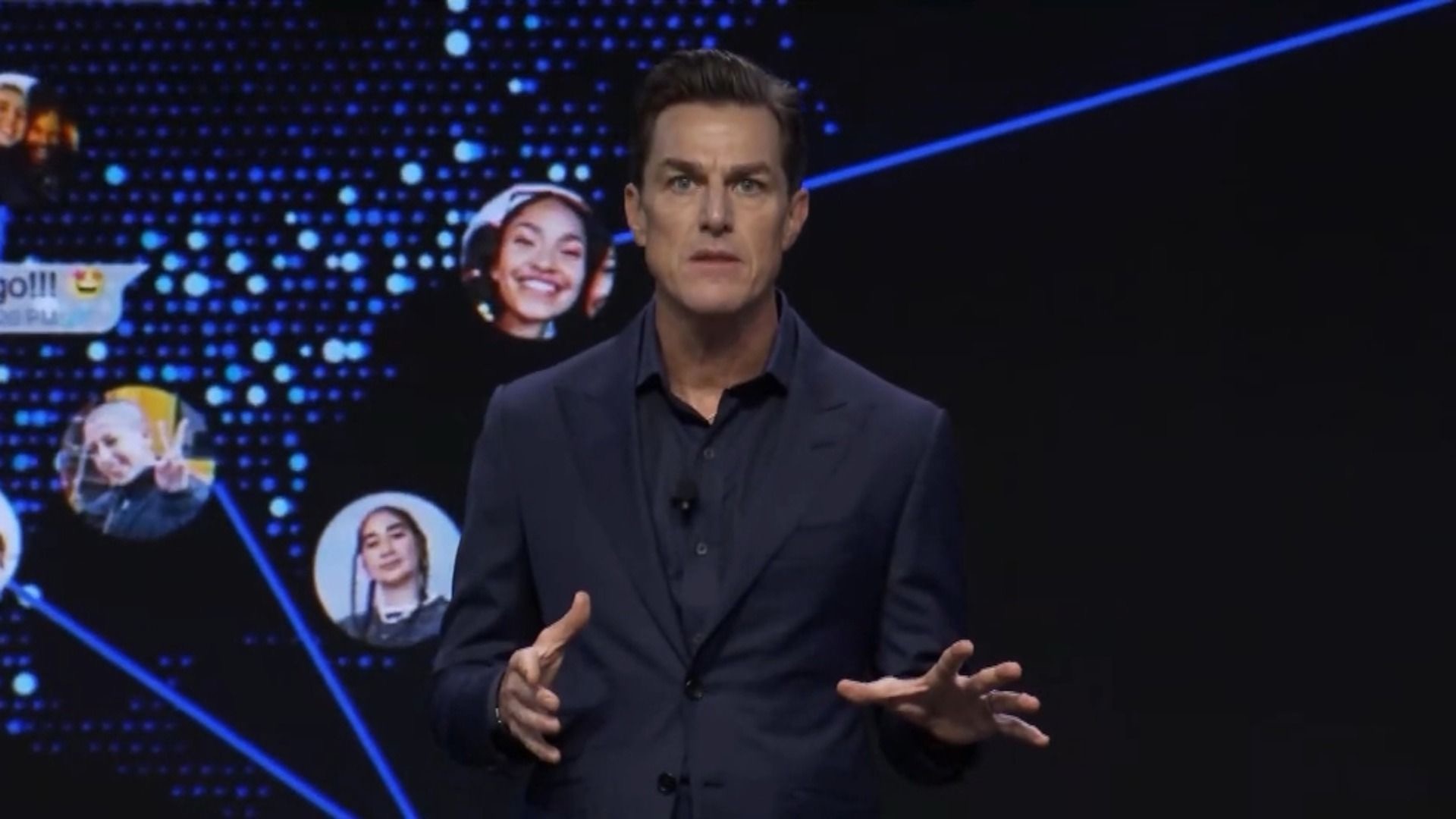
Chief Executive Officer Stephan Winkelmann reportedly emphasized that Lamborghini buyers continue to value the sensory elements that define traditional supercars—particularly engine sound, mechanical responsiveness, and driving engagement. According to the company’s leadership, these characteristics remain difficult to replicate in fully electric vehicles, especially within the ultra-luxury performance segment.
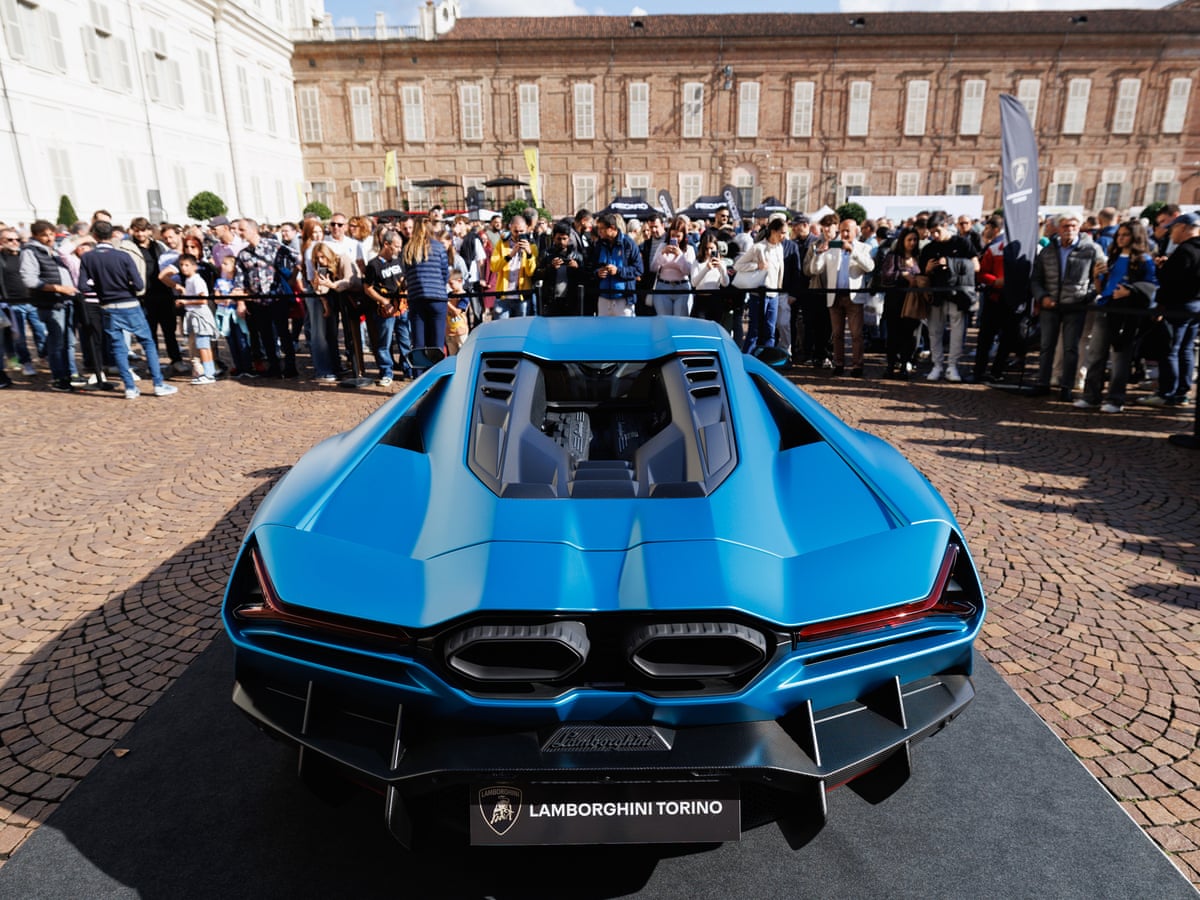
Unlike mass-market automakers that are rapidly expanding electric offerings, Lamborghini operates within a niche market where emotional appeal plays a central role in purchasing decisions. For many customers, the distinctive roar of a combustion engine and the tactile experience of performance engineering are inseparable from the brand’s identity. Executives acknowledged that while electric technology offers impressive acceleration and efficiency, it currently lacks the visceral character expected from a Lamborghini.
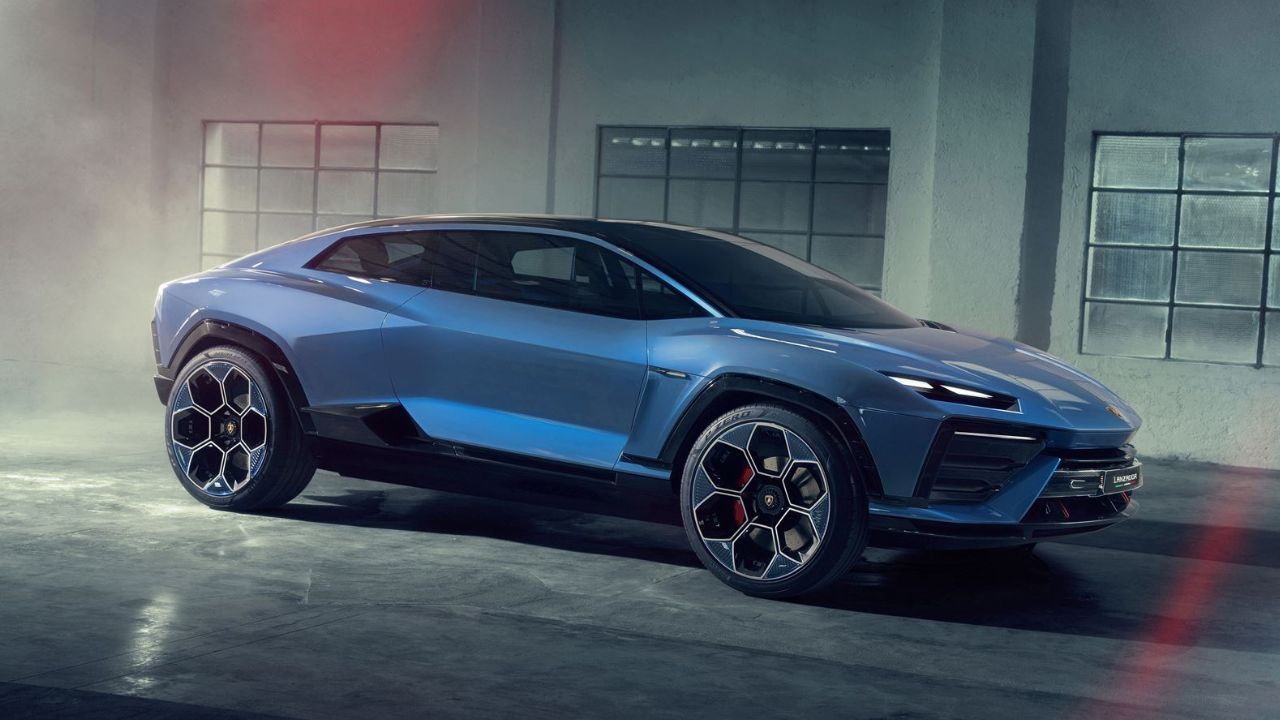
The canceled project was based on the futuristic Lanzador concept unveiled earlier this decade. The model was envisioned as a high-riding, two-door grand tourer combining sustainability with everyday usability, representing a departure from Lamborghini’s traditional low-slung supercar design. Industry observers had viewed the vehicle as a preview of the company’s electric future, with production initially targeted for the late 2020s.
However, slowing global demand for luxury electric vehicles and rising development costs appear to have reshaped the company’s outlook. Analysts note that while electric adoption continues to grow in mainstream segments, enthusiasm among supercar buyers remains uneven. Wealthy consumers, who often purchase such vehicles as emotional or collectible assets rather than practical transportation, have shown stronger interest in hybrid technologies that preserve combustion performance.
Rather than abandoning electrification entirely, Lamborghini has announced a renewed focus on plug-in hybrid systems. The company believes hybrid powertrains offer a transitional solution capable of reducing emissions while maintaining performance authenticity. By combining electric motors with traditional engines, hybrid models allow manufacturers to meet regulatory requirements without sacrificing brand heritage.
This hybrid-first strategy is already visible across Lamborghini’s evolving lineup. Recent models integrating electric assistance have demonstrated that performance gains can coexist with environmental considerations. Company officials argue that hybridization represents the most realistic pathway for the supercar industry during the current phase of technological transition.
The move also reflects broader uncertainty within the global automotive sector. Several luxury manufacturers have begun reassessing previously announced timelines for full electrification amid fluctuating consumer demand, infrastructure challenges, and concerns over battery production costs. While governments worldwide continue to promote electric mobility, premium performance brands face unique challenges in adapting their identity to silent propulsion systems.
Despite canceling the all-electric supercar, Lamborghini insists that electric technology remains part of its long-term vision. Executives clarified that a fully electric Lamborghini has not been ruled out permanently but postponed until advancements in battery density, lightweight materials, and sound engineering can deliver an experience consistent with the company’s philosophy.
Industry experts suggest that future breakthroughs—such as synthetic sound design, improved range capabilities, or next-generation solid-state batteries—could eventually make electric supercars more appealing to traditional enthusiasts. Until then, Lamborghini appears determined to preserve the emotional connection that has defined the brand for decades.
The announcement comes at a time when Lamborghini continues to enjoy strong global sales and brand demand. Record deliveries in recent years have reinforced confidence in its current direction, allowing the company flexibility to adjust its electrification timeline without immediate commercial pressure.
For purists and longtime fans, the decision may come as welcome news. The unmistakable engine note and dramatic driving experience remain central to Lamborghini’s appeal, distinguishing it from competitors in an increasingly electrified automotive world.
As the industry navigates the balance between sustainability and performance heritage, Lamborghini’s decision highlights a growing realization: the transition to electric mobility may not follow a single universal timeline. For now, the legendary “Raging Bull” appears set to charge forward with hybrid power rather than silent electricity—keeping the sound and spirit of the supercar alive while cautiously preparing for an electric future.