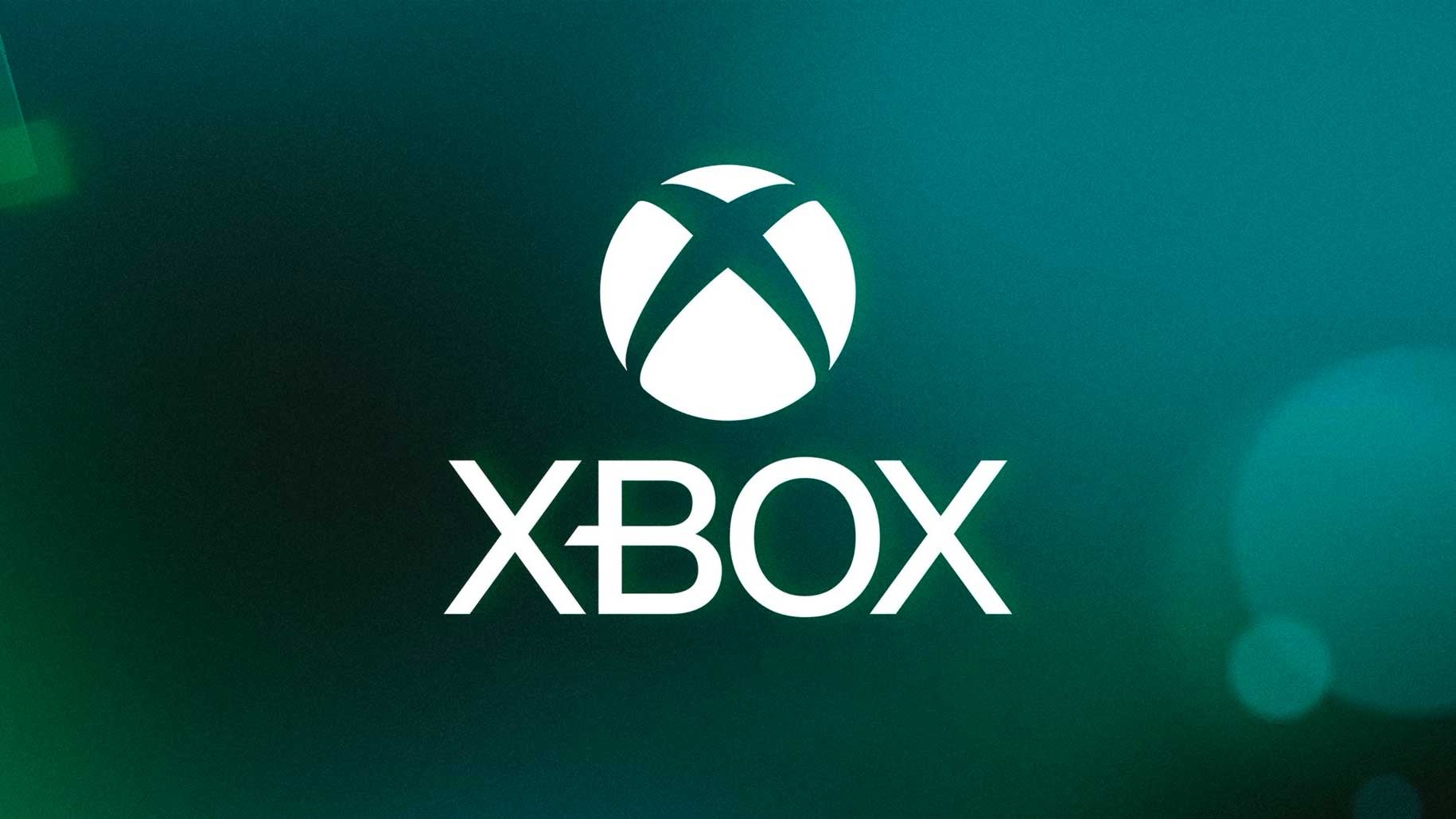
Microsoft appears to be making a dramatic shift in the identity of its gaming division, as the company begins rebranding “Xbox” into the all-capitalized “XBOX.” While the change may seem small on the surface, many industry observers believe it reflects a much larger transformation taking place inside one of the world’s biggest gaming companies.
The updated branding has started appearing across promotional material, social media pages, and company presentations, sparking widespread discussion among gamers and technology analysts. The familiar “Xbox” styling, used for more than two decades, is gradually being replaced with the sharper and more aggressive “XBOX” design. For longtime fans, the change represents both nostalgia and uncertainty about the future of the brand.
Microsoft has not described the shift as merely a cosmetic redesign. Instead, company executives have suggested that the rebrand reflects a broader evolution of Xbox from a traditional gaming console into a complete entertainment ecosystem. In recent years, the company has increasingly focused on cloud gaming, subscription services, PC integration, and cross-platform experiences rather than relying only on console hardware sales.

Gaming analysts say the all-caps styling is intended to make the brand feel more modern, universal, and recognizable across multiple platforms. Unlike the early years of Xbox, when the brand was associated mainly with a physical console, Microsoft now wants XBOX to represent a broader digital gaming identity that can exist across computers, smartphones, televisions, handheld devices, and streaming services.
The rebranding comes at a critical moment for Microsoft’s gaming business. The global gaming industry is undergoing rapid changes as subscription services, digital libraries, and cloud-based gaming continue to grow. Traditional console competition still exists, but the boundaries between console gaming, PC gaming, and mobile gaming are becoming increasingly blurred. Microsoft appears determined to position XBOX at the center of that transformation.
Industry insiders believe the branding change is also connected to Microsoft’s long-term strategy for Game Pass, its subscription-based gaming platform. Over the past several years, Game Pass has become one of the company’s biggest priorities, offering users access to hundreds of games through a monthly membership model. Microsoft executives have repeatedly described the future of gaming as service-oriented rather than hardware-focused.
Under this vision, XBOX is no longer simply a machine under a television. Instead, it becomes a gaming network and digital environment available anywhere players choose to play. The new branding seems designed to support that message by giving the company a stronger and more flexible global identity.
The redesign also appears to draw inspiration from the original Xbox era of the early 2000s. Many fans noticed that Microsoft has revived the brighter green color palette associated with the first Xbox console. This nostalgic visual direction has been welcomed by some longtime players who feel the company lost part of its original personality during recent years.
For many gamers, the original Xbox represented a bold and rebellious alternative in the console market. At the time, Microsoft was entering an industry dominated by Sony and Nintendo, and the Xbox brand was built around innovation, online gaming, and a futuristic identity. The decision to return to more aggressive branding elements may be an attempt to reconnect with that earlier image.
However, reactions from the gaming community have been mixed. Some players have praised the rebrand as fresh and energetic, arguing that the all-caps “XBOX” feels stronger and more iconic. Others believe the change is unnecessary and overly corporate, with critics joking online that Microsoft simply turned on the Caps Lock key.
Social media discussions about the redesign quickly turned into memes, but beneath the humor many players recognized that the change reflects deeper shifts inside Microsoft’s gaming division. Over the past few years, Xbox has faced increasing pressure to compete more effectively with Sony’s PlayStation platform, especially in terms of exclusive games and global console sales.
Although Microsoft made major acquisitions in the gaming industry and expanded its digital services, some critics argued that the Xbox brand lacked a clear identity. The new XBOX branding appears to be an effort to re-establish a stronger cultural and visual presence in the gaming market.
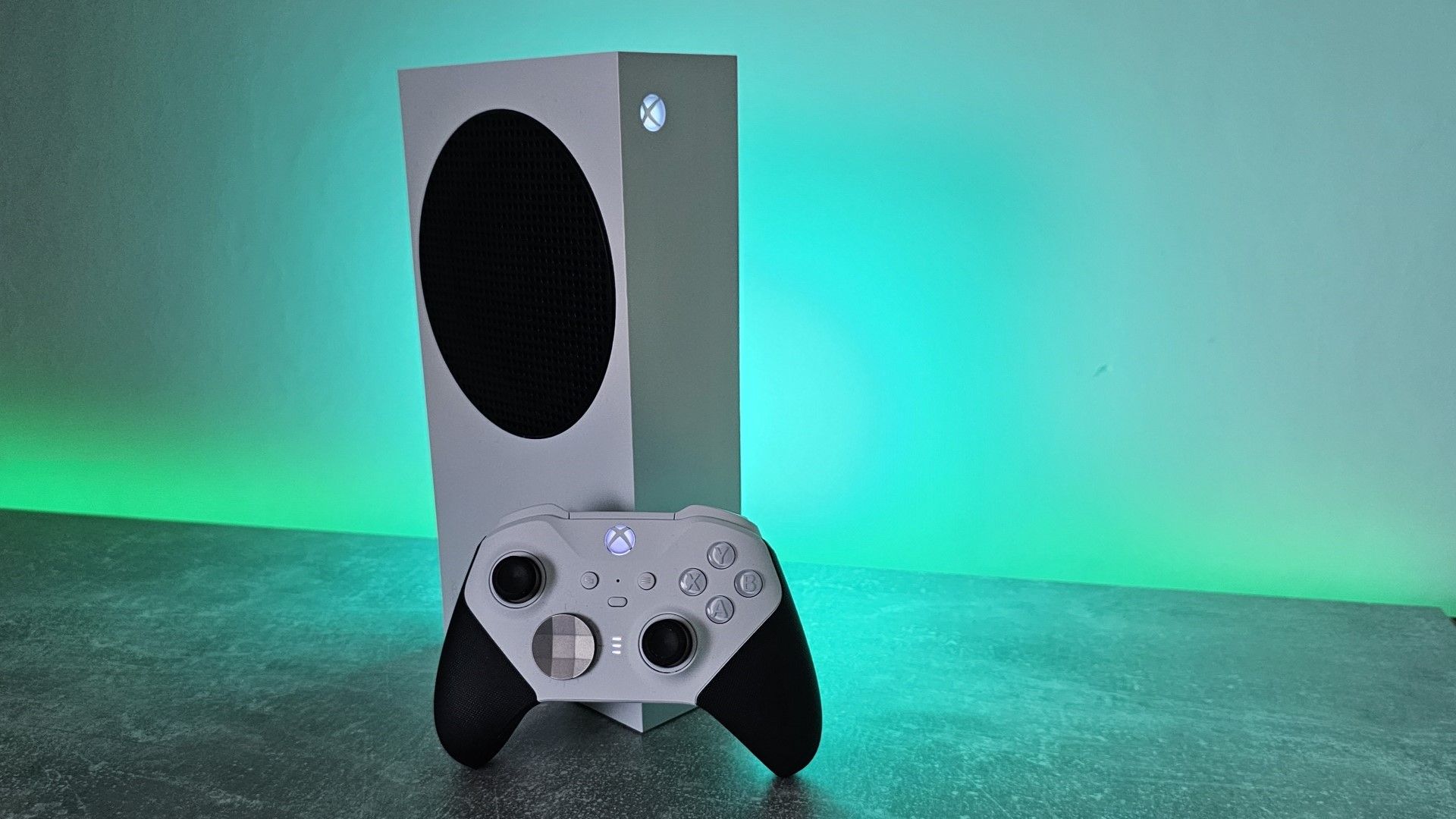
The rebrand also arrives during a period of leadership and strategic changes within Microsoft’s gaming operations. Company executives have emphasized future investments in next-generation hardware, artificial intelligence, and cloud-based gaming technologies. Reports suggest that Microsoft is developing new gaming systems designed to combine traditional console experiences with deeper integration into the Windows ecosystem.
This strategy reflects Microsoft’s larger goal of making gaming more accessible across devices. Instead of requiring players to own a specific console, the company wants users to move seamlessly between gaming on consoles, PCs, tablets, and cloud platforms. XBOX, in this sense, becomes less about hardware and more about access.
Technology experts believe this approach could reshape how gaming companies compete in the future. Rather than focusing entirely on selling physical consoles, companies are increasingly building long-term digital ecosystems designed to keep users connected through subscriptions, online communities, and streaming services.
Microsoft’s decision to adopt the XBOX branding may therefore represent an attempt to prepare for the next era of gaming. By creating a more unified and adaptable identity, the company is positioning itself for a future where gaming exists beyond a single device or platform.
Still, the success of the rebrand will depend largely on how players respond over time. Branding alone cannot solve concerns about game quality, exclusives, or market competition. Gamers ultimately care most about strong titles, reliable services, and enjoyable experiences. If Microsoft wants the new XBOX identity to succeed, it will need to support the branding shift with meaningful innovation and compelling games.
For now, the transition from “Xbox” to “XBOX” marks one of the boldest image changes in the history of the gaming industry. Whether it becomes a defining moment for Microsoft or simply a temporary marketing experiment remains uncertain. But one thing is clear: Microsoft wants the gaming world to see XBOX not as a console, but as the future of gaming itself.