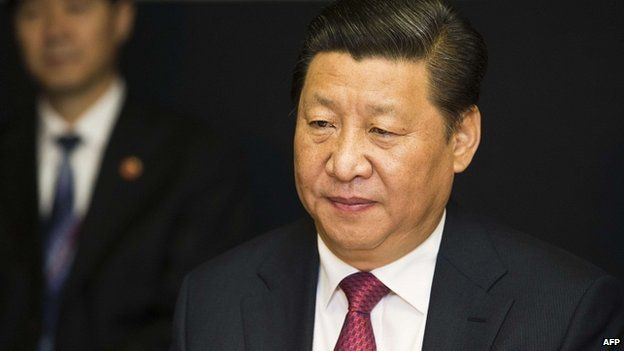
In a stunning turn of events, Chinese authorities have taken into custody Chen Siqing, the former chairman of the Bank of China, on allegations of suspected bribery. State media reports that the arrest comes as part of a broader anti-corruption campaign in the country and underscores China’s unwavering commitment to combating corrupt practices within its financial institutions.
Prominent Figure in Chinese Finance
Chen Siqing had been a prominent figure in China’s financial industry, serving as the Chairman of the Bank of China, one of the country’s “big four” state-owned banks. His tenure with the bank had lasted for several years, where he played a significant role in overseeing the institution’s operations, both domestically and internationally.

The Bank of China is one of the oldest and most influential banks in the country, and any allegations involving high-ranking officials within the institution are bound to generate substantial attention.
Allegations of Bribery Surface
The specific details of the alleged bribery have not been fully disclosed, but sources indicate that the accusations against Chen Siqing relate to financial impropriety. Chinese authorities have been cracking down on corruption in recent years, with President Xi Jinping pledging to root out corrupt officials, regardless of their status or position.
The arrest of such a high-profile figure demonstrates the government’s commitment to addressing these issues in both the public and private sectors.
China’s Ongoing Anti-Corruption Campaign
The anti-corruption campaign in China has been a persistent and high-priority effort under President Xi Jinping’s leadership. Numerous high-ranking officials, corporate executives, and public servants have faced investigations and charges for alleged corruption, bribery, or embezzlement.

This commitment to anti-corruption initiatives is intended to maintain public trust, uphold the rule of law, and create a fair and transparent business environment.
Global Implications
The arrest of Chen Siqing is expected to have ripple effects in China’s financial sector and could impact the Bank of China, which operates internationally. It also sends a message that no one, regardless of their stature or influence, is above the law when it comes to issues of corruption.
The international community will be closely watching how China handles this case, as it reflects the country’s determination to clean up its financial institutions and maintain integrity within its business landscape.
As the case develops, further information regarding the specific allegations and legal proceedings against Chen Siqing will likely come to light. For now, his arrest serves as a reminder of the ongoing battle against corruption in China and underscores the government’s commitment to eradicating such practices at all levels of society, including in powerful financial institutions.