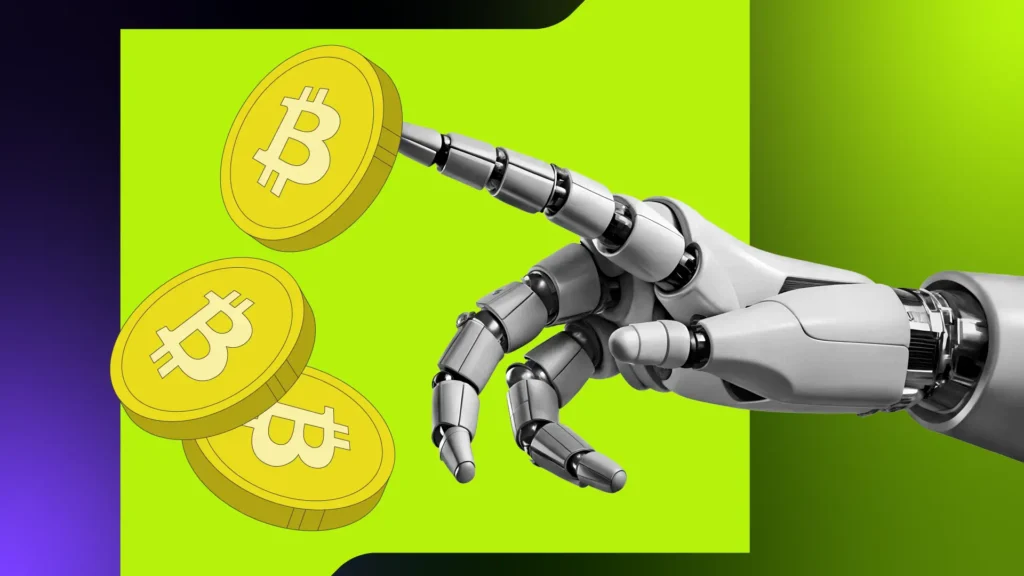
A man who believed he had permanently lost access to his Bitcoin fortune has finally recovered nearly $400,000 worth of cryptocurrency more than a decade after forgetting his password during a drug-fueled college night. The unlikely breakthrough reportedly came with the help of artificial intelligence, highlighting the growing role of AI in digital investigations and cybersecurity.
The story has rapidly spread across social media and cryptocurrency forums, drawing fascination from both tech enthusiasts and casual internet users. At the center of the viral tale is a Bitcoin wallet owner who had stored around 5 Bitcoin years ago, long before the cryptocurrency exploded in value. Back then, the holdings were worth only a few thousand dollars. Today, with Bitcoin trading near record highs, the forgotten wallet had become a small fortune.
According to the man’s account shared online, the problem began during his college years when he changed the password to his encrypted Bitcoin wallet while under the influence of drugs. The next morning, he could no longer remember the exact password he had created. At the time, he assumed he would eventually recall it. But days turned into years, and the password remained lost.

Over the next decade, he reportedly made numerous attempts to recover access to the wallet. He tried password recovery software, searched through old notebooks, looked through archived emails, and even experimented with various combinations of passwords he thought he may have used at the time. Nothing worked.
As Bitcoin’s value climbed dramatically over the years, the frustration only grew. What had once been a minor mistake slowly transformed into the loss of hundreds of thousands of dollars. The owner eventually accepted that the cryptocurrency might remain inaccessible forever.
That changed when he decided to use artificial intelligence as a last resort.
The man reportedly uploaded large amounts of old digital files, archived computer data, notes, and wallet-related documents into an advanced AI assistant. Rather than simply generating answers like a normal chatbot, the AI was used more like a digital investigator. It analyzed years-old files, identified forgotten patterns, and traced technical inconsistencies that humans had overlooked.
The breakthrough reportedly came when the AI discovered an older backup wallet file hidden among archived folders from the user’s college laptop. The system then helped reconstruct the sequence of events surrounding the password change and guided the owner through advanced wallet recovery procedures.
The AI also reportedly assisted in debugging specialized recovery software used for encrypted cryptocurrency wallets. By analyzing error messages, encryption patterns, and potential password structures, it helped narrow down the possibilities and improve the recovery process.
Eventually, after years of failure, the wallet opened successfully.
Blockchain activity later appeared to confirm that the Bitcoin had finally been moved after sitting untouched for more than a decade.
The dramatic recovery story quickly went viral online, with many people calling it one of the most remarkable examples yet of AI being used for real-world problem solving. While artificial intelligence is often associated with generating text, creating images, or answering questions, this case demonstrated its growing capabilities in technical reasoning, data analysis, and digital forensics.
Experts have stressed, however, that the AI did not “hack” Bitcoin or break its encryption. Bitcoin’s cryptographic security remains intact and was not compromised. Instead, the AI acted as a sophisticated assistant that helped piece together forgotten clues and streamline a highly complex recovery process.
Cybersecurity specialists say the incident reflects a broader trend in which AI systems are becoming increasingly capable of handling technical tasks that once required teams of experts. Modern AI models can now analyze massive datasets, identify hidden patterns, debug software code, and assist with encryption-related workflows.
For cryptocurrency holders, the story also serves as a reminder of the risks involved in self-custody. Unlike traditional banks, Bitcoin wallets are typically controlled entirely by the user. If passwords or private keys are lost, there is usually no central authority that can restore access.
Industry estimates suggest that millions of Bitcoin may be permanently inaccessible because of forgotten passwords, lost hard drives, damaged devices, or abandoned wallets. Some analysts believe a significant percentage of all Bitcoin in existence could remain locked forever.
Over the years, numerous stories have emerged about people accidentally throwing away hard drives containing Bitcoin fortunes or forgetting passwords created during the early days of cryptocurrency. Many of those assets have never been recovered.
This latest case stands out because the missing Bitcoin was not lost due to hardware destruction or theft. Instead, it was trapped behind human memory failure — something AI may increasingly help solve in the future.
The incident has also sparked conversations about the potential risks of advanced AI tools. Some experts warn that systems capable of reconstructing passwords, analyzing private files, or tracing digital histories could eventually be misused by hackers and cybercriminals if proper safeguards are not maintained.
Others see enormous positive potential, especially in fields like cybersecurity, digital archiving, and forensic investigations. AI systems are already being used to detect fraud, recover damaged files, identify cyber threats, and assist law enforcement agencies in complex investigations.
For the Bitcoin owner at the center of the story, however, the technology’s value is far more personal. After 11 years of frustration, regret, and failed attempts, he finally regained access to a fortune he once believed was gone forever — all because artificial intelligence succeeded where human memory could not.