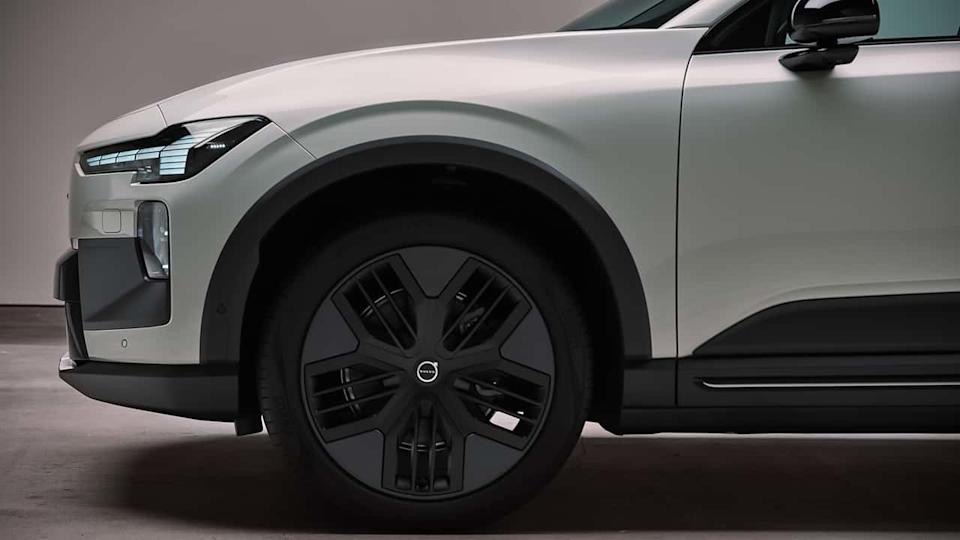
Volvo Cars is taking a stand against one of the auto industry’s most divisive business trends: charging drivers recurring subscription fees for features already installed in their vehicles. As automakers race to transform cars into software-driven products capable of generating ongoing revenue, Volvo executives say there is a limit to what customers should be asked to pay for after purchasing a premium vehicle.
Speaking ahead of the launch of the upcoming EX60 electric SUV, Volvo’s deputy CEO and chief commercial officer, Eric Severinson, criticized aggressive in-car subscription models, arguing that automakers risk damaging customer trust if they attempt to monetize too many features through monthly payments.
“You shouldn’t nickel-and-dime customers,” Severinson said while discussing the company’s future product and sales strategy.
His comments arrive during a period of major transformation for the automotive industry. Modern vehicles are increasingly powered by software, connected services, and over-the-air updates that allow automakers to add or improve features remotely. This shift has encouraged many manufacturers to explore subscription-based business models similar to those used by streaming services and smartphone apps.
In recent years, several carmakers have introduced paid subscriptions for functions such as heated seats, advanced navigation tools, adaptive lighting systems, performance upgrades, and driver-assistance technologies. Industry executives argue that these models create stable long-term revenue streams while enabling customers to customize vehicles according to their preferences.
However, consumers have often reacted negatively, especially when they discover they must continue paying for features already physically installed in their cars. Critics argue that the practice creates frustration and gives the impression that customers never fully own the vehicles they purchase.
Volvo appears eager to distance itself from the more aggressive versions of this strategy. According to Severinson, the company believes customers should receive clear value for any recurring payment rather than being charged repeatedly for basic conveniences or hardware capabilities.
The automaker’s position reflects its long-standing brand identity, which has traditionally focused on safety, reliability, and trust rather than flashy technological gimmicks. As the industry becomes more digital, Volvo is attempting to balance innovation with a customer-friendly ownership experience.
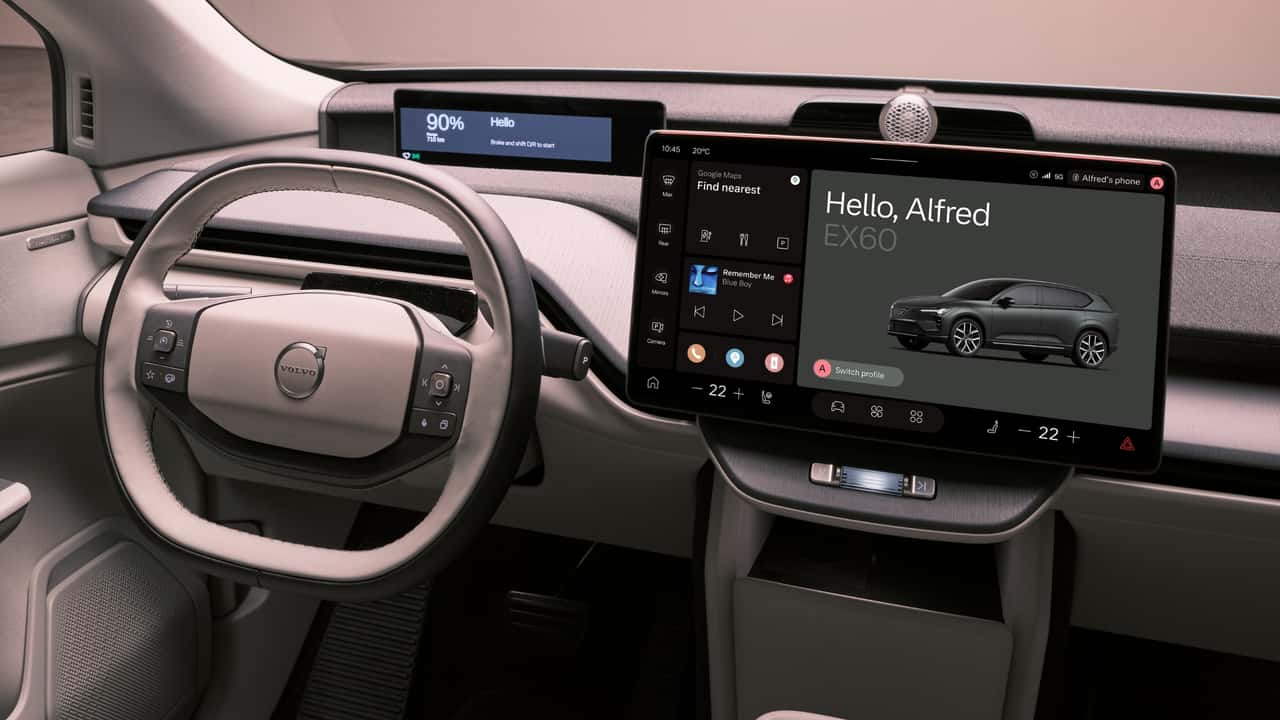
Rather than locking fundamental features behind paywalls, Volvo plans to focus subscriptions on services that can continuously improve over time. These could include connected services, enhanced mapping systems, cloud-based features, or software packages that evolve with regular updates. The company believes consumers are more willing to pay for subscriptions when they see ongoing benefits instead of feeling pressured into paying extra for features they assumed were included.
The debate over automotive subscriptions has become increasingly important as carmakers search for profitability in the electric vehicle era. Developing EV platforms and software ecosystems requires enormous investment, and many companies are seeking new ways to recover those costs. Subscription services have become particularly attractive because they provide recurring income long after a vehicle is sold.
Technology companies have already demonstrated how lucrative subscription models can be, and automakers are trying to replicate that success. Analysts estimate that software-enabled services could eventually generate billions of dollars annually for the global automotive industry.
Still, customer resistance remains a significant challenge. Surveys in multiple countries have shown that many drivers dislike paying monthly fees for functions tied to comfort or performance. Some buyers also worry about what happens if subscriptions expire or prices increase over time.
Volvo’s criticism suggests the company sees an opportunity to differentiate itself from competitors by offering a simpler and more transparent ownership model. In an increasingly crowded EV market, trust and customer satisfaction may become just as important as battery range or charging speed.
The company’s upcoming EX60 is expected to play a major role in this strategy. Positioned as the electric successor to the popular XC60 SUV, the EX60 will likely showcase Volvo’s next-generation software architecture, safety technologies, and connected features. It is also expected to serve as a key model in Volvo’s broader transition toward becoming a fully electric carmaker.
Like other automakers, Volvo is navigating a rapidly changing global market shaped by shifting consumer demand, trade tensions, tariffs, and economic uncertainty. During his remarks, Severinson also discussed the importance of production flexibility and regional manufacturing strategies.
Automakers worldwide are increasingly localizing production to reduce supply-chain risks and respond more effectively to regional regulations. Volvo has been expanding its global manufacturing footprint while adapting to changing market conditions in Europe, China, and North America.
The company’s cautious stance on subscriptions may also reflect a broader industry realization that consumers are becoming overwhelmed by recurring fees in many areas of life. Streaming platforms, smartphone apps, cloud storage services, and digital memberships already require constant payments, and some drivers are showing little enthusiasm for adding essential car features to that list.

For premium brands especially, customer expectations remain high. Buyers spending significant amounts on luxury vehicles often expect major features to be included upfront rather than divided into separate monthly charges. Excessive monetization risks creating resentment and weakening brand loyalty.
Volvo’s approach does not mean the company will avoid software-driven services altogether. In fact, software is expected to become central to the future of the automotive industry. Over-the-air updates, AI-powered systems, predictive maintenance, and connected ecosystems are likely to define next-generation vehicles.
However, Volvo appears determined to draw a distinction between useful digital services and what customers may perceive as exploitative pricing tactics. By emphasizing fairness and transparency, the company hopes to strengthen long-term relationships with drivers while still participating in the growing software economy.
As automakers continue experimenting with new business models, Volvo’s criticism of excessive subscriptions could resonate strongly with consumers who feel increasingly frustrated by hidden costs and recurring fees. In a market where customer trust is becoming a valuable competitive advantage, the Swedish automaker is betting that simplicity may prove more appealing than squeezing every possible dollar out of connected-car technology.