


In a sweeping move, the Russian government has announced a complete ban on iPhones and other Apple devices within its borders. The ban comes as a response to mounting concerns over potential U.S. spying activities through these popular gadgets. The decision was announced by the Russian Federal Service for Surveillance on Consumer Rights Protection and Human Wellbeing (Rospotrebnadzor) in a statement released today. According to the agency, the ban is a necessary measure to protect the privacy and security of Russian citizens.
The tensions between Russia and the United States have escalated in recent months, with cybersecurity and data privacy emerging as critical issues. Russian authorities have expressed apprehension that American tech companies, particularly Apple, might be compelled to share user data with U.S. intelligence agencies under the Foreign Intelligence Surveillance Act (FISA). While no direct evidence of spying has been presented publicly, the Russian government remains steadfast in its concern that these devices could potentially be exploited for intelligence gathering, surveillance, and data collection on Russian soil.
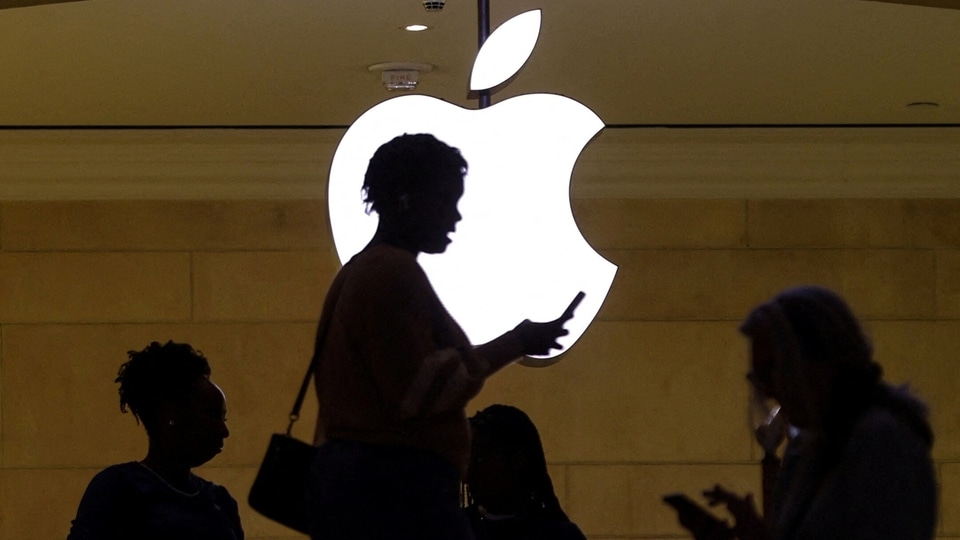
The ban will encompass all Apple products, including iPhones, iPads, MacBooks, and other accessories, effectively severing the technology giant’s access to one of the world’s largest markets. Russian retailers and distributors have been given a limited window to sell off their existing Apple inventory, after which the devices will be prohibited from sale or import.
The impact of the ban will undoubtedly be felt by millions of Apple users in Russia, who will be forced to seek alternatives for their mobile communication and computing needs. Local smartphone manufacturers and other global brands are expected to capitalize on the void left by Apple’s absence from the market.
In response to the ban, Apple has issued a statement expressing its disappointment and reiterating its commitment to user privacy. The company has emphasized that it does not compromise the security of its products and has no backdoors for government agencies.
This move further highlights the escalating tensions between Russia and the United States in the realm of technology and cybersecurity. It also reflects the growing trend of countries taking a protective stance regarding data privacy, sovereignty, and control over their digital infrastructure.
As the ban takes effect, the world will closely watch for any developments in this ongoing technology dispute. The outcome may have broader implications for international trade, data privacy regulations, and the global technology landscape. For now, Russian Apple users face uncertain times, and the broader implications of this decision remain to be seen.
