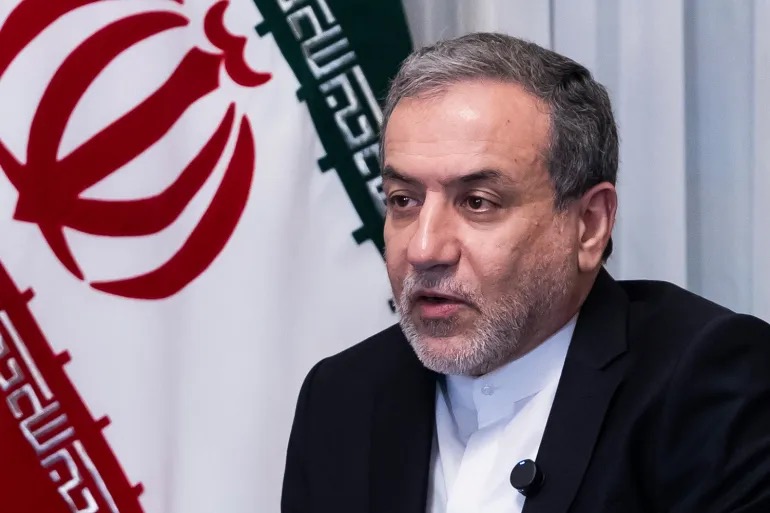
Iran has issued a sharp warning that it will begin targeting major American technology companies starting April 1, signaling a significant escalation in its confrontation with the United States and its allies. The announcement has raised alarm across global markets and security agencies, as it expands the scope of geopolitical conflict into the corporate and digital sphere.
Among the companies named are Apple, Google, and Microsoft—firms that play a central role in global communications, cloud computing, and consumer technology. Iranian officials have accused these corporations of indirectly supporting U.S. strategic and military operations through their technologies, particularly in areas such as artificial intelligence, data infrastructure, and surveillance systems.
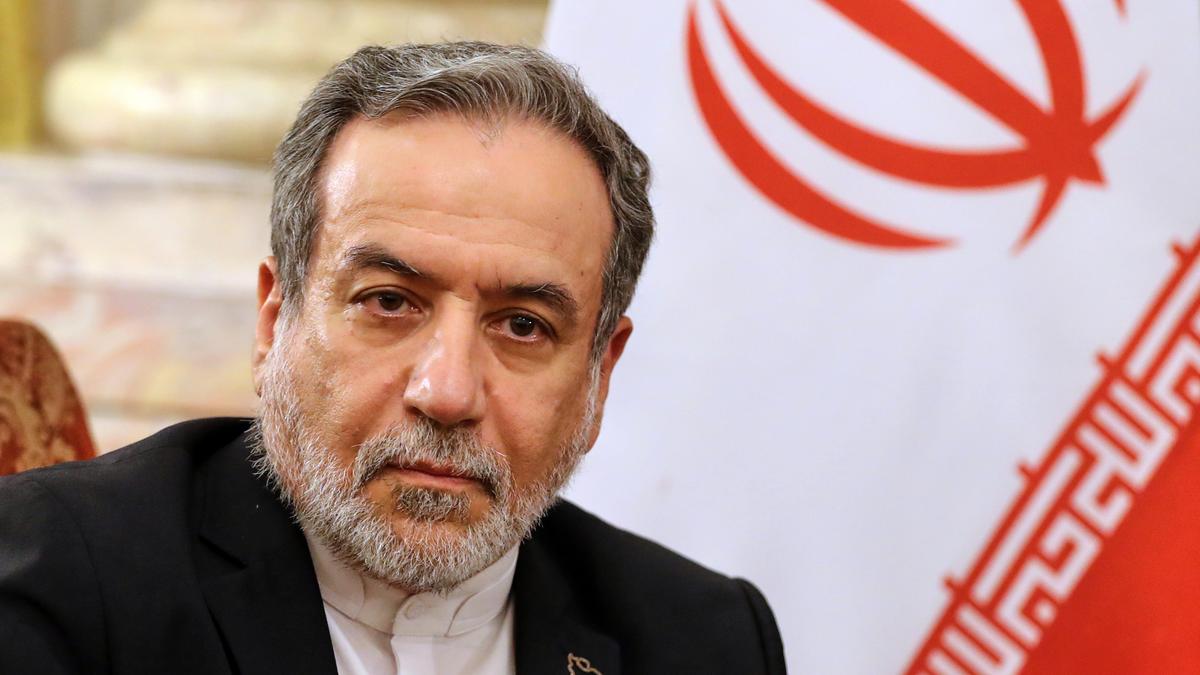
The warning is believed to have originated from Iran’s powerful Islamic Revolutionary Guard Corps (IRGC), which described these companies as part of what it called “enemy technological infrastructure.” According to statements attributed to Iranian authorities, the involvement of such firms in global data systems and defense-linked technologies makes them legitimate targets in the broader conflict.
This development marks a notable shift in how modern warfare is defined. Traditionally confined to military targets and state actors, the conflict now appears to be expanding into the private sector, particularly companies that provide critical digital services. Analysts say this reflects the growing role of technology in defense and intelligence, where corporate platforms and tools are often deeply integrated into national security frameworks.

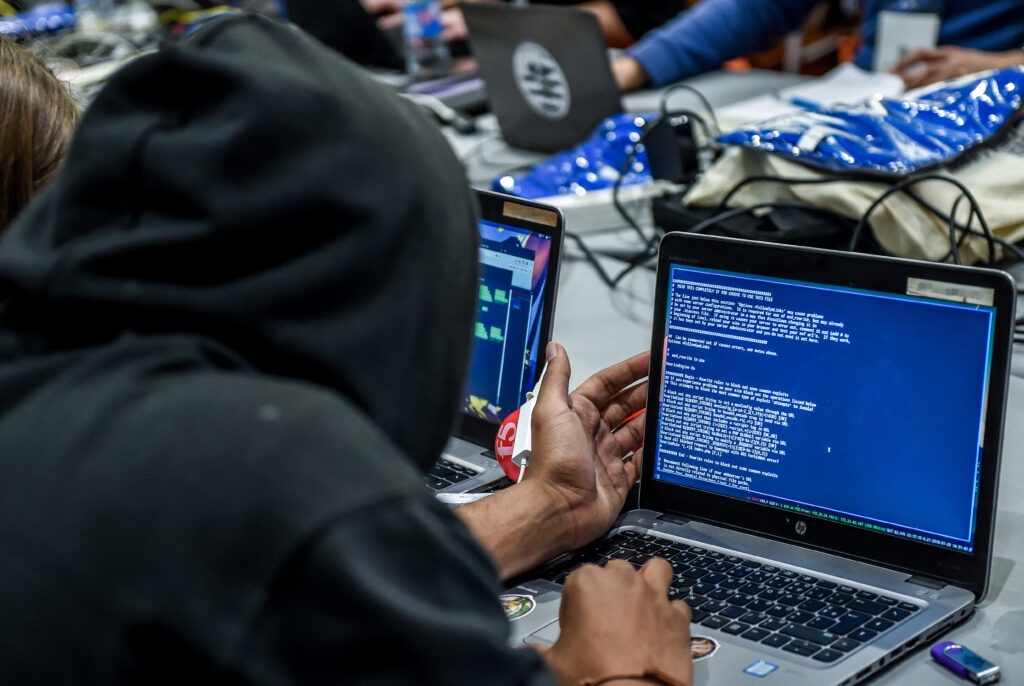
The Iranian warning reportedly includes both physical and cyber dimensions. Security experts suggest that potential actions could range from cyberattacks on servers and networks to disruptions of regional offices and infrastructure. In response, multinational companies have begun reassessing their operations in sensitive areas, particularly in the Middle East, where tensions remain high.
The threat has also raised concerns about employee safety. Reports indicate that warnings have been issued urging staff affiliated with American tech firms to avoid certain locations or take precautionary measures. This has added a human dimension to the crisis, as thousands of workers across the region could be affected if the situation escalates further.
The United States has reacted swiftly to the development, placing defense systems and personnel on heightened alert. Officials in Washington have reiterated their commitment to protecting American citizens and corporate interests abroad. While no direct confrontation has been reported as of now, the rhetoric from both sides suggests that tensions are at a critical point.
Experts warn that targeting companies like Apple, Google, and Microsoft could have far-reaching consequences beyond immediate geopolitical concerns. These firms form the backbone of global digital infrastructure, supporting everything from financial transactions to communication networks and cloud-based services. Any disruption could ripple across industries and economies, affecting millions of users worldwide.
There is also growing concern about the potential for a large-scale cyber conflict. Unlike conventional warfare, cyberattacks can be launched remotely, often without immediate attribution, making them harder to deter and respond to. A coordinated attack on major tech firms could disrupt services on a global scale, potentially impacting banking systems, transportation networks, and even emergency services.
The broader context of the threat lies in the deteriorating relationship between Iran and the United States, which has seen a series of confrontations in recent months. Military actions, sanctions, and political tensions have created a volatile environment, with both sides accusing each other of aggression and interference. The inclusion of private corporations in this conflict signals a new and potentially more unpredictable phase.
International observers have called for restraint, warning that further escalation could destabilize not only the Middle East but also the global economy. Diplomatic channels are reportedly being explored, though no formal negotiations have been confirmed.
For now, the world is watching closely as April 1 marks the date set by Iran for potential action. Whether the threat materializes into concrete attacks or remains a strategic warning is yet to be seen. However, the message is clear: in an era where technology underpins nearly every aspect of modern life, the line between civilian and military targets is becoming increasingly blurred.
As governments and corporations brace for possible fallout, the situation underscores a critical reality of the 21st century—global conflicts are no longer confined to borders or battlefields, but are increasingly fought through networks, systems, and the digital infrastructure that connects the world.