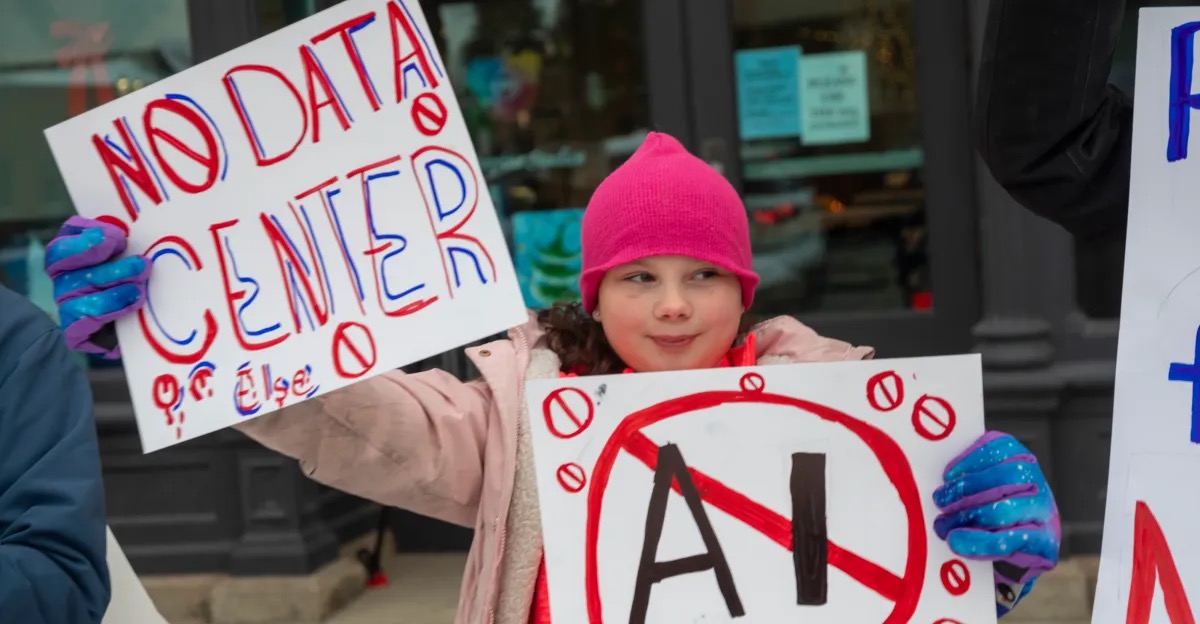
As artificial intelligence continues to reshape industries at an unprecedented pace, fears of widespread job loss are intensifying across the globe. From automated warehouses to AI-powered customer service and content generation tools, the scope of what machines can now accomplish is expanding rapidly. Against this backdrop, tech entrepreneur Elon Musk has put forward a striking proposal: a system of “universal high income” designed to cushion the economic shock of automation and redefine how societies distribute wealth.
Musk’s idea builds on the concept of universal basic income (UBI), but with a crucial distinction. While UBI typically refers to a modest financial safety net intended to cover basic needs, Musk envisions a much more expansive framework. In his view, advances in AI and robotics will generate such extraordinary levels of productivity that governments could afford to provide citizens with an income high enough to ensure not just survival, but a comfortable standard of living.
At the heart of his argument is a belief that automation will not simply replace human labor—it will fundamentally transform the economics of production. As machines become capable of performing complex tasks more efficiently than humans, the cost of producing goods and services could fall dramatically. This surge in productivity, Musk suggests, could counterbalance the risks of inflation that critics often associate with large-scale income redistribution.
The timing of this proposal is significant. Across sectors such as manufacturing, finance, healthcare, and media, AI systems are increasingly taking on roles once thought to require human judgment and creativity. While some jobs are being created in emerging fields, many analysts warn that the pace of displacement may outstrip the ability of workers to retrain and adapt. This has sparked growing concern about inequality, job security, and the future of work itself.
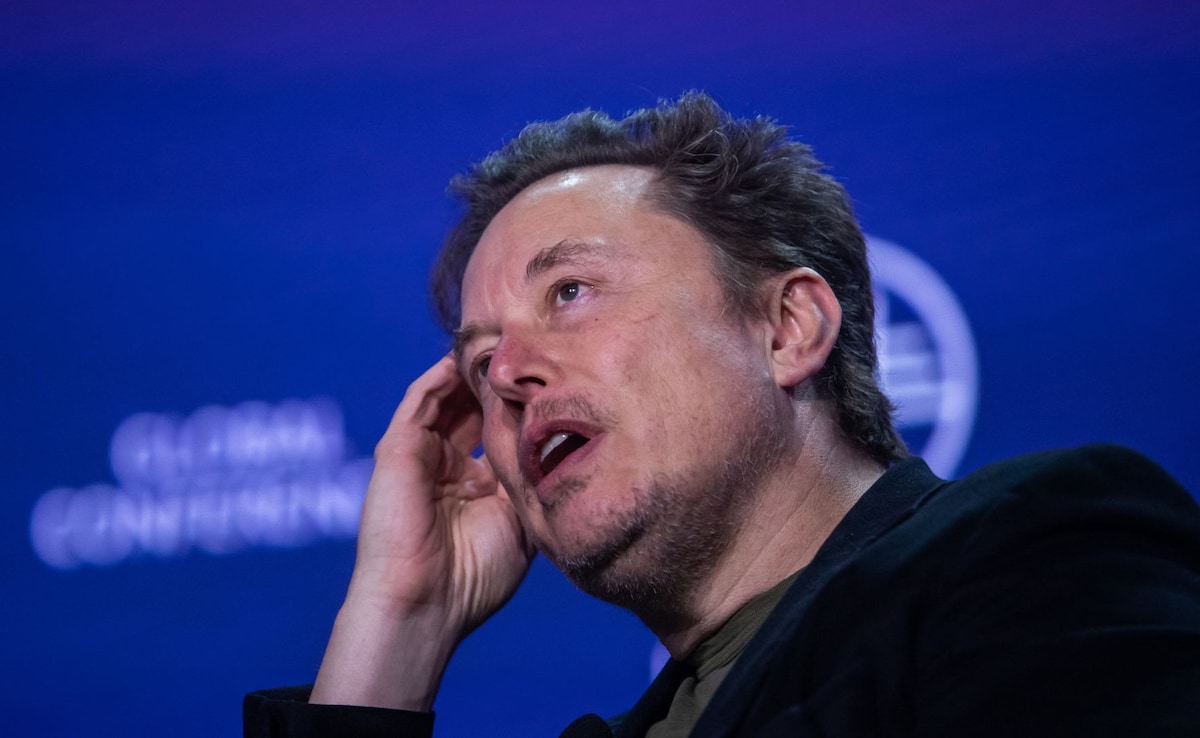
Musk has long been a vocal commentator on the societal implications of artificial intelligence. Even as he has invested heavily in AI-driven ventures, he has repeatedly cautioned that the technology poses serious challenges if left unchecked. His advocacy for universal high income reflects a broader recognition that technological progress must be accompanied by new economic models capable of supporting those who are displaced.
Supporters of the idea argue that it offers a forward-looking solution to an inevitable problem. By ensuring that everyone has access to a stable and sufficient income, governments could reduce the social disruptions associated with mass unemployment. Proponents also suggest that freeing individuals from the necessity of traditional employment could unlock new forms of creativity, innovation, and personal fulfillment. People might choose to pursue education, caregiving, entrepreneurship, or artistic endeavors without the constant pressure of earning a livelihood.
However, the proposal also raises significant questions. One of the most pressing concerns is how such a system would be funded. Implementing a universal high income would likely require sweeping changes to taxation, including potential levies on corporations that benefit most from automation. Policymakers would also need to address issues of fairness and sustainability, ensuring that the system does not place undue strain on public finances.
Critics further argue that Musk’s vision may underestimate the complexities of economic behavior. While increased productivity could help offset inflation, the relationship between supply, demand, and pricing is influenced by a wide range of factors. There is also skepticism about whether governments would be able to effectively manage and distribute the wealth generated by AI-driven industries.
Beyond the economic debate, there are deeper societal implications to consider. Work has traditionally been a central component of identity, structure, and social interaction. A future in which large segments of the population are no longer engaged in conventional employment could require a profound cultural shift. Questions about purpose, contribution, and community would become increasingly important as societies navigate this transition.
At the same time, the conversation around universal high income intersects with broader concerns about the concentration of power in the technology sector. As AI continues to drive growth and profitability for major companies, there is mounting pressure to ensure that these gains are shared more equitably. Musk’s proposal can be seen as part of a larger effort to rethink how the benefits of innovation are distributed in an increasingly automated world.

Governments and institutions are already exploring a range of responses to the challenges posed by AI. These include investments in education and reskilling programs, incentives for job creation in emerging industries, and pilot projects testing different forms of income support. While universal high income remains a theoretical concept, it adds a bold and provocative dimension to these ongoing discussions.
For many observers, the appeal of Musk’s idea lies in its optimism. Rather than framing automation as a threat to be resisted, it presents it as an opportunity to create a more abundant and equitable society. Yet turning that vision into reality would require careful planning, political consensus, and a willingness to experiment with new economic frameworks.
As artificial intelligence continues to advance, the debate over its impact on employment is unlikely to fade. Whether universal high income becomes a viable policy or remains a thought experiment, it highlights a central challenge of the 21st century: how to ensure that technological progress benefits everyone, not just a select few.