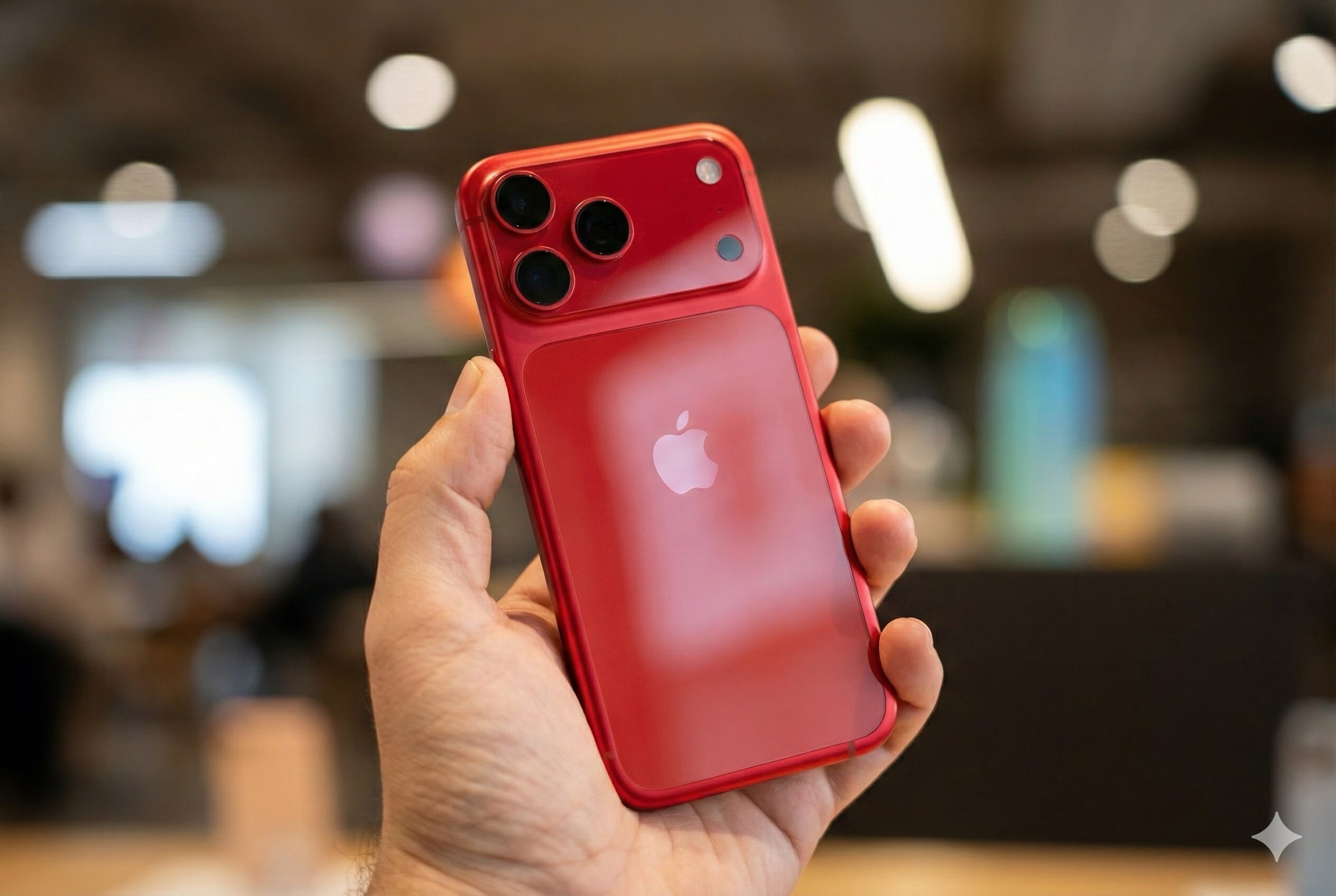
As anticipation builds for Apple’s next-generation flagship, fresh leaks suggest that the iPhone 18 Pro could introduce a subtle yet meaningful design shift aimed at improving one of the most critical aspects of modern smartphones: battery life. While the device may not feature a dramatic visual overhaul, reports indicate that internal changes—combined with a slightly thicker chassis—could allow Apple Inc. to equip the phone with a battery capacity of up to 5,200 mAh.
For years, Apple has prioritized sleek, slim designs, often walking a fine line between aesthetics and endurance. However, growing user demand for longer battery life—especially with increasingly power-hungry applications like AI processing, high-refresh-rate displays, and advanced photography—appears to be influencing a shift in priorities. The iPhone 18 Pro may reflect that shift.
A Slightly Thicker Body With a Purpose
According to recent leaks, the iPhone 18 Pro could be marginally thicker than its predecessor. While the increase may be subtle—likely less than a millimeter—it could have a significant impact on internal space. This added room would enable Apple to incorporate a larger battery without drastically altering the device’s overall footprint.
Historically, even small gains in battery capacity can produce noticeable improvements in daily usage. A jump toward 5,200 mAh would place the iPhone 18 Pro among the highest-capacity iPhones ever released, potentially extending screen-on time and reducing the need for frequent charging. For users who rely heavily on their devices throughout the day, this could be one of the most practical upgrades in years.
Despite the increased thickness, early indications suggest that Apple will aim to maintain a balanced feel. Any additional weight is expected to be minimal, ensuring the device remains comfortable to hold and use.

Under-Display Face ID Could Free Up Space
Another key factor enabling the larger battery may be a major internal redesign involving Face ID technology. Leaks suggest that Apple is working toward placing Face ID components beneath the display, reducing or partially eliminating the need for the current front-facing sensor cutout.
This move could serve multiple purposes. On the surface, it would allow for a cleaner, more immersive display with fewer visual interruptions. Beneath the surface, however, it could help Apple reorganize internal components more efficiently. By redistributing sensors and reducing the space required at the top of the device, engineers may be able to allocate more room for battery cells.
The result would be a smarter use of internal architecture rather than simply relying on external size increases. This kind of optimization aligns with Apple’s long-standing approach to hardware design, where efficiency and integration often take precedence over brute-force expansion.
Efficiency Gains Alongside Capacity Increase
Battery life improvements are not solely dependent on capacity. The iPhone 18 Pro is also expected to benefit from advancements in chip efficiency, likely through a next-generation processor built on a more advanced manufacturing process. Combined with potential improvements in Apple’s in-house modem technology, these changes could reduce power consumption across various tasks.
This means that even a modest increase in battery size could be amplified by better energy management. Users may experience longer usage times not just because of a bigger battery, but because the device itself consumes power more intelligently.
Additionally, software optimization—always a strong suit for Apple—will likely play a crucial role. With tighter integration between hardware and iOS, the company can fine-tune performance to maximize battery efficiency without compromising speed or responsiveness.
A Shift in Design Philosophy
If these leaks prove accurate, the iPhone 18 Pro could signal a subtle but important shift in Apple’s design philosophy. Rather than focusing primarily on making devices thinner each year, the company may be embracing a more balanced approach—one that values real-world usability as much as visual appeal.
This wouldn’t be entirely unprecedented. In recent years, the broader smartphone industry has started to move away from ultra-thin designs in favor of slightly thicker devices that offer better battery life and thermal performance. Apple, known for carefully timing its design transitions, may now be aligning with this trend.
What Users Can Expect
For everyday users, the potential benefits are clear. A larger battery could translate into fewer charging cycles, improved reliability during long days, and better performance during intensive tasks like gaming, video recording, or multitasking.
At the same time, the rumored under-display Face ID system could enhance the visual experience by minimizing screen interruptions. Together, these changes suggest a device that feels more refined rather than radically different.
While the iPhone 18 Pro may not introduce a bold new look, it could deliver one of the most meaningful upgrades users have been asking for: longer-lasting battery life without major compromises.
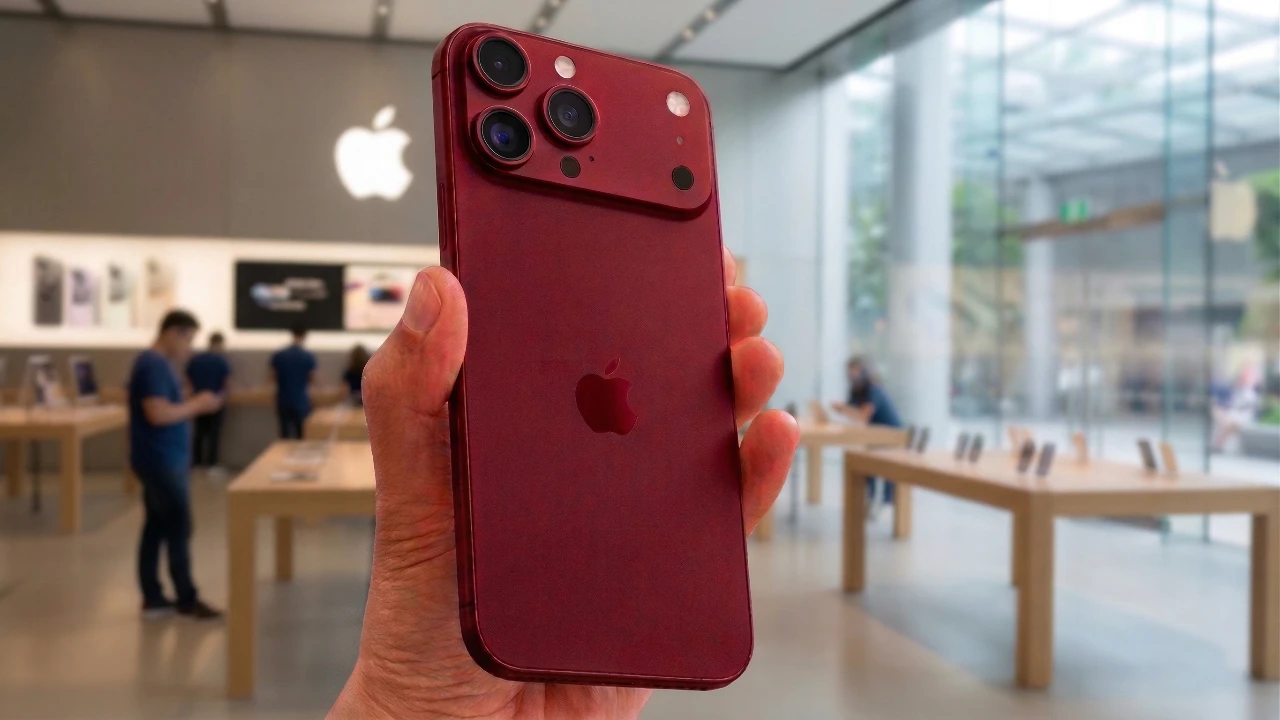
With the official launch still months away, details remain speculative. However, the direction suggested by these leaks points toward a device that prioritizes practicality and performance—an evolution that could resonate strongly with users seeking more from their daily smartphone experience.