
A fierce political and technological dispute has erupted in Britain after U.S. data analytics giant Palantir publicly criticized London mayor Sadiq Khan for blocking a proposed £50 million contract with the Metropolitan Police. The clash has reignited national debate over the growing use of artificial intelligence in policing, the role of foreign technology companies in public institutions, and concerns surrounding surveillance and data privacy.
The proposed deal would have allowed the Metropolitan Police to use Palantir’s advanced AI-powered software for intelligence analysis, crime pattern detection, and data integration across investigations. Supporters of the agreement argued that the technology could significantly improve police efficiency, help officers identify criminal networks more quickly, and modernize outdated intelligence systems within Britain’s largest police force.
However, the agreement was halted after concerns were raised inside City Hall regarding the procurement process and the wider implications of partnering with a controversial technology company. Officials linked to the mayor’s office reportedly believed the contract process lacked sufficient transparency and questioned whether proper competition had been allowed before Palantir emerged as the preferred supplier.

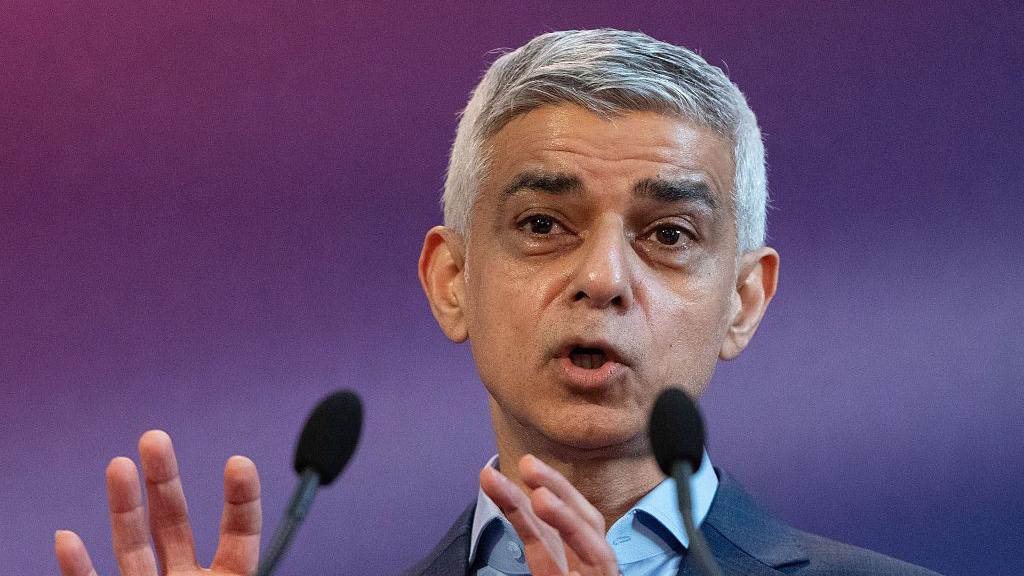
The decision triggered a sharp response from Palantir executives, who accused Sadiq Khan of placing political considerations above the safety and security of Londoners. Company representatives argued that police forces around the world are increasingly relying on advanced data systems to combat organized crime, terrorism, and cyber threats, and warned that delaying modernization efforts could weaken law enforcement capabilities.
Louis Mosley, who oversees Palantir’s operations in the United Kingdom and Europe, strongly defended the company’s role in public-sector technology projects. He insisted that Palantir’s software is designed to support decision-making rather than replace human judgment and argued that critics often misunderstand how the company’s systems operate.
Mosley also pushed back against claims that Palantir’s previous work with governments and security agencies should automatically disqualify it from contracts in Britain. The company has long faced criticism from privacy activists and human rights organizations because of its work with U.S. defense agencies, immigration enforcement bodies, and military operations. Critics argue that Palantir’s technology enables mass surveillance and raises concerns about civil liberties.
Palantir, however, maintains that its tools are meant to improve efficiency, identify threats, and assist organizations in handling large amounts of complex information. The company has previously secured contracts with Britain’s National Health Service and the Ministry of Defence, making it an increasingly influential technology partner within the UK public sector.
The disagreement over the Metropolitan Police contract has quickly evolved into a broader political issue. Supporters of Khan’s decision argue that governments must be cautious when granting powerful technology firms access to sensitive public data. They say transparency, accountability, and ethical oversight are essential, particularly when AI systems are involved in law enforcement operations that could affect civil rights.
Some critics also questioned whether Britain is becoming too dependent on American technology companies for key public services. Concerns have grown in recent years over how data collected by police and public institutions is stored, analyzed, and protected, especially as artificial intelligence becomes more sophisticated.
At the same time, supporters of the Palantir deal argue that modern policing cannot function effectively without advanced technology. Law enforcement agencies across the world are under increasing pressure to respond quickly to complex crimes involving digital communications, international networks, and rapidly changing security threats. AI systems capable of analyzing massive amounts of information in real time are viewed by many police officials as essential tools for future investigations.
The Metropolitan Police itself reportedly viewed the proposed partnership as an opportunity to modernize aging systems and improve coordination between departments. Police leaders have repeatedly warned about financial pressures, staffing shortages, and rising operational demands, arguing that technology can help improve efficiency while reducing administrative burdens on officers.
The controversy has also exposed divisions within British politics over the role of artificial intelligence in public life. Some politicians have embraced AI as a necessary part of economic and institutional modernization, while others fear that rapid technological expansion is happening faster than governments can regulate it.
Business leaders and technology advocates have warned that Britain risks falling behind other countries if it becomes overly cautious about adopting AI systems. They argue that advanced data analysis tools can improve not only policing but also healthcare, transport, education, and public administration.
Yet opponents insist that innovation must not come at the expense of public trust. Privacy campaigners have raised concerns about algorithmic bias, surveillance overreach, and the possibility that AI systems could unfairly target certain communities if not properly monitored.
The clash between Palantir and Sadiq Khan reflects a wider international debate now taking place across Europe and North America. Governments are increasingly wrestling with difficult questions about how artificial intelligence should be used in policing and security operations. While technology companies promise efficiency and improved decision-making, civil liberties groups continue to demand stronger safeguards and independent oversight.
For Palantir, the blocked contract represents both a financial setback and a reputational challenge in one of its key international markets. The company has been aggressively expanding its presence in Europe and sees Britain as an important hub for future public-sector partnerships.
For Sadiq Khan, the decision may strengthen his image among voters concerned about surveillance and corporate influence in government. However, it also opens him to criticism from those who believe political caution is slowing necessary reforms in policing and public safety.
Despite the sharp public exchanges, discussions around AI in British policing are unlikely to end anytime soon. The controversy has highlighted both the promise and the risks of emerging technologies, ensuring that the debate over security, privacy, and artificial intelligence will remain at the center of public policy discussions in the years ahead.