A White House teleprompter operator has been placed on unpaid leave after allegations surfaced that he earned more than $100,000 by placing bets related to President Donald Trump’s speeches. The incident has sparked an internal investigation and renewed concerns about ethics, confidential government information, and the growing influence of political prediction markets.
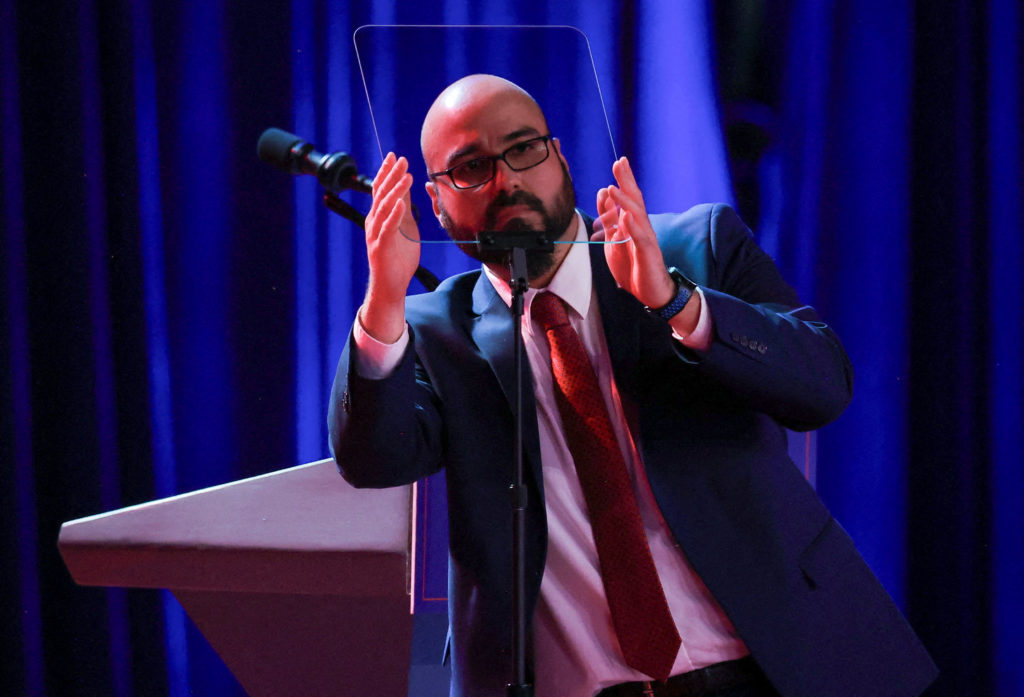
The White House confirmed that Gabriel Perez, who worked as a teleprompter operator for the president, has been placed on unpaid administrative leave pending the outcome of an internal review. Administration officials emphasized that the move is a precautionary measure and should not be interpreted as a finding of guilt.
The allegations center on claims that Perez used advance knowledge of Trump’s speeches to place wagers on prediction markets that allow users to bet on political events and public statements. Because teleprompter operators often receive presidential speeches before they are delivered publicly, investigators are examining whether Perez had access to non-public information that may have given him an unfair advantage.
According to individuals familiar with the matter, Perez allegedly participated in numerous prediction market trades tied to Trump’s public appearances and policy announcements. Over time, those wagers reportedly generated profits exceeding $100,000, raising questions about whether government employees should be allowed to participate in such markets when they have access to confidential information.
White House officials have not disclosed the full scope of the investigation or specified which prediction market platforms are under review. They have also declined to comment on whether any federal law enforcement agencies are involved, stating only that the matter is being handled through the appropriate internal channels.
“The individual has been placed on unpaid leave while we conduct a thorough review,” a White House spokesperson said. “The administration is committed to maintaining the highest ethical standards for all employees.”
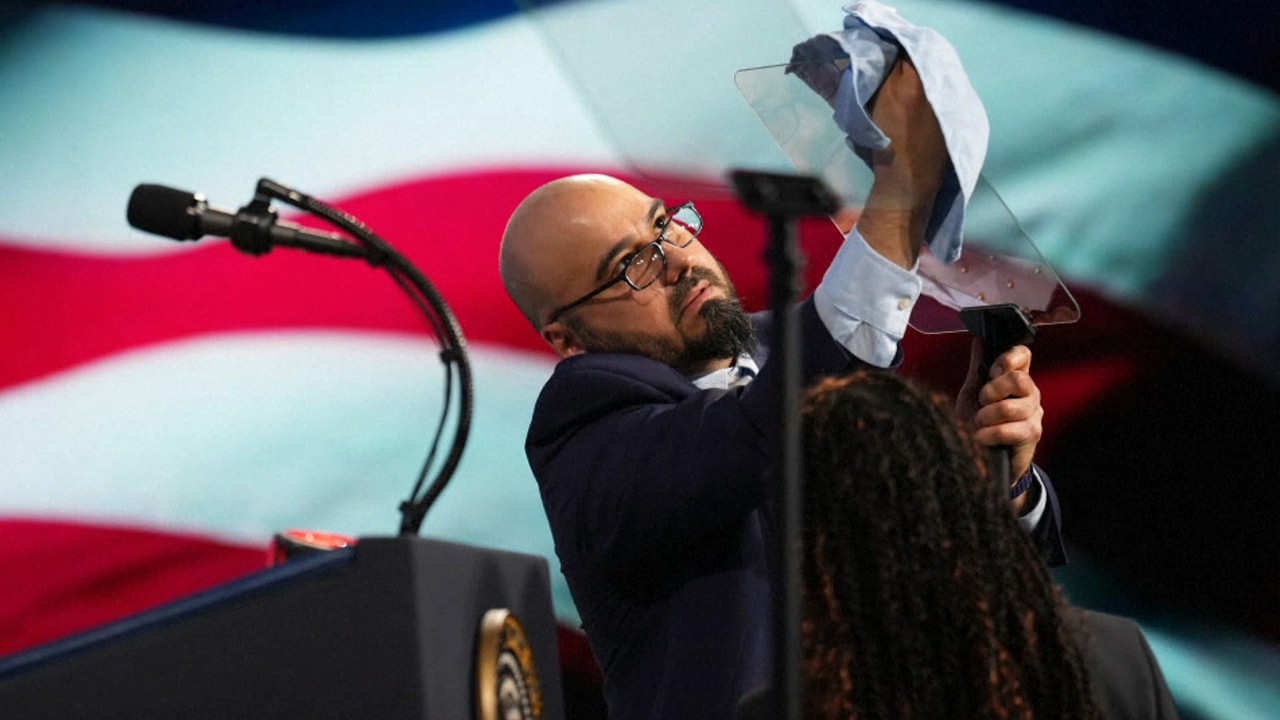
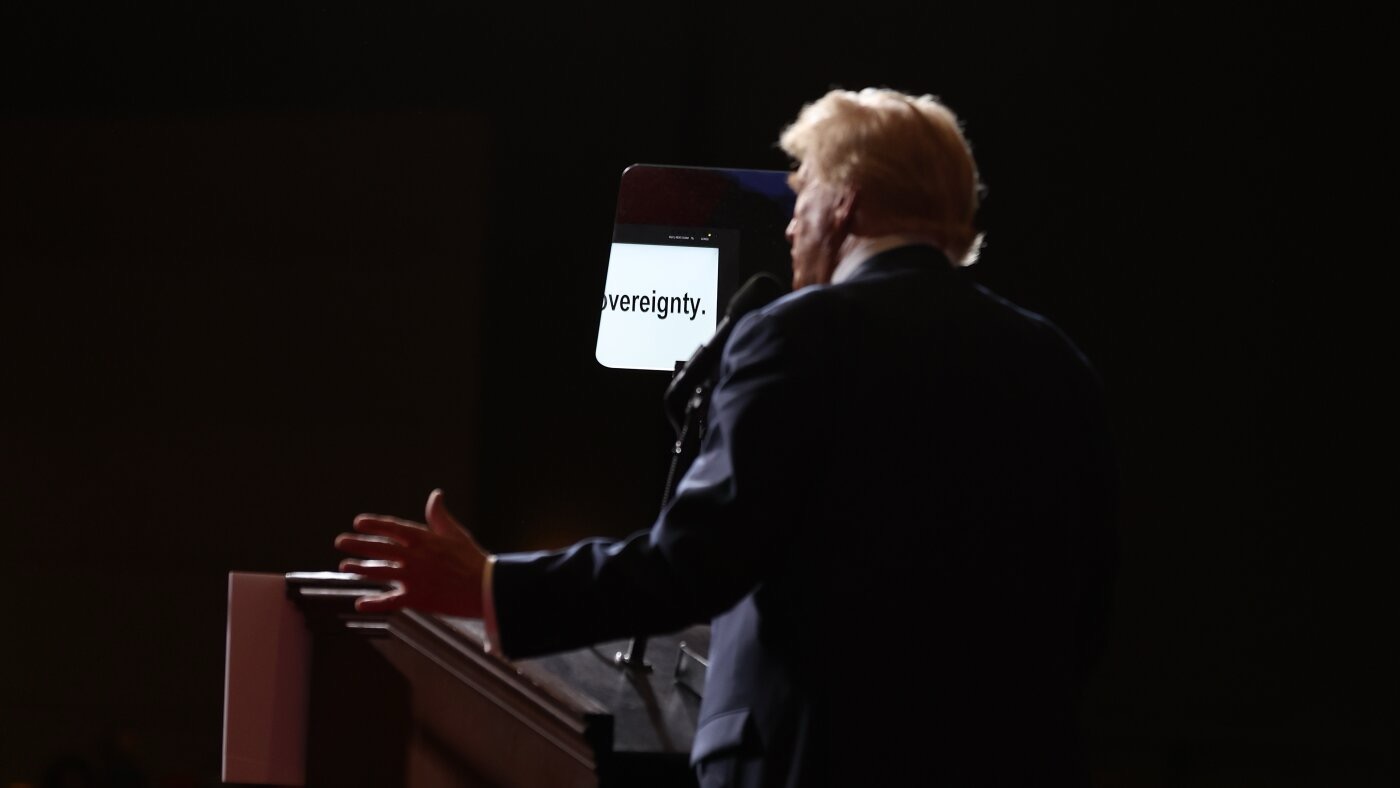
Teleprompter operators play a crucial but largely unseen role in presidential events. They are responsible for preparing, formatting, and managing the electronic text that presidents use during speeches, press conferences, and official ceremonies. As part of their duties, they typically receive access to prepared remarks before they are delivered, allowing them to ensure speeches run smoothly during live appearances.
While teleprompter operators are not involved in policymaking or speechwriting, their work requires them to handle sensitive information that has not yet been made public. Presidential speeches often contain announcements on economic policy, foreign affairs, national security, tariffs, trade agreements, or executive actions—subjects that can influence financial markets, political expectations, and public opinion within minutes of being announced.
The emergence of political prediction markets has added a new ethical dimension to that responsibility. Unlike traditional sports betting, prediction markets allow participants to wager on the outcomes of political, economic, and social events. Traders can place bets on election results, legislative actions, judicial rulings, central bank decisions, and even the specific language or topics that may appear in presidential speeches.
Supporters of prediction markets argue that they provide valuable insights into public expectations and can serve as useful forecasting tools. Critics, however, warn that they create opportunities for individuals with privileged information to profit from events before they become public knowledge.
Ethics experts say the allegations involving Perez highlight a growing challenge for governments around the world. Existing ethics rules were largely developed before prediction markets became widely accessible, leaving agencies to determine how traditional standards should apply to this rapidly evolving form of financial activity.
Although participating in prediction markets is not inherently illegal, government employees are generally prohibited from using confidential or non-public information obtained through their official duties for personal financial gain. Whether Perez violated any laws or ethics regulations will depend on the findings of the ongoing investigation.
Legal experts note that the inquiry is likely to focus on several key questions. Investigators will seek to determine whether Perez had access to information unavailable to the public at the time he placed his bets, whether that information materially affected the outcomes of the wagers, and whether any internal government policies were violated.
The investigation may also examine whether other employees participated in similar activities or whether existing safeguards were sufficient to prevent the misuse of confidential information.
The allegations have prompted renewed calls for stronger ethics policies governing government employees’ participation in financial markets and betting platforms. Some ethics advocates argue that federal agencies should explicitly prohibit employees with access to sensitive information from participating in prediction markets related to their official responsibilities.
Others have suggested expanding financial disclosure requirements or introducing additional compliance training to address emerging technologies and financial products that did not exist when many government ethics rules were first established.
The incident has also attracted attention on Capitol Hill, where lawmakers from both parties have previously expressed concerns about the financial activities of public officials. While much of the recent debate has focused on stock trading by members of Congress, some observers believe prediction markets present similar ethical questions, particularly when government employees possess advance knowledge of policy decisions or official statements.
Financial experts point out that presidential speeches frequently have immediate market consequences. Announcements involving tariffs, government spending, regulations, taxes, interest rates, defense contracts, or international negotiations can influence stock prices, bond markets, commodity prices, and currency values within moments of being delivered.
For that reason, access to presidential speeches is typically restricted to individuals whose responsibilities require them to review or prepare the material before publication.
The White House has stressed that the allegations involve one employee and should not be viewed as representative of the broader administration. Officials have emphasized that White House staff are expected to follow strict ethical guidelines and that violations of those standards are taken seriously.
As the investigation continues, Perez has not publicly commented on the allegations, and no formal charges have been announced. It also remains unclear whether any profits allegedly earned through prediction markets could be subject to recovery or additional legal action.
Regardless of the investigation’s outcome, the case has highlighted the increasingly complex relationship between confidential government information, digital betting platforms, and financial ethics. As prediction markets continue to grow in popularity, governments may face mounting pressure to update ethics rules and establish clearer guidelines for employees with access to sensitive information.
For now, the White House’s decision to place Gabriel Perez on unpaid leave signals that the administration is treating the matter seriously. The findings of the internal review could shape future policies on government ethics and influence how federal agencies respond to the challenges posed by emerging financial technologies in the years ahead.