
In a stunning behind-the-scenes development, senior Chinese officials have quietly acknowledged their government’s role in a series of cyberattacks targeting critical U.S. infrastructure. The admission came during a previously undisclosed diplomatic meeting with U.S. counterparts late last year, signaling a major shift in how Beijing may approach cyber warfare transparency—or at least its strategic signaling.
The cyberattacks, long attributed to a Chinese state-sponsored hacking group known as Volt Typhoon, infiltrated sectors vital to American society, including transportation, energy, communications, and water systems. U.S. officials have described these intrusions as stealthy, sophisticated, and deeply concerning, with some access points reportedly established as far back as five years ago.
While China has publicly denied involvement for months, branding the accusations as politically motivated and unsubstantiated, sources familiar with the matter say the private acknowledgment was more than symbolic. The tone and language used in the meeting, while indirect, left little doubt among U.S. officials that Beijing was signaling both its capabilities and intent amid increasing geopolitical tensions—particularly regarding Taiwan.

This admission, though kept under wraps until now, has already begun to influence internal security discussions in Washington. Top national security and intelligence leaders have intensified their warnings about the fragility of U.S. infrastructure in the face of persistent and state-backed cyber threats. The Pentagon and Department of Homeland Security are said to be reevaluating their defensive postures and cyber readiness across the board.
The strategic implications of the admission are significant. While it remains unclear whether this shift in tone represents a willingness to deescalate or a calculated flex, it has sharpened the focus on the risks of cyber conflict spilling into real-world disruption. Experts warn that with so much of modern life dependent on digital systems, the line between espionage and sabotage is dangerously thin.
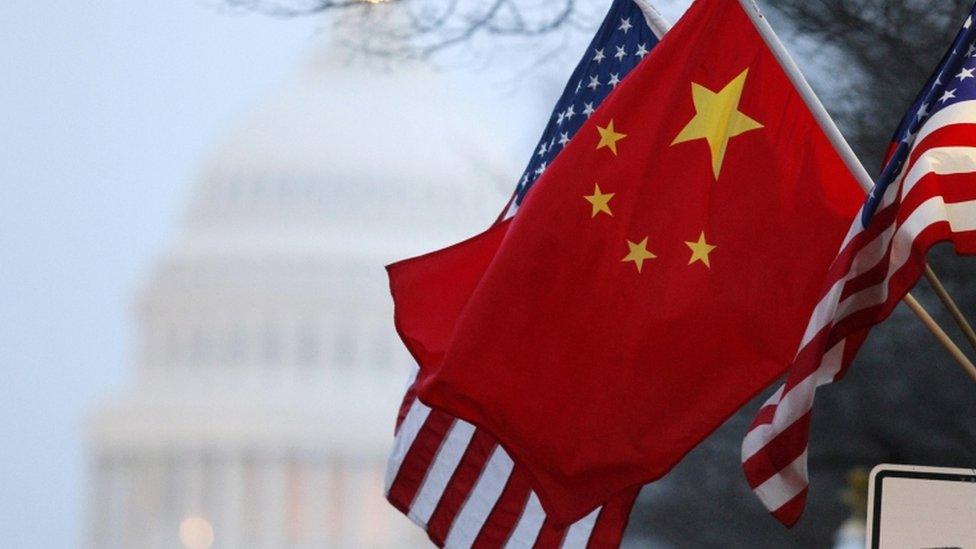
As Washington deliberates its response and fortifies its cyber defenses, all eyes will be on whether Beijing’s quiet admission signals a deeper change—or merely a chilling reminder of the evolving nature of 21st-century warfare.