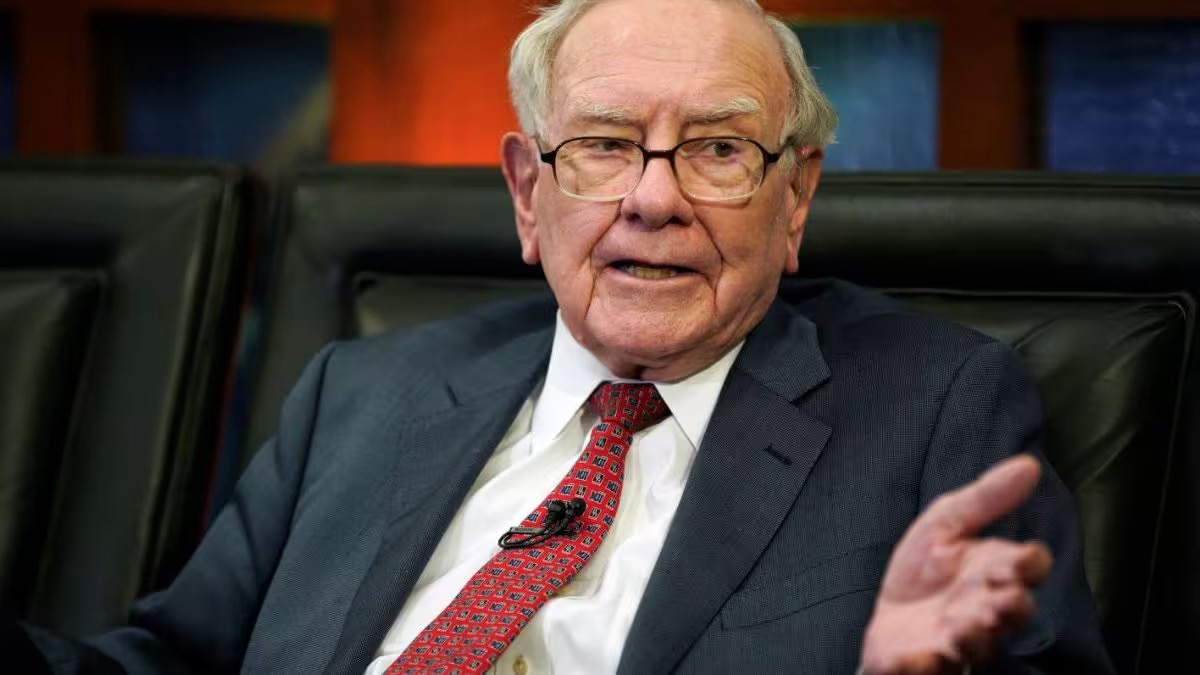
Legendary investor and philanthropist Warren Buffett has removed the Gates Foundation from his annual list of charitable recipients, marking a significant shift in one of the world’s most prominent philanthropic partnerships. The decision comes amid renewed public scrutiny surrounding Bill Gates’ past associations with convicted sex offender Jeffrey Epstein, an issue that has dominated headlines in recent months.
Buffett announced that this year’s charitable donations, valued at approximately $6 billion in Berkshire Hathaway stock, will instead be distributed among four family-linked foundations. The recipients include the Susan Thompson Buffett Foundation, named after his late wife, along with the Sherwood Foundation, the Howard G. Buffett Foundation, and the NoVo Foundation, which are overseen by his children.
The move ends a two-decade tradition in which the Gates Foundation received a substantial portion of Buffett’s annual philanthropic contributions. Since making his historic charitable pledge in 2006, Buffett has donated tens of billions of dollars in Berkshire Hathaway shares to the Gates Foundation, helping it become one of the world’s largest private philanthropic organizations. His contributions have supported initiatives focused on global health, education, poverty reduction, and disease prevention.
The latest decision represents the first time in years that the Gates Foundation has been excluded from Buffett’s annual donations. While Buffett reaffirmed his long-standing commitment to giving away nearly all of his fortune, he indicated that future distributions will be directed through the four family foundations rather than the Gates Foundation.
The announcement follows months of heightened attention surrounding documents related to Jeffrey Epstein. Public interest intensified after the release of additional records concerning Epstein’s network and contacts, prompting renewed discussion about several high-profile individuals, including Bill Gates. Gates has acknowledged meeting Epstein on multiple occasions in the past and has repeatedly expressed regret over those interactions, stating that the meetings were a mistake and that he underestimated the risks associated with maintaining contact.
Importantly, no criminal charges have been brought against Gates in connection with the Epstein matter. However, the renewed attention has generated reputational challenges for both Gates and organizations associated with him, including the Gates Foundation.
Reports indicate that Buffett’s decision reflects concerns about the controversy surrounding the foundation rather than any change in his broader commitment to philanthropy. By redirecting this year’s donations to foundations managed by his family, Buffett is reinforcing a succession plan that has become increasingly central to his charitable strategy.
The 95-year-old billionaire has repeatedly stated that the vast majority of his wealth will be distributed during his lifetime or shortly thereafter. In recent years, he has outlined plans for his three children to play a greater role in overseeing future philanthropic activities, ensuring that his charitable legacy continues through family-led institutions.
Observers say the decision also reflects Buffett’s preference for minimizing reputational risks surrounding his philanthropic giving. Throughout his career, Buffett has emphasized transparency, integrity, and public trust as essential elements of both business and charitable work. Redirecting donations to organizations directly overseen by his family provides greater control over how future grants are managed and distributed.
The Gates Foundation remains one of the largest charitable organizations in the world, with programs spanning more than 100 countries. Its work includes investments in vaccine development, infectious disease research, agricultural innovation, education, sanitation, maternal health, and poverty alleviation. Despite the latest development, the foundation continues to maintain substantial financial resources and ongoing commitments to global humanitarian initiatives.
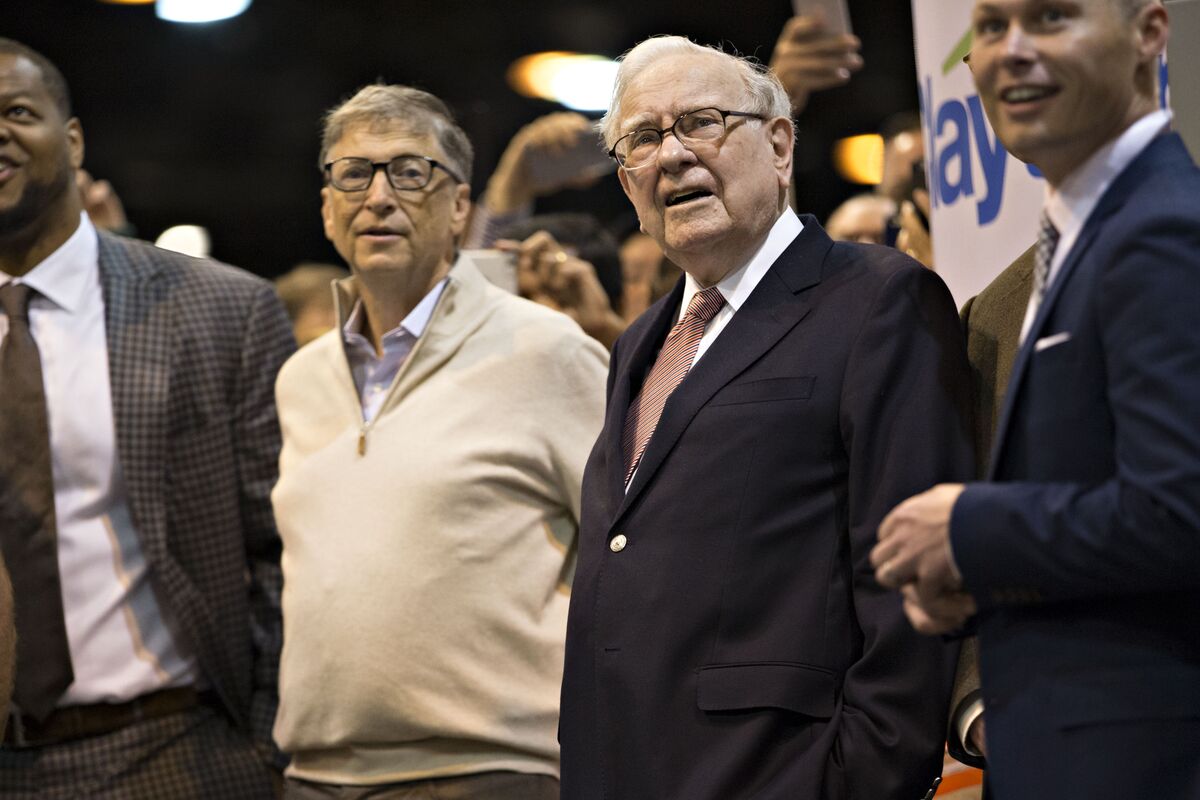
For many years, the partnership between Buffett and Bill Gates was regarded as one of the defining collaborations in modern philanthropy. The two billionaires worked closely on charitable initiatives and co-founded the Giving Pledge, an effort encouraging the world’s wealthiest individuals to commit the majority of their fortunes to philanthropic causes. Their shared vision helped inspire hundreds of billionaires worldwide to publicly pledge significant charitable giving.
However, their relationship has evolved over time. Buffett had previously indicated that the management of his remaining wealth would eventually transition away from the Gates Foundation and toward charitable organizations overseen by his children. The latest announcement accelerates that shift while arriving during a period of heightened public attention surrounding Gates.
Financial analysts note that Buffett’s decision is unlikely to affect Berkshire Hathaway’s operations or investment strategy. Instead, it represents a significant development within the philanthropic sector, where Buffett’s annual donations are closely followed because of their size and influence.
The announcement also highlights the growing importance of governance and public accountability within major charitable organizations. Foundations increasingly face scrutiny not only for how they allocate resources but also for leadership decisions, institutional oversight, and reputational considerations. As public expectations evolve, philanthropic institutions are under greater pressure to demonstrate transparency and maintain public confidence.
Despite removing the Gates Foundation from this year’s list of beneficiaries, Buffett reiterated his unwavering commitment to philanthropy. He confirmed that he intends to continue distributing his Berkshire Hathaway holdings over the coming years, with the goal of donating virtually all of his remaining wealth through the four family-run foundations by the end of 2034.
The decision marks the end of one of philanthropy’s most influential partnerships while signaling the beginning of a new chapter in Buffett’s charitable legacy. As family-led foundations assume a larger role in managing his future donations, attention will likely turn toward how these organizations shape the next generation of large-scale philanthropic initiatives.