Apple’s legal dispute involving OpenAI has sparked widespread discussion across the technology industry, particularly because of one high-profile name missing from the lawsuit: Sir Jony Ive. Widely regarded as one of the most influential industrial designers of the modern era, Ive recently emerged as a key collaborator with OpenAI through his design firm LoveFrom and AI hardware startup io. Despite this association, Apple reportedly chose not to name him in its legal action, a decision that reflects both legal strategy and the company’s enduring relationship with its former design chief.
The omission has led many observers to question why Apple would exclude someone who is now closely linked to one of the companies at the center of the dispute. However, legal experts and industry analysts suggest that the answer lies in the nature of Ive’s role, his professional responsibilities, and the unique relationship he continues to share with Apple.
At the heart of the issue is the distinction between design leadership and operational decision-making. Although Ive has worked with OpenAI on the vision and industrial design of future AI-powered hardware, reports indicate that he has not been directly involved in the technical, engineering, business, or intellectual property decisions that underpin Apple’s legal claims. Instead, his contribution has focused on creating the physical form, user experience, and aesthetic direction of next-generation devices.
In corporate litigation, plaintiffs generally seek to name individuals or entities that are believed to have played a direct role in the actions being challenged. Legal proceedings typically focus on parties whose decisions or conduct are central to the alleged wrongdoing. If an individual’s involvement is limited to advisory or creative responsibilities without influence over the disputed activities, including them in a lawsuit may offer little legal advantage while potentially complicating the case.
This appears to be the reasoning behind Apple’s decision. By keeping the lawsuit narrowly focused, the company can concentrate on the legal issues it believes are most relevant without expanding the scope of the litigation to include individuals whose involvement may be peripheral.
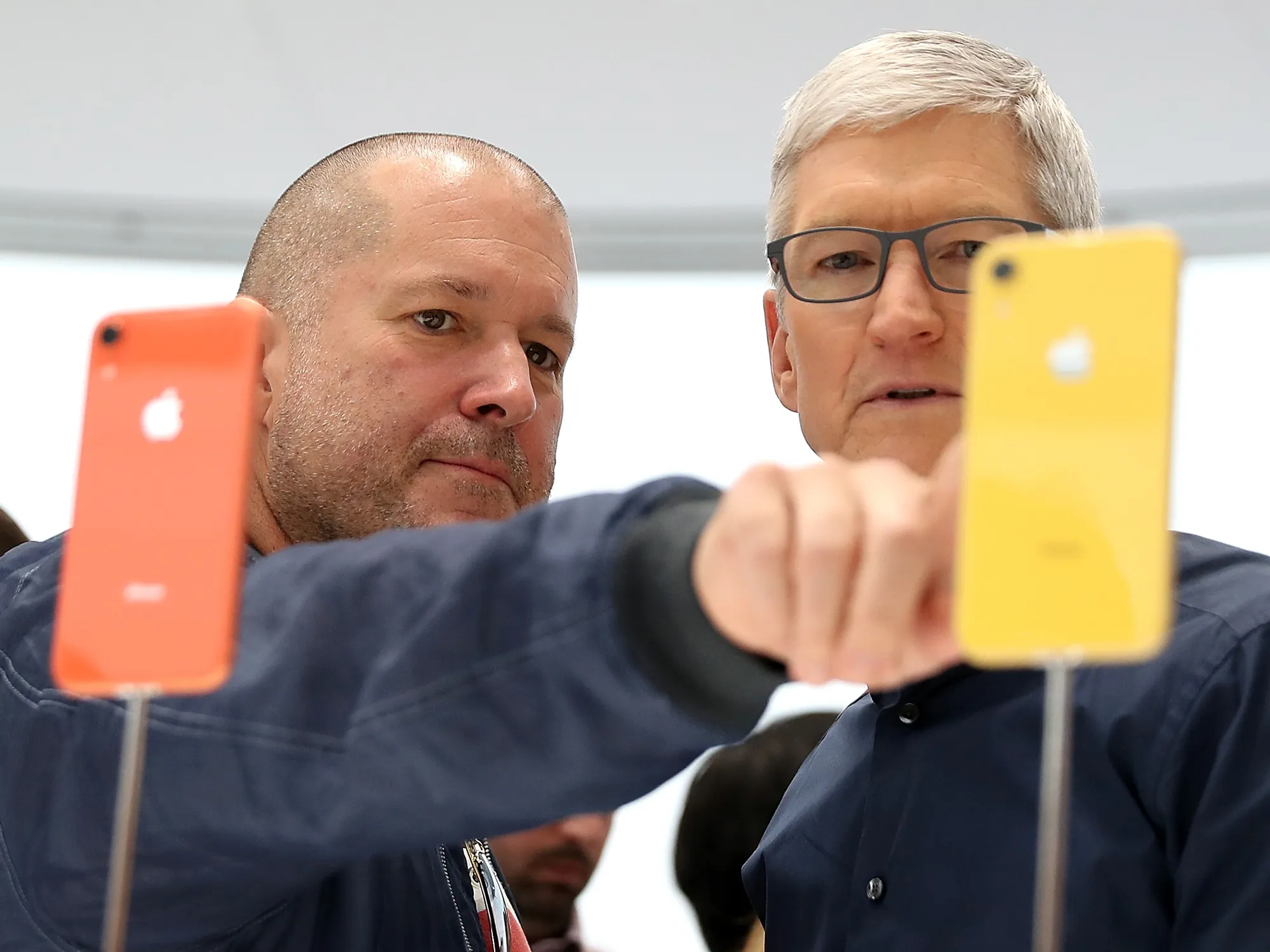
Jony Ive’s longstanding history with Apple also cannot be overlooked. He spent nearly three decades at the company and was instrumental in shaping some of its most iconic products. Working closely with Steve Jobs, Ive helped define Apple’s design philosophy, emphasizing simplicity, elegance, and intuitive usability. His work transformed products such as the iMac, iPod, iPhone, iPad, MacBook, Apple Watch, and AirPods into global design icons that influenced the broader consumer electronics industry.
More than simply designing products, Ive became synonymous with Apple’s identity. His minimalist approach helped establish the company’s premium brand image and set standards that competitors sought to emulate. Because of this legacy, Apple has maintained a level of respect for its former chief designer even after his departure.
When Ive left Apple in 2019 to establish his independent design collective, LoveFrom, the separation was widely described as amicable. Rather than ending their association entirely, Apple continued working with LoveFrom on selected projects for several years. Although that consulting relationship eventually concluded, there has been little public indication of hostility between the two parties.
This enduring professional relationship likely influenced Apple’s legal approach. Naming Ive in a lawsuit could have damaged decades of goodwill and created unnecessary public attention around one of the company’s most celebrated former executives. From a strategic perspective, avoiding such a move allows Apple to preserve its historical association with Ive while still pursuing its legal concerns against other parties.
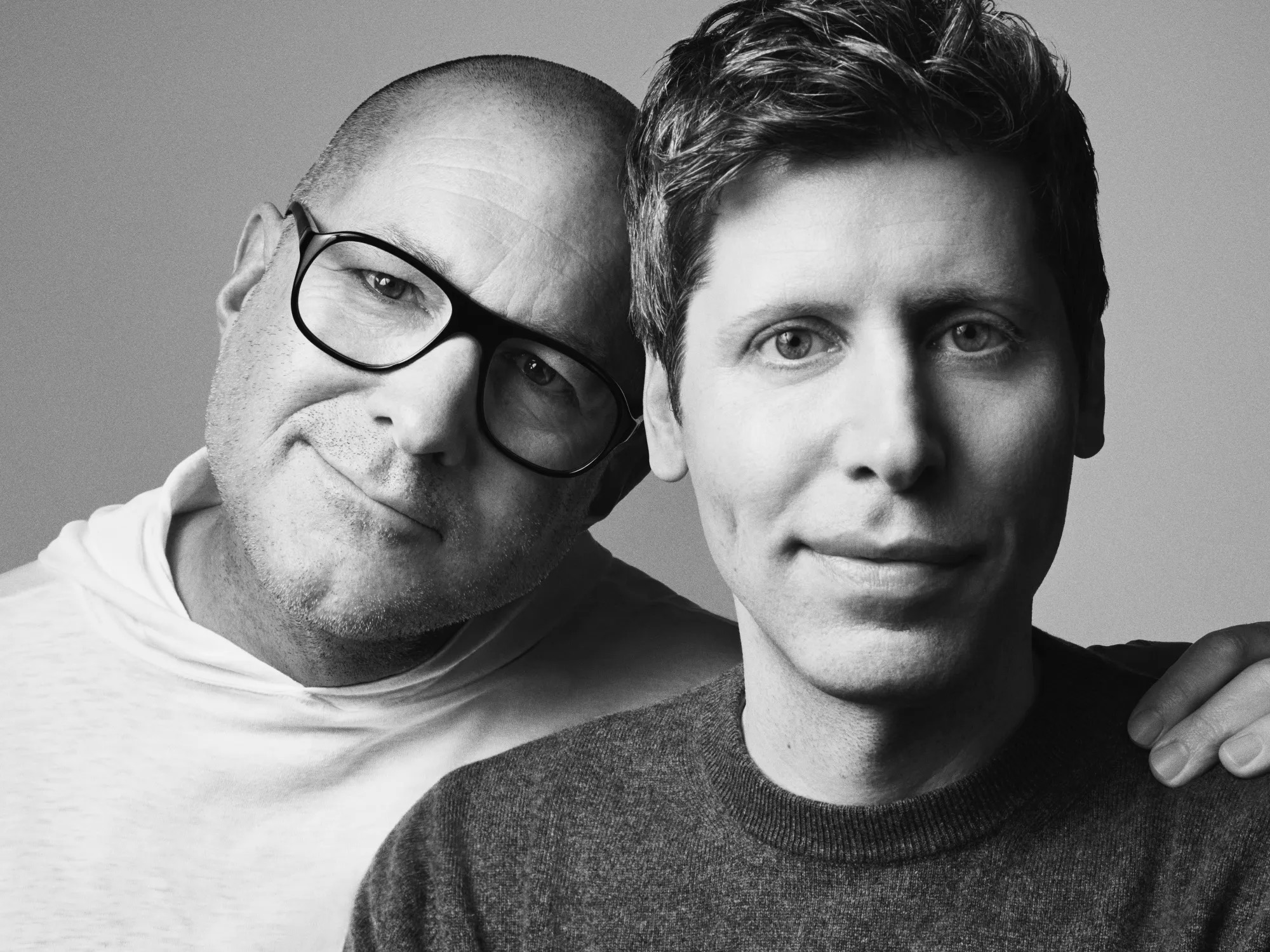
The broader context of the dispute also highlights the growing competition within the artificial intelligence industry. OpenAI has increasingly expanded beyond software and large language models into consumer hardware. Its acquisition of io, the AI hardware startup co-founded by Jony Ive and OpenAI CEO Sam Altman, marked a significant step toward building AI-native devices designed specifically for a future in which artificial intelligence becomes deeply integrated into everyday life.
The collaboration between Altman and Ive has attracted considerable interest because it combines cutting-edge AI research with world-class industrial design expertise. While few details have been revealed about the products currently under development, expectations are high that the partnership aims to create entirely new categories of consumer devices rather than simply competing with existing smartphones or computers.
For Apple, this represents the emergence of a potentially formidable competitor. The company has long dominated the premium consumer electronics market through tightly integrated hardware and software ecosystems. As AI increasingly becomes central to personal computing, companies capable of combining advanced artificial intelligence with elegant hardware design could reshape the competitive landscape.
Even so, competition alone does not necessarily justify legal action against every individual associated with a rival project. Corporate lawsuits are generally built around specific legal claims rather than market rivalry. If Apple’s allegations concern business practices, contractual obligations, intellectual property, or corporate conduct, the company must demonstrate how each named defendant contributed to those issues. Reports suggest that Ive’s design-focused role did not meet that threshold.
Another practical consideration is reputational risk. High-profile lawsuits involving respected industry figures often attract significant public scrutiny. Including a globally admired designer such as Ive could shift media attention away from the legal arguments themselves and toward the personal relationship between Apple and one of its most influential former executives. By excluding him, Apple keeps the focus on the substance of its claims rather than inviting speculation about personal disputes.
The decision also reflects a broader principle in corporate governance: companies often seek to preserve valuable professional relationships even when strategic interests diverge. Former executives frequently go on to establish competing ventures, advise rival firms, or launch new businesses. Unless their actions directly create legal liability, organizations may choose not to pursue them personally.

As the AI hardware race accelerates, the relationship between Apple, OpenAI, and Jony Ive will continue to attract close attention from industry observers. Apple’s decision not to name Ive in its lawsuit illustrates how legal strategy, corporate history, and personal legacy can intersect in complex ways. While the company appears determined to protect its interests through the courts, it has also demonstrated a willingness to distinguish between individuals who play creative roles and those it believes bear direct legal responsibility.
Ultimately, the omission underscores that Apple’s dispute is not with Jony Ive’s celebrated design legacy but with the specific issues at the center of its legal claims. As artificial intelligence reshapes the future of consumer technology, this nuanced approach may prove just as significant as the lawsuit itself.