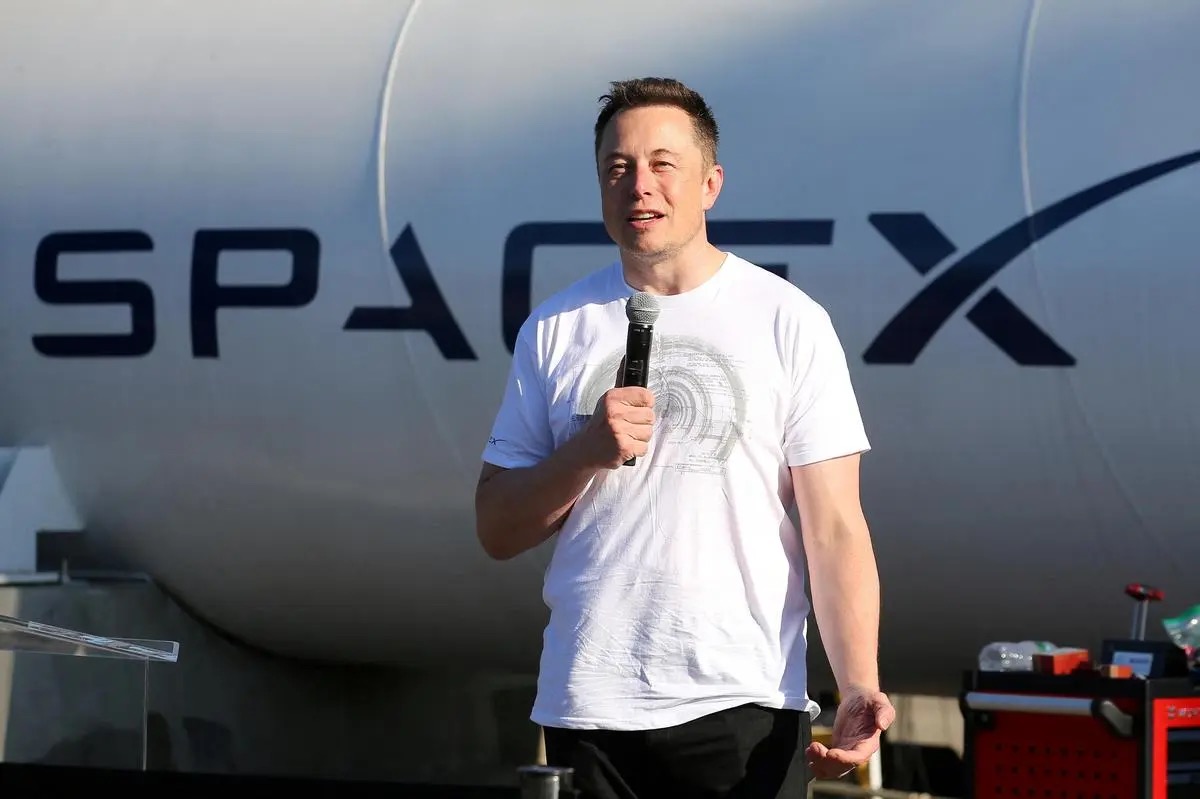
SpaceX has suffered a dramatic blow in the stock market, with its shares falling to a new all-time low and erasing nearly $1 trillion in market value over the past month. The sharp decline marks one of the steepest losses for a newly public technology company in recent years, reflecting growing investor concerns over the company’s valuation, operational delays, and uncertain near-term growth prospects.
The decline comes just weeks after SpaceX made its highly anticipated public market debut, an event that was celebrated as one of the biggest initial public offerings in history. Investor enthusiasm initially drove the company’s valuation to unprecedented levels, fueled by expectations that SpaceX would dominate the commercial space industry while expanding its Starlink satellite internet business and pioneering next-generation space transportation through its Starship program.
However, the optimism that surrounded the company’s listing has quickly faded. Shares have steadily declined over the past several weeks, eventually falling below their initial offering price. The sustained selloff has wiped out approximately $1 trillion in market capitalization, leaving investors questioning whether the company had been priced too aggressively from the outset.
Market analysts say the latest downturn reflects a combination of technical setbacks, profit-taking by early investors, and broader concerns about the sustainability of high-growth technology valuations.
One of the biggest catalysts behind the recent decline has been the delay of a highly anticipated Starship launch. The company postponed the mission after engineers detected technical issues involving two of the rocket’s Raptor engines during pre-launch inspections. Rather than proceed with the scheduled launch, SpaceX decided to replace the engines and conduct additional testing to ensure the rocket met its safety standards.
While many aerospace experts praised the company’s decision to prioritize safety over schedule, investors reacted negatively to the delay. Starship is viewed as the centerpiece of SpaceX’s long-term business strategy and future revenue generation. The massive fully reusable rocket is expected to play a critical role in expanding Starlink deployments, supporting NASA’s Artemis lunar missions, launching larger commercial payloads, and eventually enabling missions to Mars.
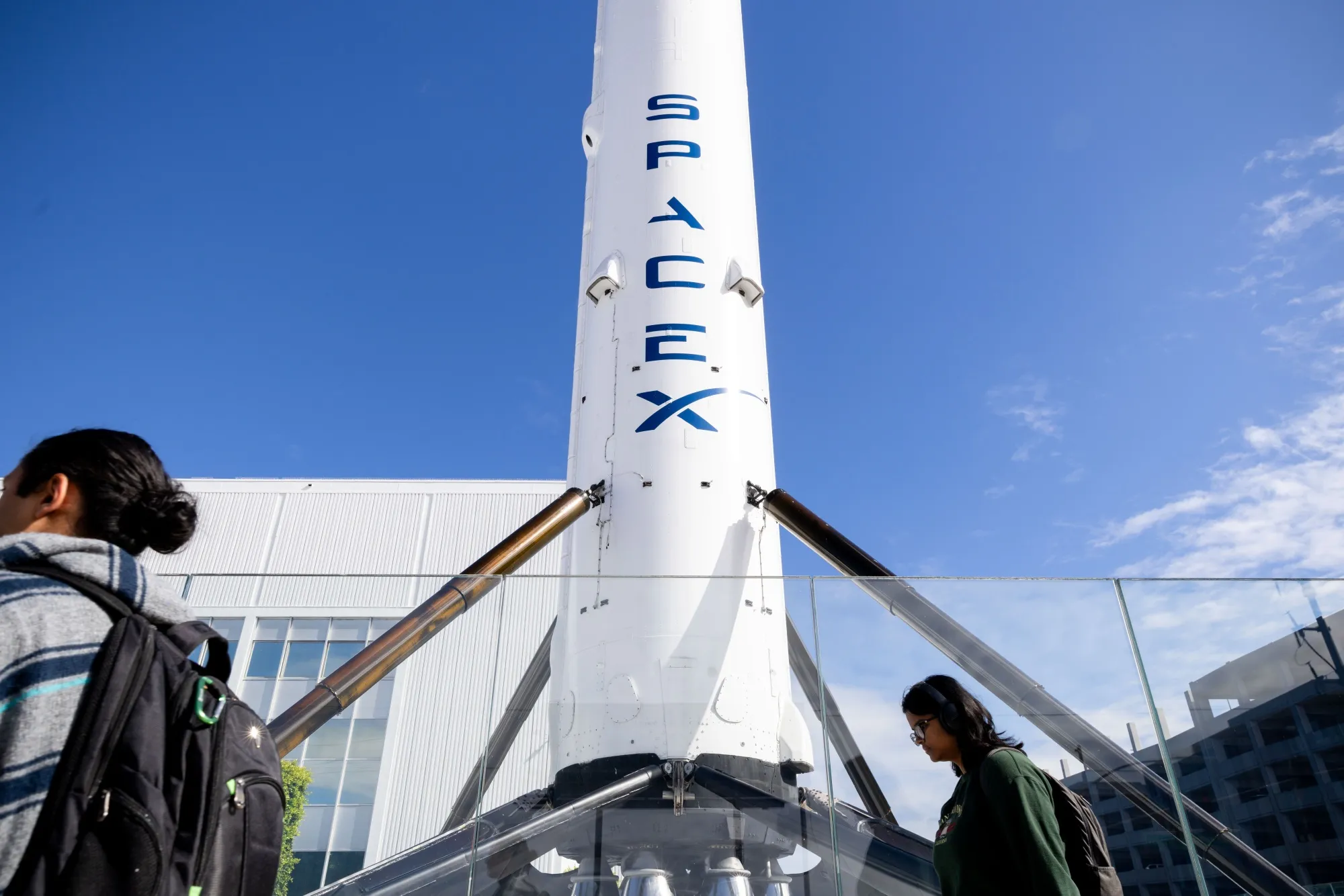
Because so much of SpaceX’s future growth story depends on Starship becoming operational at scale, even relatively minor delays can have an outsized impact on investor confidence.
Beyond the launch postponement, concerns have also emerged over the company’s lofty valuation. Even after losing $1 trillion in market value, SpaceX remains one of the world’s most valuable publicly traded companies. Some analysts believe the company’s share price continues to reflect years of future growth that has yet to materialize.
Supporters argue that SpaceX deserves a premium valuation because of its leadership in reusable rocket technology, satellite communications, and space infrastructure. They point to the company’s successful Falcon rocket family, the rapid expansion of the Starlink satellite internet network, and its growing list of government and commercial launch contracts as evidence of its long-term potential.
Critics, however, believe investors became overly optimistic following the company’s public listing. They argue that many of the business opportunities supporting the company’s valuation—including deep-space exploration, large-scale Starship operations, and future commercial space infrastructure—remain years away from generating substantial profits.
The broader market environment has also contributed to the decline. Technology stocks have experienced increased volatility in recent weeks as investors reassess high-growth companies trading at elevated valuations. Rising caution across the sector has particularly affected companies whose valuations rely heavily on future expectations rather than current earnings.
As investors rotate toward more profitable and stable businesses, speculative growth stocks have come under increasing pressure. SpaceX, despite its technological achievements, has not been immune to this broader shift in market sentiment.
Another factor weighing on the stock is the approaching expiration of insider lock-up restrictions. Once these restrictions expire, company employees, executives, and early investors will be allowed to sell shares that have been locked up since the company’s public debut.
Although insider selling is common after major IPOs and does not necessarily indicate a lack of confidence in the business, investors often worry that a sudden increase in available shares could create additional selling pressure. The possibility of millions of new shares entering the market has added to concerns about near-term price stability.
Meanwhile, short sellers have become increasingly active, betting that SpaceX shares could continue to decline. The rise in bearish positions reflects growing skepticism about whether the company can justify its valuation amid execution challenges and uncertain market conditions.
Despite the recent losses, many analysts remain optimistic about SpaceX’s long-term future. They argue that the company’s competitive advantages remain intact, including its unmatched launch capabilities, rapidly growing satellite internet business, strong government partnerships, and ambitious technological roadmap.
SpaceX continues to dominate the global commercial launch market, carrying satellites, cargo, and astronauts into orbit more frequently than any other private company. Its Starlink constellation has expanded internet access across numerous countries and remains one of the fastest-growing satellite communication networks in the world.
The company is also deeply involved in NASA’s Artemis program, with Starship expected to serve as the lunar landing vehicle for future crewed Moon missions. Success in these programs could significantly strengthen SpaceX’s financial position over the coming decade.
For Chief Executive Elon Musk, the market decline represents another reminder of how quickly investor sentiment can change. While the falling share price has reduced the value of his personal holdings, Musk has repeatedly emphasized that SpaceX remains focused on engineering excellence and long-term innovation rather than short-term market fluctuations.
:max_bytes(150000):strip_icc()/GettyImages-2280589225-f75ea186337f439b9f1610055b926bb7.jpg)
He has maintained that developing reliable and fully reusable space transportation systems requires patience, rigorous testing, and a willingness to delay launches when technical issues arise.
Investors will now closely watch the company’s next Starship launch attempt, future quarterly financial performance, and the pace of Starlink’s continued expansion. Any successful demonstration of Starship’s capabilities could help restore confidence and revive investor enthusiasm.
For now, however, SpaceX faces one of its biggest tests since entering the public markets. The loss of nearly $1 trillion in market value underscores both the immense expectations surrounding the company and the challenges of sustaining them. While the long-term vision of making space more accessible remains unchanged, the recent stock market turmoil highlights that even the world’s most celebrated innovators are not immune to shifts in investor confidence and market realities.