
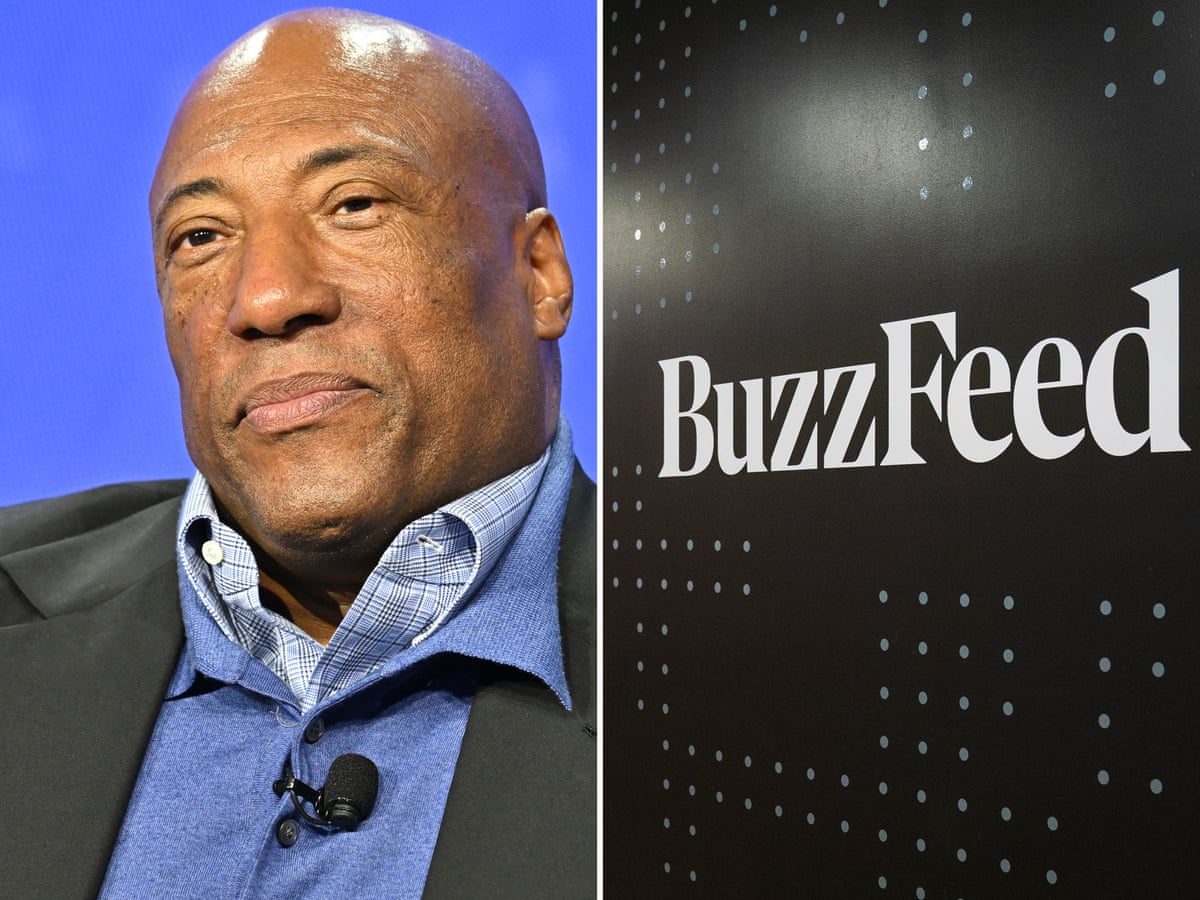
BuzzFeed is set to lay off approximately 35% of its workforce in the first major restructuring initiative since media entrepreneur Byron Allen took control of the company. The decision marks a significant turning point for the digital media publisher as its new leadership embarks on a sweeping effort to streamline operations, reduce costs, and reposition the company for long-term growth in an increasingly competitive media landscape.
The layoffs are expected to impact employees across several divisions, including editorial, content production, engineering, product development, advertising, and corporate operations. Company executives described the move as part of a broader restructuring strategy aimed at creating a leaner organization that is better equipped to navigate changing market conditions and evolving consumer preferences.
The announcement comes shortly after Byron Allen completed the acquisition of BuzzFeed, ending a new chapter for the company that was once regarded as one of the internet’s biggest digital publishing success stories. Allen, founder of Allen Media Group, has built an extensive media empire spanning television networks, local broadcast stations, digital platforms, and weather services. His acquisition of BuzzFeed reflects an effort to expand further into digital publishing while integrating the company’s brands into his broader media portfolio.
Founded in 2006, BuzzFeed rose to prominence by redefining online content. The company became synonymous with viral quizzes, listicles, entertainment features, lifestyle reporting, and social media-friendly storytelling that attracted millions of readers worldwide. As its audience grew, BuzzFeed expanded into investigative journalism, video production, food content through its Tasty brand, and news reporting through BuzzFeed News.
At its peak, BuzzFeed was viewed as one of the pioneers of digital journalism and online entertainment. Its innovative approach to content distribution helped shape the way media organizations interacted with audiences across platforms such as Facebook, YouTube, Instagram, and later TikTok. The company’s ability to identify internet trends and create highly shareable content made it one of the most recognizable digital media brands of the past decade.
However, the digital media industry has undergone dramatic changes in recent years. Online advertising, once the primary source of revenue for many publishers, has become increasingly dominated by major technology companies. Changes to social media algorithms have reduced referral traffic to news websites, while audiences have shifted toward creator-driven content, short-form videos, podcasts, and subscription-based services.
These industry-wide challenges significantly affected BuzzFeed’s financial performance. The company experienced slowing advertising growth, declining website traffic, and increased competition from independent content creators and emerging digital platforms. Like many media organizations, BuzzFeed found itself under pressure to reduce costs while searching for new revenue streams capable of supporting sustainable growth.
In response to these challenges, BuzzFeed implemented several restructuring measures over the past few years. It reduced its workforce through multiple rounds of layoffs, consolidated business operations, and ultimately shut down BuzzFeed News, its Pulitzer Prize-winning journalism division. While these measures helped lower operating expenses, they also reflected the broader difficulties facing digital-first publishers attempting to adapt to a rapidly changing media environment.
The latest workforce reduction represents the most significant organizational change since Byron Allen assumed leadership. According to company executives, the restructuring is intended not simply as a cost-cutting exercise but as part of a comprehensive transformation strategy. The company plans to focus resources on its strongest-performing brands while investing in new technologies and business opportunities that can generate long-term value.
One of the key priorities under the new leadership is expected to be the integration of artificial intelligence into content creation and publishing workflows. BuzzFeed has previously experimented with AI-powered tools to generate quizzes, personalize recommendations, and assist in content production. As AI technologies continue to reshape the publishing industry, the company is expected to expand their use to improve operational efficiency and deliver more personalized experiences for readers.
At the same time, executives have emphasized that AI is intended to support rather than replace human creativity. Editorial oversight, fact-checking, and original reporting will remain essential components of the company’s publishing strategy. Nevertheless, the increasing use of automation reflects a broader trend across the media industry, where publishers are seeking ways to improve productivity while managing rising operational costs.
The restructuring has understandably generated concern among employees and media observers. Large-scale layoffs not only affect the livelihoods of those directly impacted but can also influence morale across the organization. Industry analysts note that maintaining employee confidence and preserving editorial quality will be critical as BuzzFeed works to rebuild under new ownership.
For employees leaving the company, management has stated that severance packages, career transition assistance, and other support services will be provided. While such measures cannot eliminate the impact of job losses, they are intended to help affected workers navigate the transition to new opportunities.
The announcement also highlights the continuing transformation of the digital media sector. Across the industry, publishers are reevaluating traditional business models in response to declining advertising revenues and changing audience behavior. Companies are increasingly investing in streaming platforms, newsletters, podcasts, live events, creator partnerships, e-commerce, and subscription products to diversify income and reduce dependence on advertising alone.
Byron Allen’s leadership is expected to bring a more diversified approach to BuzzFeed’s operations. With experience across television, digital media, and advertising, Allen is likely to explore opportunities that connect BuzzFeed’s established brands with his existing media businesses. This could include expanded video production, free ad-supported streaming content, branded entertainment, and new commercial partnerships designed to broaden the company’s revenue base.
Despite the significant workforce reduction, company leadership remains optimistic about BuzzFeed’s future. Executives believe the restructuring will create a stronger financial foundation, allowing the company to invest more effectively in innovation, technology, and audience engagement. Whether those efforts succeed will depend on BuzzFeed’s ability to balance efficiency with creativity while maintaining the distinctive voice that helped make it one of the internet’s most influential publishers.
As the digital media landscape continues to evolve, BuzzFeed’s latest restructuring serves as another reminder of the profound changes reshaping the publishing industry. The company that once revolutionized online content is now entering a new phase under Byron Allen’s ownership, with a leaner workforce and a renewed focus on adapting to the future of digital media. Whether this transformation can restore sustainable growth will be closely watched by employees, investors, and the broader media industry in the months ahead.