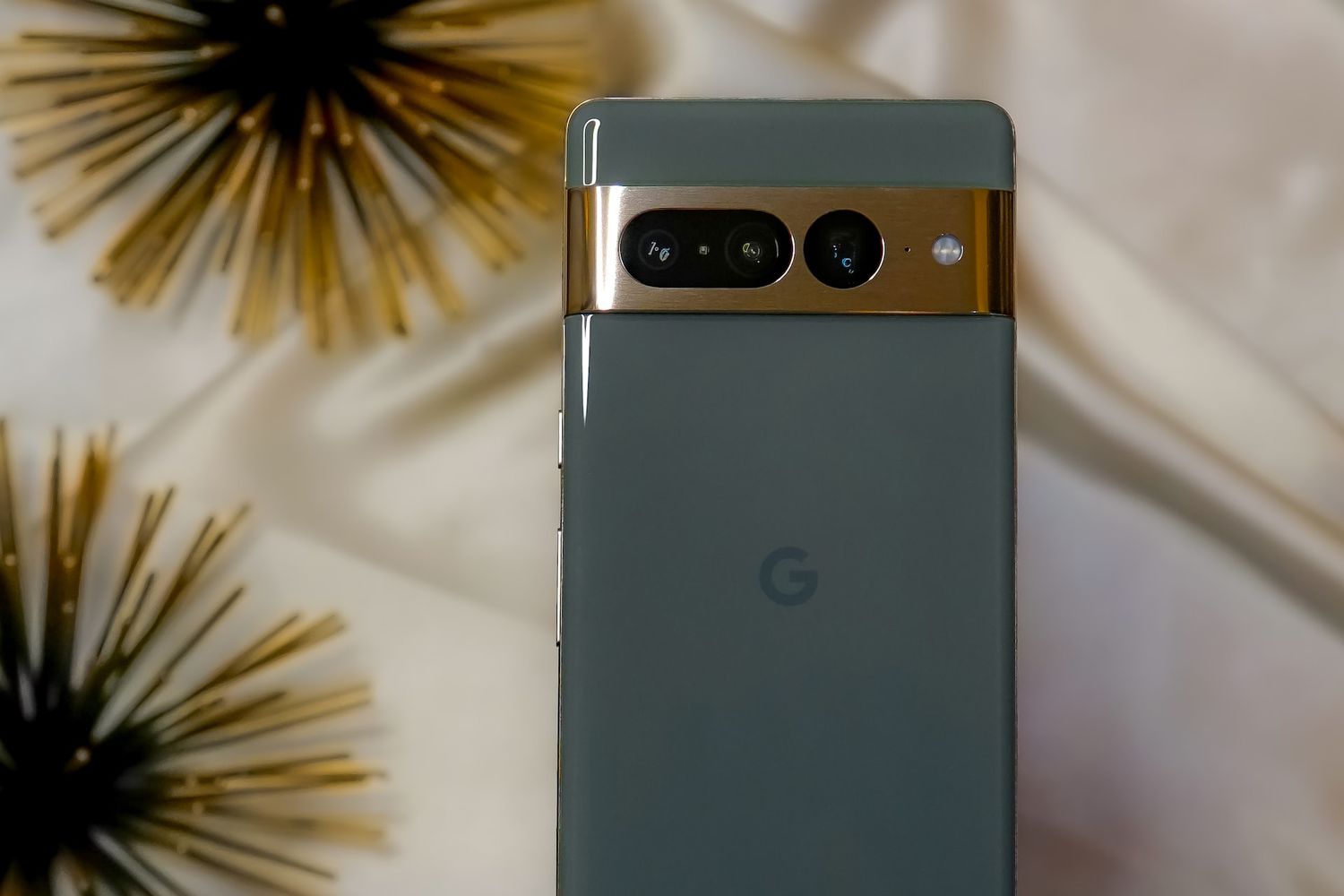
Speculation is rife in the tech community as rumors suggest that the upcoming Google Pixel 8 smartphone might feature a groundbreaking “Magic Eraser” for audio, ushering in a new era of sound customization and enhancement. If these reports hold true, Google could once again set a new benchmark for smartphone innovation.
The Pixel lineup has gained renown for its emphasis on photography and software capabilities, often leveraging Google’s prowess in AI and machine learning. However, if the latest leaks are anything to go by, the Pixel 8 might take a significant step forward in revolutionizing audio experiences on smartphones.

According to insider sources, Google is reportedly developing an innovative feature referred to as the “Magic Eraser.” This technology is purported to provide users with the ability to remove or enhance specific elements from the audio they capture, creating an unprecedented level of control over recorded sound. Imagine being able to erase unwanted background noise from your recordings or boosting the volume of a particular voice in a crowded setting – the potential applications are vast and exciting.
While details on the technical aspects of the “Magic Eraser” are scarce, industry experts speculate that it could involve advanced noise cancellation algorithms, spatial audio enhancements, and adaptive filtering techniques. Google’s history of integrating AI-driven features into its Pixel devices lends credence to the feasibility of such an ambitious audio innovation.
The “Magic Eraser” could not only elevate the quality of audio recordings but also have far-reaching implications for content creators, podcasters, journalists, and everyday users who demand crystal-clear sound in their recordings. Additionally, it could enhance the user experience during phone calls and video chats, especially in noisy environments.
However, it’s worth noting that such advanced audio features may come with challenges. Implementing sophisticated audio processing algorithms could demand more processing power, potentially impacting battery life and device performance. Striking the right balance between innovation and practicality will be a key consideration for Google’s engineers.
As the anticipation grows, tech enthusiasts eagerly await official announcements from Google regarding the Pixel 8 and its rumored “Magic Eraser” technology. The potential for such a feature to reshape the way we capture and experience audio on smartphones is undeniable.
In a fiercely competitive market, smartphone manufacturers continually strive to differentiate themselves through unique features and functionalities. If the Google Pixel 8 does indeed debut with a “Magic Eraser” for audio, it could solidify Google’s position as a pioneer in smartphone innovation and inspire other manufacturers to push the boundaries of what’s possible in the realm of mobile audio.*