In a groundbreaking development, Julian Assange, the enigmatic founder of WikiLeaks, finds himself teetering on the precipice of American imprisonment. This latest twist in his tumultuous journey has ignited a firestorm of debates surrounding the very foundations of press freedom, the evolving role of whistleblowers, and the delicate balance between national security and the public’s right to information.
Assange’s saga, spanning nearly a decade, has been marked by dramatic turns and global controversy. Seeking sanctuary within the confines of the Ecuadorian Embassy in London, he managed to elude extradition to Sweden, where he faced charges of sexual assault. During his time in the embassy, WikiLeaks continued its audacious work, releasing a torrent of classified documents that thrust the organization into the international spotlight and reshaped the discourse on governmental transparency and accountability.
The year 2019 brought an abrupt end to Assange’s asylum when Ecuador withdrew its protection, leading to his apprehension by British authorities. Almost immediately, the United States submitted an extradition request, setting the stage for a high-stakes legal battle. The charges against Assange encompassed alleged violations of the Espionage Act, an offense that carries significant weight within the realm of national security.
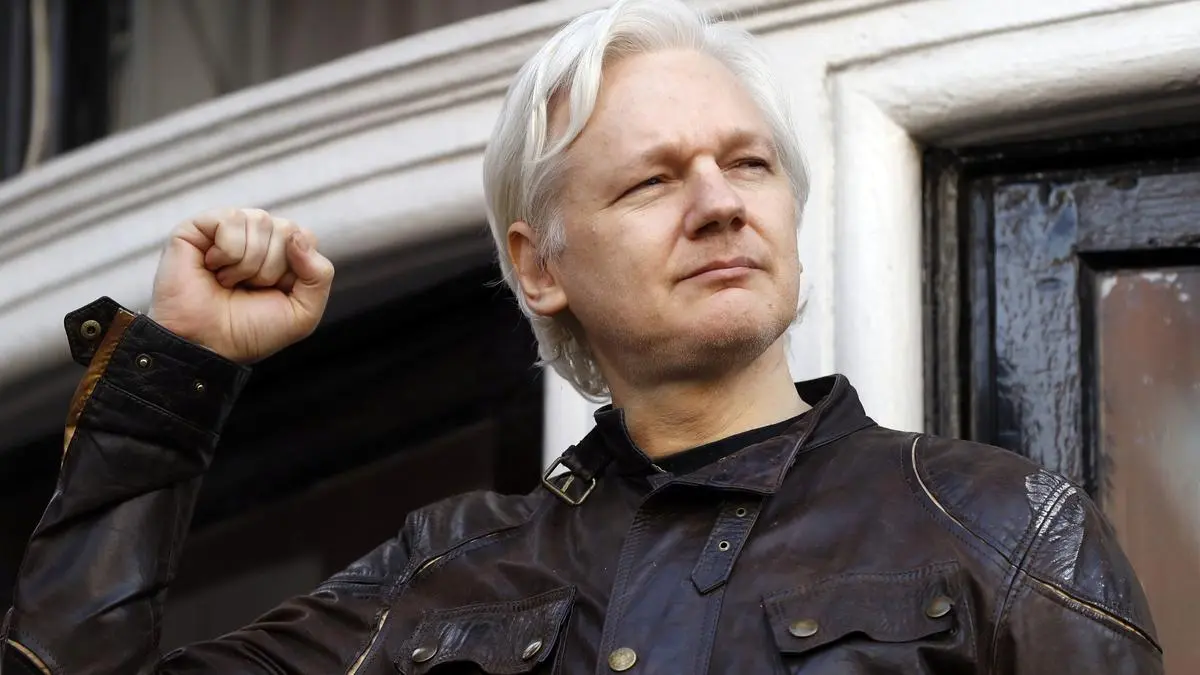
After a protracted legal ordeal, a recent pronouncement by a UK court has brought Assange a decisive step closer to the American prison system. This landmark ruling has propelled the global conversation into uncharted territory, pushing the boundaries of what constitutes journalism and shedding light on the intricate interplay between the public’s right to information and the safeguarding of national interests.
Supporters of Assange rally behind his cause, championing him as a valiant crusader for truth, a journalist on a quest to expose government malfeasance. They argue that his actions, though controversial, serve the greater good of holding power to account and fostering a culture of transparency. To them, his potential extradition represents an alarming assault on press freedom and a chilling blow to investigative journalism worldwide.
However, detractors contend that Assange’s deeds transcend the realm of journalism, veering into the treacherous terrain of criminality. They argue that his indiscriminate release of classified information jeopardized the lives of countless individuals and compromised sensitive intelligence operations. From this vantage point, Assange’s extradition is seen as a necessary step towards ensuring the integrity of national security measures and deterring future breaches that could have far-reaching consequences.
Yet, beyond the polarized narratives surrounding Assange’s fate lies a broader reckoning with the nature of the digital age. This unprecedented case challenges societies to redefine their legal frameworks, as technological advancements continuously reshape the landscape of information dissemination. Striking the right balance between safeguarding national security and upholding the principles of press freedom and the public’s right to know remains a complex, ever-evolving task.
As the legal battle rages on, Assange’s legal team is poised to employ every available avenue for appeal, denouncing the charges as politically motivated and the United States’ judicial system as inherently biased. They raise legitimate concerns about potential human rights abuses and the harsh realities Assange may face within the confines of an American penitentiary.
The outcome of Assange’s extradition proceedings carries immense weight, transcending the individual to redefine the future of journalism, whistleblower protection, and the delicate equilibrium between national security imperatives and the people’s right to access information. Regardless of the ultimate destination of this emblematic figure, the saga of Julian Assange serves as an unprecedented chapter in the annals of modern history, offering poignant reflections on the complexities, ethical dilemmas, and profound transformations brought forth by the digital era.