In a significant move highlighting the global concern over the spread of misinformation, European regulators have given the CEO of TikTok, Shou Zi Chew, 24 hours to respond to allegations of the platform disseminating misleading content related to the Israel-Hamas conflict. This ultimatum comes as part of a broader effort to hold tech companies accountable for their role in sharing potentially harmful and inaccurate information.
The controversy surrounding TikTok’s content related to the Israel-Hamas war emerged after several European governments and concerned citizens reported that the platform had been used to spread false and incendiary information. The European Union (EU) and national regulatory bodies have been closely monitoring the situation, leading to this ultimatum.
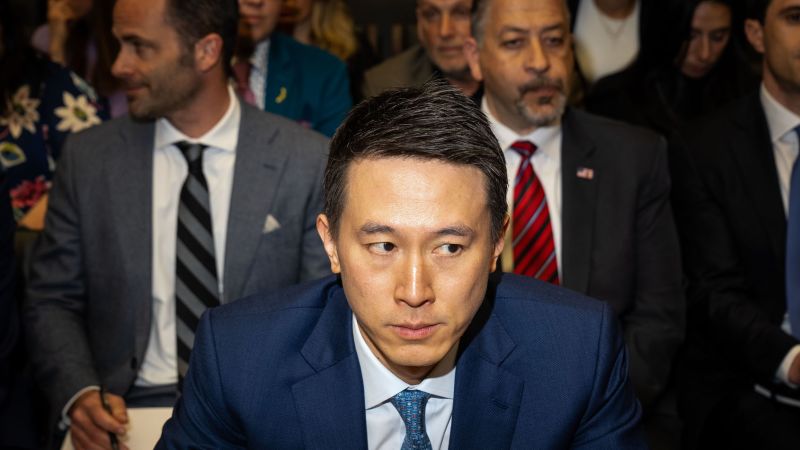
TikTok, a popular short-form video-sharing platform with over 1 billion users worldwide, has faced increasing scrutiny over its content moderation policies and the spread of misleading information. The platform has been criticized for allowing videos that promote hate speech, disinformation, and incitement of violence.
The European Commission, responsible for the implementation and enforcement of the EU’s policies, sent a formal letter to Shou Zi Chew, CEO of TikTok, demanding a response within 24 hours regarding the allegations of misinformation concerning the Israel-Hamas conflict. The letter emphasizes the need for transparency and responsible content moderation practices, particularly during times of international conflict when misinformation can have severe consequences.
In the letter, the European Commission stated, “TikTok’s role as a platform for content sharing carries a great responsibility to ensure that misinformation, hate speech, and content inciting violence are promptly and effectively removed. The allegations of the platform being used to disseminate misinformation about the Israel-Hamas war are deeply concerning and must be addressed urgently.”

The ultimatum requires TikTok to provide a detailed account of its content moderation policies and the actions it has taken to remove or label misleading content related to the Israel-Hamas conflict. Additionally, the European Commission is seeking information about steps the platform plans to take to prevent the spread of such content in the future.
TikTok has not yet responded to the ultimatum, and it remains to be seen how the company will address the allegations. The platform has faced similar scrutiny in other parts of the world, with countries like India, the United States, and Australia taking steps to regulate its operations to prevent the spread of misleading and harmful content.
The demand for accountability from TikTok is part of a broader global effort to address misinformation and disinformation on social media platforms. As the platform’s response unfolds, it will be closely monitored not only by European regulators but also by governments and organizations worldwide looking to ensure the responsible use of technology in the digital age.