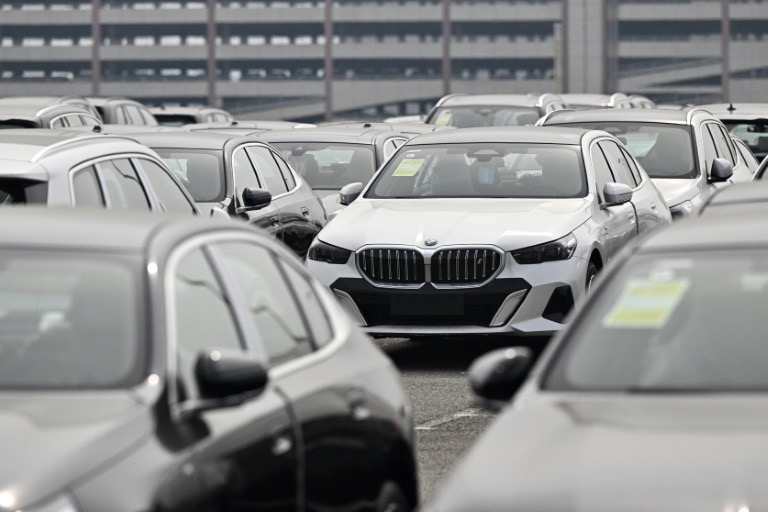
Norway, known for its pioneering efforts in promoting electric vehicles (EVs) and reducing carbon emissions, is now grappling with the unintended consequences of its green transportation revolution. The Scandinavian nation is experiencing a rising concern that its ambitious electric vehicle push may have inadvertently made people more dependent on cars, contrary to its initial environmental goals.
Over the past decade, Norway has successfully incentivized the adoption of electric vehicles with a mix of generous subsidies, tax breaks, and extensive charging infrastructure. These efforts have catapulted the country to the forefront of the global EV revolution, with EVs now accounting for over 70% of all new car sales. It’s a remarkable achievement in terms of reducing greenhouse gas emissions, but it has also triggered a series of unforeseen challenges.
One major concern is the increase in car ownership. As EVs became more affordable and accessible, many Norwegians opted for private car ownership rather than using public transportation or alternative modes of travel. In Oslo, the capital city, traffic congestion has become a growing issue, undermining the city’s air quality and quality of life. Some critics argue that the relentless promotion of EVs inadvertently encouraged people to rely more on cars, exacerbating urban sprawl and traffic congestion.
“In our pursuit of a green future, we may have inadvertently fueled a car addiction,” says Ingrid Skjoldvaer, a transportation policy analyst in Oslo. “The focus on EVs was essential, but it should have been part of a broader strategy to promote sustainable urban mobility.”
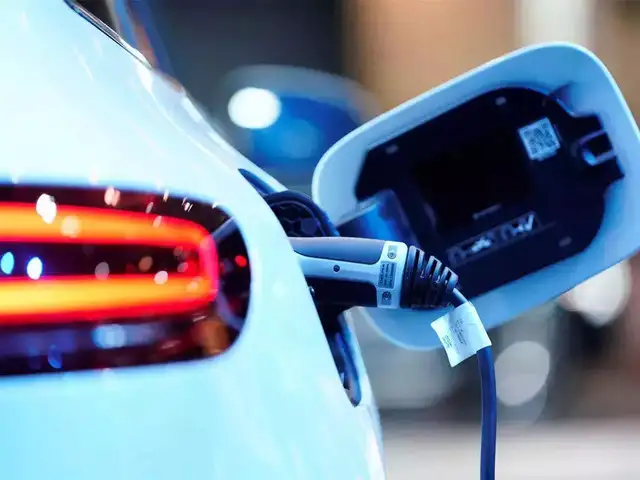
Another consequence of Norway’s EV success is the increasing demand for electricity. The country’s power grid has come under pressure due to the surge in electric vehicles charging simultaneously. To meet this growing demand, Norway has had to invest heavily in upgrading its electrical infrastructure. The higher consumption of electricity also poses challenges for Norway’s hydropower-dependent energy production.
In addition to these challenges, there are concerns that the government’s subsidies and tax incentives for EVs are costing the state substantial revenue, which could have been allocated to other pressing public needs, such as healthcare, education, and public transport.

Despite these challenges, the Norwegian government is not stepping back from its commitment to electric mobility. Instead, it is shifting its focus to a more holistic approach that promotes sustainable transportation. Initiatives include improving public transportation, developing cycling infrastructure, and implementing congestion pricing to discourage unnecessary car trips within cities.
Transport Minister Siv Jensen acknowledged the concerns but emphasized that the country’s efforts to reduce carbon emissions and promote green mobility remain a top priority. “We must continue to balance our commitment to EVs with measures that promote more sustainable and environmentally friendly transportation options,” she stated.
Norway’s experience serves as a valuable lesson for countries around the world considering ambitious electric vehicle adoption targets. The case of Norway illustrates the need for a well-rounded approach to sustainability that not only prioritizes cleaner vehicles but also addresses issues such as urban planning, public transportation, and energy infrastructure. As Norway continues to navigate the challenges associated with its EV policy, it remains a crucial case study for striking the right balance between reducing emissions and preventing overreliance on cars.