In a bold move, a prominent Swedish labour union has announced its decision to halt the collection of Tesla waste, citing concerns over labour practices within the electric car manufacturer’s supply chain. The decision underscores growing scrutiny of multinational corporations and their responsibilities toward fair and ethical labor practices.
Background: The Swedish labour union, representing a significant workforce involved in waste management, logistics, and recycling, has long played a pivotal role in environmental sustainability initiatives. However, recent revelations regarding Tesla’s supply chain practices have prompted the union to reassess its partnership with the electric vehicle giant.

Labour Concerns: The union’s decision is rooted in concerns over reported labor rights violations within Tesla’s supply chain, particularly in relation to mining practices for key materials used in the production of electric vehicle batteries. Allegations of unsafe working conditions, exploitation of labor, and environmental degradation have surfaced, leading the union to take a principled stance against supporting these practices.
Union Statement: In an official statement, the Swedish labour union expressed its commitment to responsible environmental practices and workers’ rights. The union emphasized the need for companies, including Tesla, to adhere to ethical labor standards throughout their supply chains. The decision to cease the collection of Tesla waste is intended to send a strong message about the importance of fair labor practices in the renewable energy and electric vehicle sectors.
Global Repercussions: This move by the Swedish labour union adds to a growing global trend of increased scrutiny on corporations to uphold ethical standards, not only in their primary operations but also in their extended supply chains. As consumers and stakeholders demand greater transparency, companies face increasing pressure to ensure their business practices align with ethical and sustainable principles.
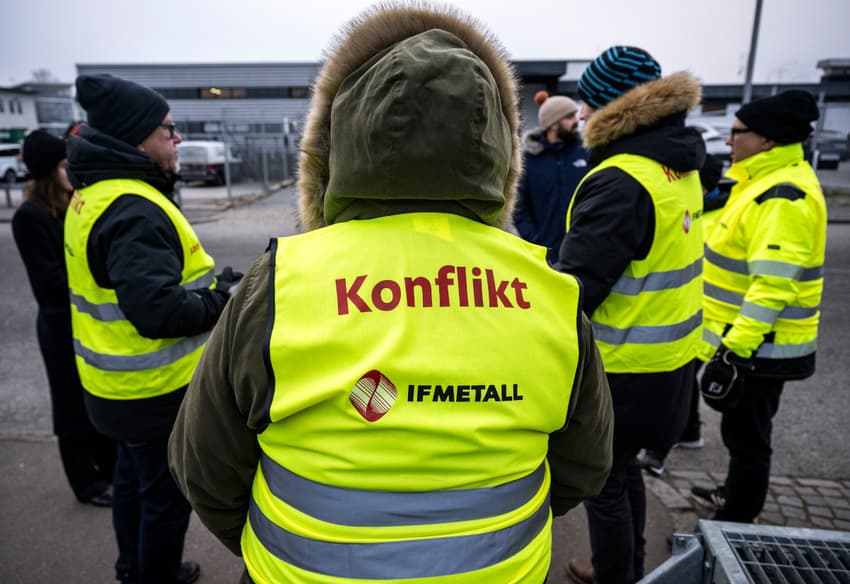
Tesla’s Response: Tesla has not issued an official response to the union’s decision at the time of this report. However, the company has previously faced criticism and legal challenges related to labor practices, and this latest development may intensify calls for greater accountability.
Environmental Impact: The decision to stop collecting Tesla waste carries potential environmental consequences, as responsible waste management and recycling are crucial components of sustainable practices. The union’s move highlights the interconnectedness of environmental and labor issues within the broader context of corporate responsibility.
Industry Watchdog Reaction: Environmental and labor rights organizations have welcomed the union’s stance, viewing it as a significant step toward holding corporations accountable for their impact on both the environment and the workers in their supply chains.

Conclusion: The Swedish labour union’s decision to cease the collection of Tesla waste marks a pivotal moment in the ongoing discourse surrounding corporate responsibility. As companies face increasing scrutiny over their environmental and labor practices, the incident underscores the importance of ethical considerations in the pursuit of a sustainable and socially responsible business model.