In an unexpected hiccup for New Zealand motorists, self-pay gas station pumps across the country experienced a widespread malfunction on Leap Day, leaving many drivers frustrated and inconvenienced. The glitch, attributed to a software issue, resulted in the temporary shutdown of several self-service fuel dispensers.
The Leap Day anomaly, which occurs every four years, seems to have caught the automated systems off guard, revealing a vulnerability in the software that couldn’t handle the extra day in the calendar. The affected gas stations reported issues with processing payments and dispensing fuel, prompting a quick response from both service providers and software developers.
Reports started surfacing in the early hours of February 29, with motorists sharing their experiences on social media. Many users complained of being unable to complete transactions at the self-pay pumps, leading to longer queues and delays at traditional manned stations.
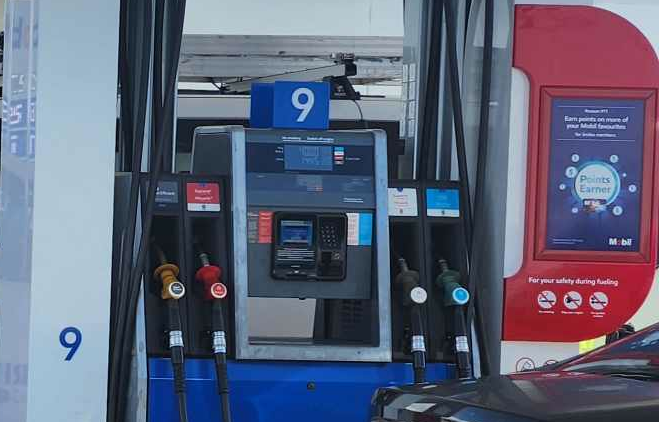
Software engineers from various gas station service providers worked tirelessly to address the glitch promptly. The issue was identified as a date-related bug in the system, as the software failed to recognize February 29 as a valid date, causing disruptions in the payment and fuel dispensing processes.
Gas station operators were quick to assure customers that the glitch was being addressed, and manual alternatives were implemented at affected stations to minimize inconvenience. Staff members were deployed to assist with transactions, ensuring that motorists could still access fuel during the temporary setback.
The software fix was rolled out progressively throughout the day, with many gas stations reporting normal operations by the evening. However, the incident prompted discussions about the reliability and resilience of automated systems, especially those that are time-sensitive.

In a statement, the software developers acknowledged the issue and expressed their commitment to preventing similar incidents in the future. They assured users that additional measures would be implemented to account for Leap Day and other calendar anomalies, ensuring the seamless operation of self-pay gas station pumps.
As New Zealand reflects on this Leap Day glitch, it serves as a reminder of the interconnectedness of technology and our daily lives. While the issue has been resolved, it raises questions about the robustness of software systems and the need for continuous testing and updates to prevent such disruptions in essential services. The Leap Day hiccup, though a temporary inconvenience, highlights the importance of vigilance in maintaining the reliability of technology-driven services in our ever-evolving digital landscape.