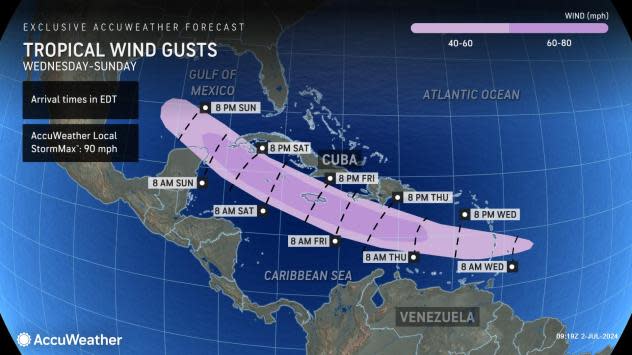
In a controversial move, social media platform X has labeled AccuWeather’s Hurricane Beryl forecast map as misinformation. This decision has sparked outrage among meteorologists and weather experts, who argue that it could lead to dire consequences, including loss of life.
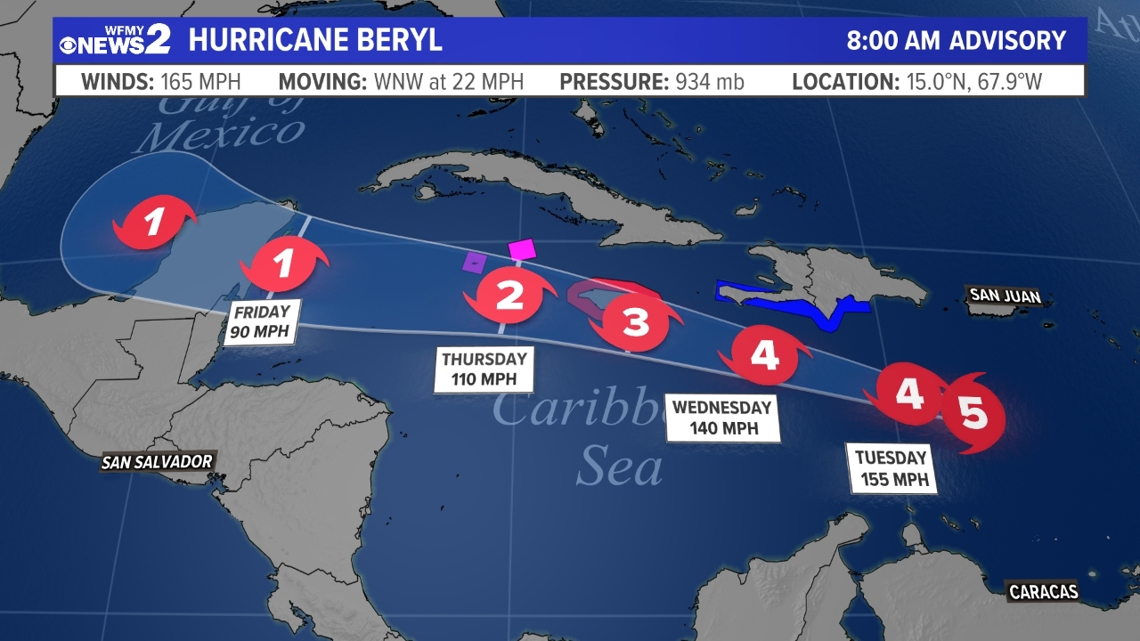
AccuWeather, a prominent weather forecasting service, released a map showing the projected path of Hurricane Beryl, which is currently churning in the Atlantic. The map, based on data from the National Hurricane Center (NHC), indicates the potential impact zones and the intensity of the storm. However, X’s misinformation label suggests that the map could be misleading or incorrect, causing confusion among the public.
X, formerly known as Twitter, has been increasingly vigilant in its efforts to combat misinformation, particularly on topics related to health, safety, and climate. The platform uses automated algorithms and human moderators to flag content that it deems potentially harmful. In this case, the label was applied due to what X described as “inconsistencies” between AccuWeather’s forecast and other sources.
“We are committed to ensuring that our users receive accurate and reliable information, especially in emergency situations,” a spokesperson for X stated. “The decision to label the map was based on a thorough review process.”
The response from the meteorological community has been swift and severe. Experts argue that AccuWeather’s map is based on sound scientific data and that the misinformation label undermines public trust in critical weather forecasts.
“This is a dangerous precedent,” said Dr. Maria Hernandez, a leading hurricane expert. “In times of crisis, people rely on accurate information to make life-saving decisions. Labeling a credible forecast as misinformation can cause unnecessary panic or, worse, lead people to ignore evacuation orders.”
Dr. James Franklin, a former director of the National Hurricane Center, echoed these concerns. “Forecasting hurricanes is inherently complex, and different models can show varying outcomes. However, discrediting a scientifically-backed forecast without a solid basis is irresponsible and can endanger lives.”
Meteorologists warn that the misinformation label could have serious repercussions. In hurricane-prone areas, timely and accurate information is crucial for residents to prepare adequately and evacuate if necessary. Mixed messages about the severity or path of the storm could lead to complacency or confusion.

“The public needs to trust the information they receive from reliable sources like AccuWeather,” said Allison Stewart, a disaster preparedness expert. “When that trust is eroded, it can result in delayed evacuations and inadequate preparations, ultimately putting lives at risk.”
AccuWeather has defended its forecast, emphasizing its commitment to providing accurate and timely weather information. The company has called for the misinformation label to be removed and has urged X to review its policies regarding weather-related content.
“Our primary concern is the safety and well-being of the public,” said Jonathan Porter, AccuWeather’s Chief Meteorologist. “We stand by our forecast and will continue to provide the most reliable information possible.”
As Hurricane Beryl continues its approach, the debate over the misinformation label highlights the critical role of accurate communication in disaster preparedness. Meteorologists and weather experts stress the importance of maintaining public trust in official forecasts, warning that any undermining of this trust could have life-threatening consequences.