In a groundbreaking social experiment, OpenAI CEO Sam Altman provided a group of individuals with $1,000 per month for three years. The initiative aimed to explore the impacts of a universal basic income (UBI) on people’s lives and well-being. As the experiment concludes, the results offer intriguing insights into the potential benefits and challenges of UBI.
The concept of universal basic income has gained traction in recent years as a potential solution to address economic inequality, job displacement due to automation, and poverty. Proponents argue that a guaranteed monthly income could provide financial security, reduce stress, and enable people to pursue education, entrepreneurship, or other meaningful activities.
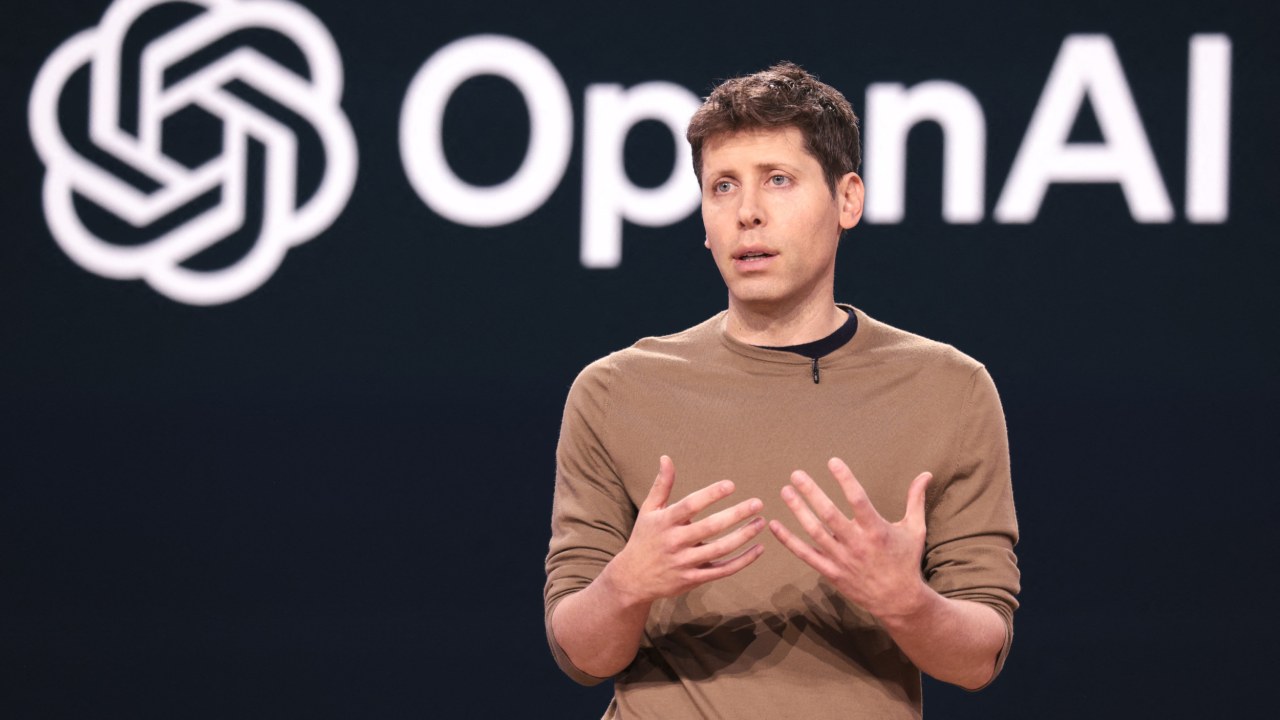
Sam Altman, a well-known advocate for UBI, decided to put theory into practice. In 2021, he announced a pilot program to give 200 randomly selected participants $1,000 a month for three years, with no strings attached. The goal was to assess how a steady, unconditional income would affect various aspects of their lives.
As the three-year period comes to an end, researchers have compiled data and feedback from the participants. Here are some of the key findings:
1. Improved Financial Security
For many participants, the monthly payments provided much-needed financial stability. Several reported that the extra income allowed them to cover essential expenses, pay off debts, and save for emergencies. This financial cushion reduced their day-to-day stress and improved overall mental health.
2. Increased Educational and Career Opportunities
A significant number of participants used the funds to invest in their education or career development. Some enrolled in college courses, vocational training, or certification programs, which they might not have been able to afford otherwise. Others used the money to start small businesses or pursue entrepreneurial ventures, leading to new job opportunities and income streams.
3. Enhanced Well-being and Life Satisfaction
Participants frequently mentioned that the financial support allowed them to focus on activities that brought them joy and fulfillment. Some spent more time with family, pursued hobbies, or engaged in volunteer work. Overall, there was a notable increase in reported life satisfaction and happiness.
4. Mixed Impact on Employment
The effect of UBI on employment was varied. While some participants reduced their working hours to focus on personal development or caregiving responsibilities, others used the extra income as a safety net to take on new job opportunities or start businesses. There was no significant evidence that UBI led to widespread job quitting or decreased work effort.
5. Community and Social Impacts
Interestingly, the program fostered a sense of community among participants. Many formed support groups to share experiences, advice, and encouragement. This communal aspect contributed to a greater sense of belonging and mutual aid.

Challenges and Criticisms
Despite the positive outcomes, the experiment also highlighted some challenges and criticisms:
1. Dependency Concerns
Critics argue that a long-term UBI could create dependency on external support, discouraging individuals from seeking traditional employment. However, the experiment did not find substantial evidence to support this claim.
2. Scalability and Funding
One of the biggest questions remains how to fund a large-scale UBI program sustainably. Altman’s experiment was privately funded, but scaling such an initiative to a national or global level would require significant government resources and a robust funding mechanism.
3. Individual Variability
The results varied widely among participants, suggesting that UBI’s impact is not uniform and can depend on personal circumstances, existing financial literacy, and other factors.
Sam Altman’s UBI experiment provides valuable insights into the potential benefits and challenges of implementing a universal basic income. While it showcased significant improvements in financial security, well-being, and opportunities for many participants, it also underscored the need for careful consideration of funding and scalability.

As policymakers and researchers continue to explore UBI as a tool for economic and social reform, Altman’s experiment stands as a pioneering effort, contributing essential data and real-world experiences to the ongoing debate.