OpenAI has secured a major legal victory after defeating a lawsuit filed by Elon Musk, marking a significant turning point in the rapidly evolving artificial intelligence industry. The decision is being viewed by analysts and investors as a major boost for OpenAI’s future ambitions, including the possibility of an eventual public listing.
The lawsuit, which had become one of the most closely watched legal battles in the tech world, centered on accusations by Musk that OpenAI had moved away from its original nonprofit mission and transformed into a commercially driven organization focused on profits and corporate partnerships. Musk argued that the company’s direction conflicted with the principles under which it was originally founded.
The court’s ruling dismissed key portions of the case, significantly reducing legal uncertainty surrounding OpenAI’s corporate structure and business strategy. The outcome represents an important victory for the company at a time when artificial intelligence firms are competing aggressively for investment, talent, infrastructure, and global influence.
The ruling also removes what many financial analysts considered one of the largest barriers to OpenAI’s potential future IPO plans. Although the company has not officially announced any intention to go public, speculation about a possible stock market debut has intensified due to OpenAI’s extraordinary growth and rising valuation.
Since the launch of ChatGPT, OpenAI has become one of the most influential technology companies in the world. Its AI systems are now used across industries ranging from education and healthcare to software development, finance, media, and customer service. The company’s rapid expansion has attracted billions of dollars in investment and established OpenAI as one of the leading players in the global AI race.
Legal uncertainty can create serious challenges for companies considering public offerings. Investors typically look for stability in governance structures, ownership arrangements, and long-term strategy before supporting IPOs. By successfully overcoming Musk’s lawsuit, OpenAI has strengthened confidence among investors and partners while clearing a potential legal hurdle that could have complicated future fundraising or restructuring efforts.
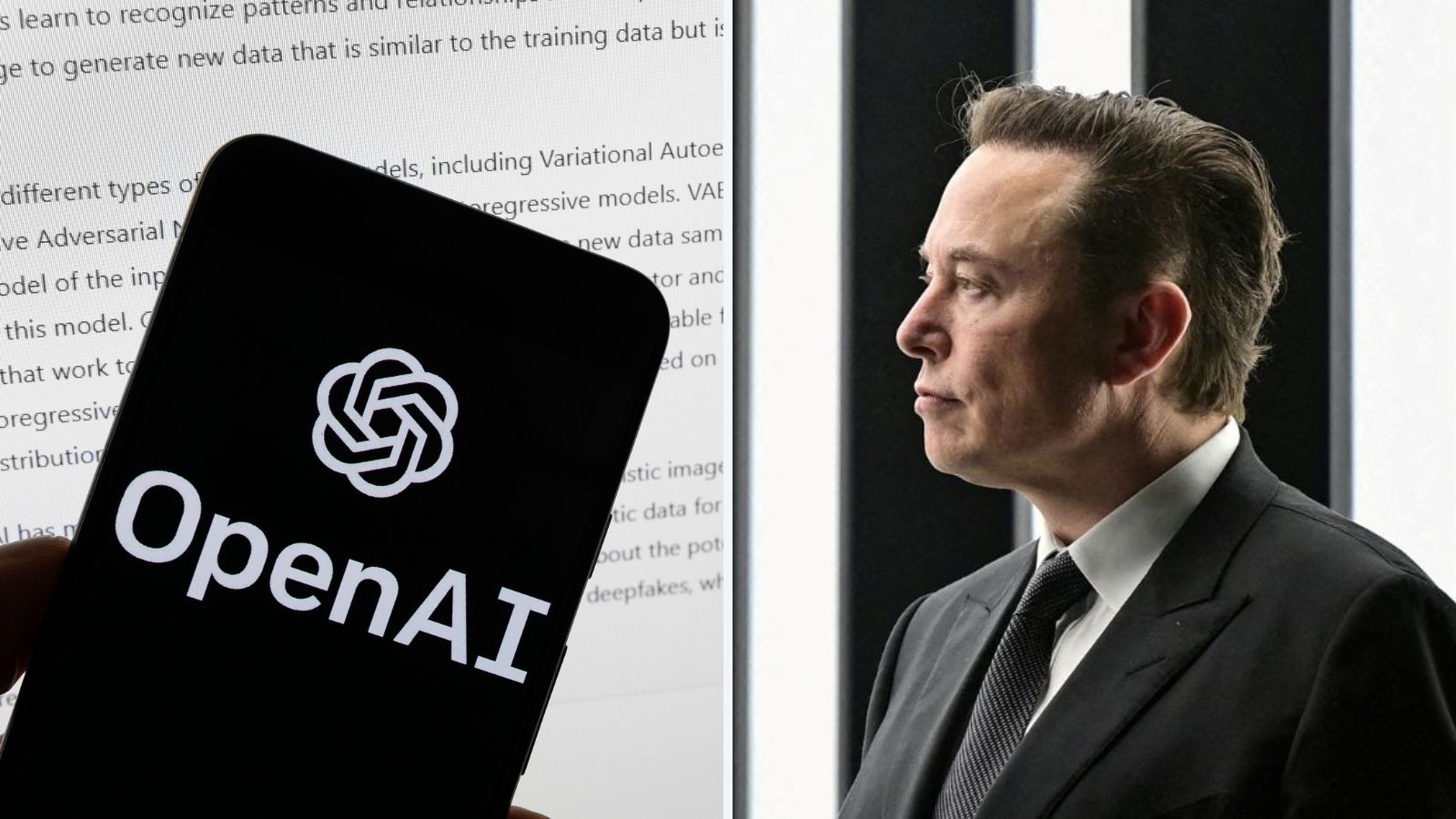
The dispute between Musk and OpenAI has deep roots. Musk was one of the original co-founders of OpenAI in 2015 and initially supported the organization’s mission of developing artificial intelligence for the benefit of humanity. The company began as a nonprofit research organization focused on ensuring that advanced AI technologies would remain safe and accessible.
However, tensions emerged over time regarding the direction of the organization. Musk eventually distanced himself from OpenAI before launching his own AI company, xAI. In recent years, he became increasingly critical of OpenAI’s partnerships, commercial strategy, and growing influence in the technology sector.
One of Musk’s primary criticisms involved OpenAI’s close partnership with Microsoft. Microsoft has invested billions of dollars into OpenAI and integrated the company’s AI technology into products including Windows, Azure, Office, and Bing. Musk argued that such relationships concentrated too much power within a small group of corporations and undermined OpenAI’s original nonprofit vision.
OpenAI, however, has consistently defended its hybrid organizational structure, arguing that large-scale funding is essential for building advanced AI systems responsibly. Company executives have repeatedly stated that developing cutting-edge artificial intelligence requires enormous investments in computing infrastructure, engineering talent, safety research, and data centers.
The company also maintains that its structure allows it to balance commercial growth with its broader mission of ensuring that artificial general intelligence benefits humanity. OpenAI leaders have argued that remaining competitive in the rapidly accelerating AI race would be impossible without substantial financial backing and strategic partnerships.
The court’s decision comes at a critical moment for the global AI industry. Competition among major technology firms has intensified dramatically as companies race to develop increasingly sophisticated AI models and applications. OpenAI faces competition from Google, Meta, Anthropic, Amazon-backed ventures, and Musk’s own xAI initiative.
At the same time, governments and regulators around the world are paying closer attention to artificial intelligence development. Concerns about privacy, misinformation, copyright, labor disruption, and AI safety have triggered debates over how the technology should be governed. OpenAI’s legal victory may strengthen its position as policymakers continue shaping future AI regulations.
The ruling also highlights how artificial intelligence has become one of the most strategically important sectors in the modern economy. Investors are pouring billions into AI startups and infrastructure, while major corporations are restructuring their businesses around AI-driven tools and automation.
For OpenAI, the legal win could accelerate its next phase of expansion. The company is reportedly exploring new AI products, enterprise solutions, developer tools, and global partnerships. Continued investor confidence will likely play a major role in supporting those ambitions.
The possibility of an OpenAI IPO remains a subject of intense speculation in financial markets. If the company eventually goes public, it could become one of the largest and most anticipated technology offerings in recent years. Analysts believe investor interest would likely be enormous given OpenAI’s position at the center of the AI boom.
Despite the courtroom defeat, Elon Musk is unlikely to soften his criticism of OpenAI and the broader AI industry. He has repeatedly warned about the dangers of uncontrolled artificial intelligence development and has positioned xAI as an alternative vision for the future of AI innovation.
Nevertheless, OpenAI’s courtroom victory represents more than just a legal success. It symbolizes the growing power and maturity of the company as it transitions from a research-focused startup into one of the most influential technology organizations in the world.
With a major legal challenge now weakened, OpenAI appears better positioned to focus on expansion, innovation, and long-term strategic planning. Whether or not the company eventually pursues an IPO, the decision has undoubtedly strengthened its standing in the increasingly competitive and high-stakes race to shape the future of artificial intelligence.