In a landmark ruling, a federal district court in New York has determined that U.S. customs agents must obtain a warrant before searching the electronic devices of Americans and international travelers crossing the U.S. border. This decision marks a significant victory for privacy advocates and sets a new precedent for digital privacy protections at the nation’s borders.
The Court’s Decision
Judge Pamela K. Chen of the U.S. District Court for the Eastern District of New York ruled that the Fourth Amendment’s protections against unreasonable searches and seizures extend to digital devices carried by travelers entering the United States. The court emphasized that the vast amount of personal information stored on smartphones, laptops, and other electronic devices necessitates a higher standard of privacy protection.
“The volume and nature of personal information stored on modern electronic devices create a profound expectation of privacy,” Judge Chen wrote. “This expectation warrants the requirement of a judicial warrant supported by probable cause.”

Background and Implications
This decision originates from a lawsuit filed by the American Civil Liberties Union (ACLU) and the Electronic Frontier Foundation (EFF) on behalf of 11 plaintiffs, including both American citizens and international travelers. These individuals had their electronic devices searched without warrants, prompting them to argue that such searches violated their constitutional rights and exposed sensitive personal and professional information.
In recent years, U.S. Customs and Border Protection (CBP) has significantly increased the frequency of electronic device searches at borders, citing concerns related to national security and law enforcement. Critics, however, have argued that these practices infringe on privacy rights and disproportionately target certain groups, such as journalists, lawyers, and individuals of specific ethnic backgrounds.
The court’s ruling imposes new restrictions on CBP and Immigration and Customs Enforcement (ICE), requiring agents to demonstrate probable cause and obtain a warrant before accessing the contents of electronic devices. This represents a significant departure from previous practices, where such searches could be conducted without suspicion or warrants.
Reactions and Future Steps
Privacy advocates have lauded the decision as a critical advancement for civil liberties. “This ruling is a monumental victory for protecting personal data and upholding constitutional rights at the border,” said Nathan Freed Wessler, a staff attorney with the ACLU. “It sends a clear message that the government cannot bypass fundamental privacy protections simply because someone is entering or leaving the country.”
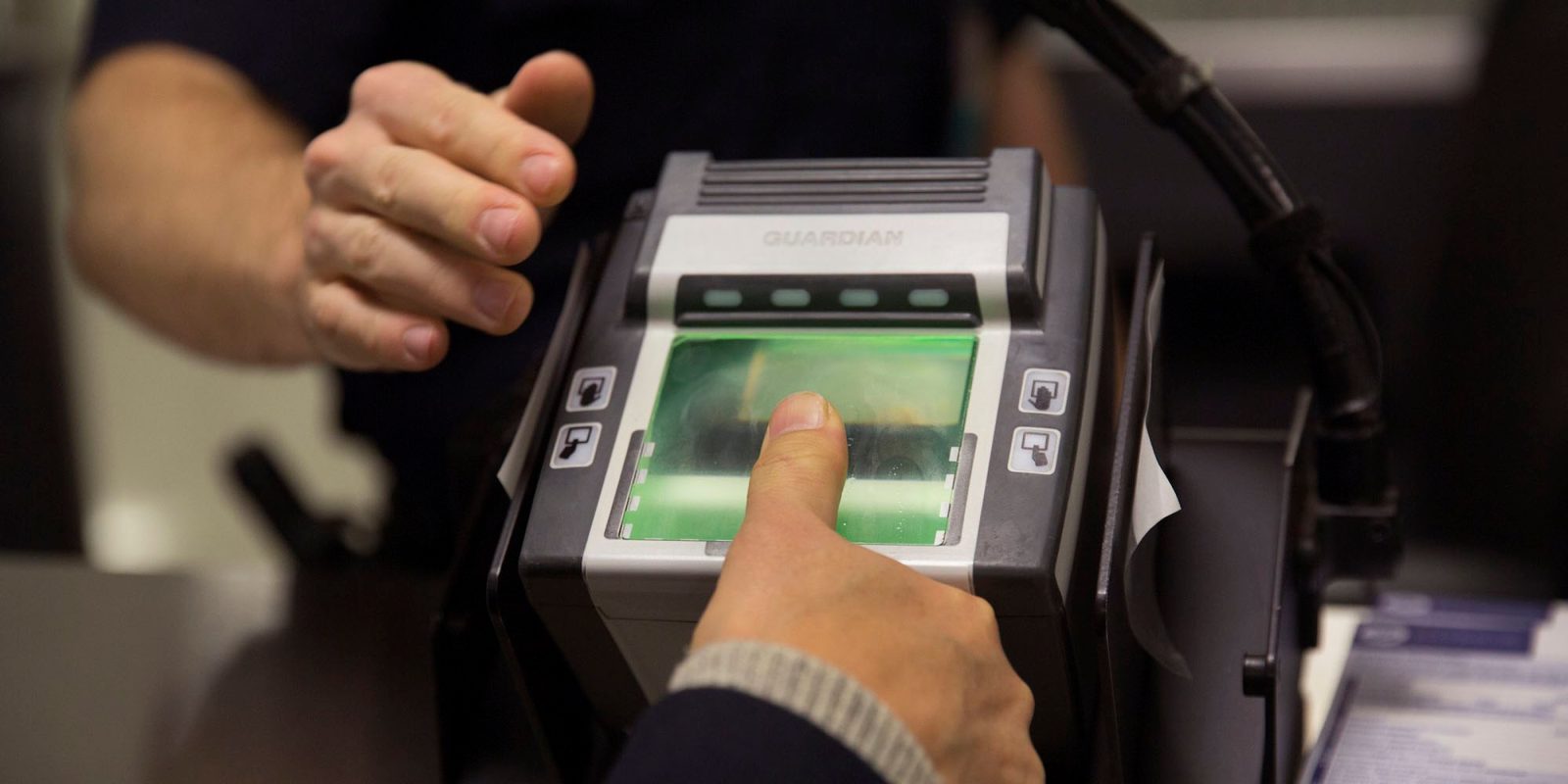
Conversely, CBP and ICE officials have expressed concerns about the ruling’s potential impact on border security and their capacity to investigate and prevent illegal activities. A CBP spokesperson stated, “We are reviewing the court’s decision and assessing its implications for our operations. Our primary mission remains to protect the American people, and we will continue to do so within the bounds of the law.”
Broader Implications
The decision from the Eastern District of New York could have far-reaching implications beyond this specific case, potentially influencing how other courts across the United States interpret digital privacy rights at the border. It may also prompt legislative action to establish and codify the standards for electronic device searches.
Legal experts suggest that the ruling could lead to an increase in warrant requests and potentially slow down the processing of travelers at border checkpoints. However, they also argue that the decision strikes a necessary balance between national security and individual privacy rights in the digital era.
Conclusion
Requiring warrants for electronic device searches at U.S. borders represents a significant advancement in digital privacy rights. As technology continues to evolve and more personal information is stored on electronic devices, this ruling ensures that constitutional protections keep pace with these changes. The decision highlights the importance of upholding fundamental rights and sets a precedent for the protection of privacy in an increasingly digital world.