Global memory markets are entering a period of sharp upheaval as South Korea’s two dominant chipmakers, Samsung Electronics and SK Hynix, move to raise DRAM prices by as much as 70 percent. The aggressive pricing shift marks one of the steepest increases the memory industry has seen in years and reflects a dramatic change in supply–demand dynamics driven largely by the artificial intelligence boom.
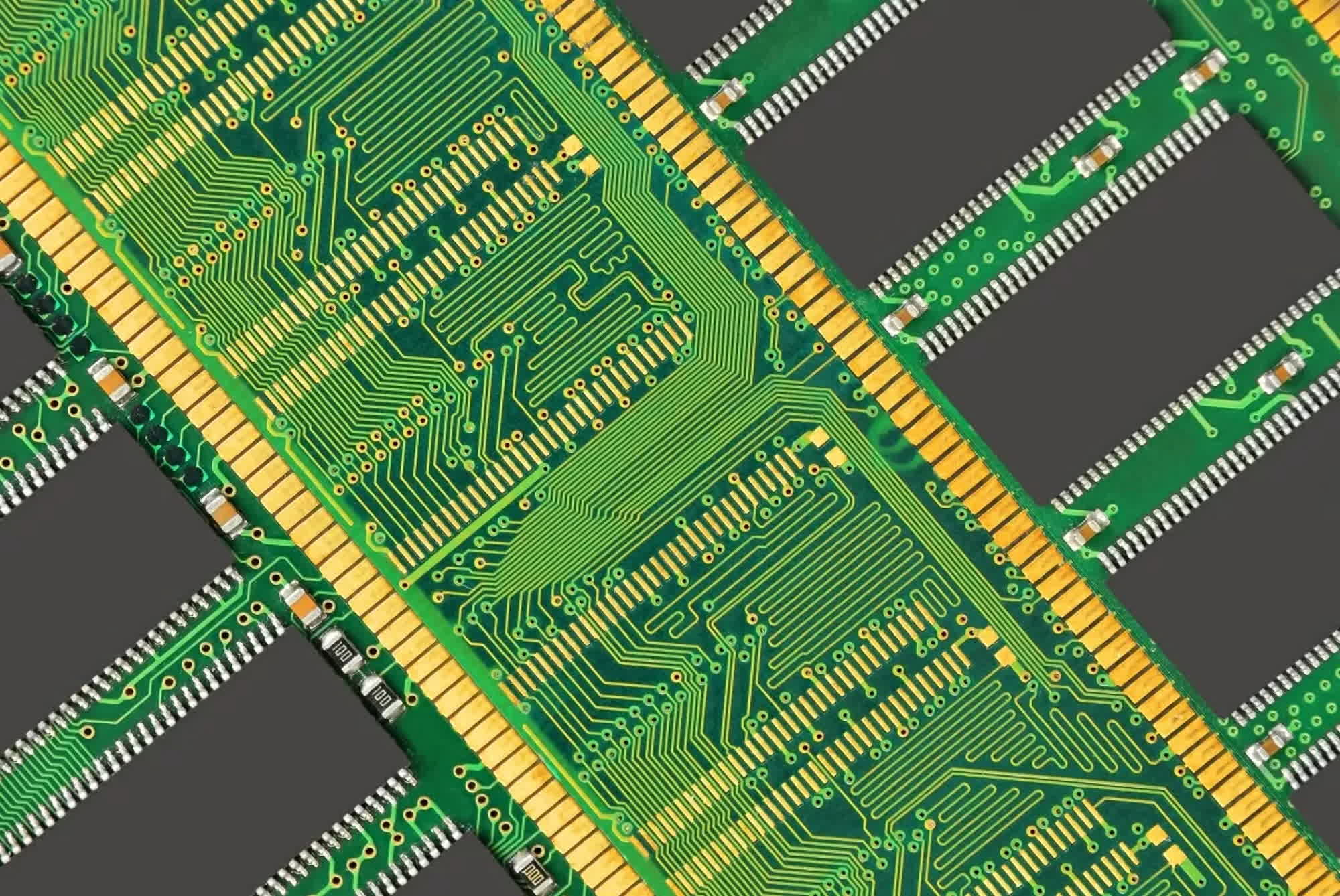
DRAM, or dynamic random-access memory, is a foundational component in nearly all modern computing devices, from smartphones and laptops to data-center servers powering cloud services and AI models. As prices surge, the ripple effects are expected to reach far beyond chipmakers, impacting enterprise IT budgets, consumer electronics pricing, and the broader global technology supply chain.
AI Boom Reshapes the Memory Market
At the heart of the price surge lies exploding demand for AI infrastructure. Technology companies are racing to build and expand data centers capable of training and running increasingly complex AI models. These systems require vast amounts of high-performance memory to operate efficiently, particularly in servers optimized for AI workloads.
Samsung and SK Hynix, which together control a substantial share of the global DRAM market, have increasingly prioritized advanced memory products tailored for AI applications. This strategic shift has constrained the supply of conventional DRAM, tightening availability just as demand has accelerated.
The result is a market that has flipped rapidly from years of oversupply and depressed prices to one characterized by scarcity and strong pricing power for manufacturers.
Strategic Shift in Contracts and Pricing
Another factor amplifying the price hike is a change in how memory contracts are negotiated. Traditionally, large buyers relied on long-term agreements that provided price stability. Now, Samsung and SK Hynix are reportedly pushing toward shorter-term or quarterly contracts, allowing them to adjust prices more frequently in response to market conditions.
This shift has weakened buyers’ negotiating leverage. Major cloud service providers and enterprise customers, wary of supply disruptions, are increasingly willing to accept higher prices to secure guaranteed shipments. In some cases, ensuring availability has become more critical than controlling costs.
By limiting long-term commitments and capitalizing on urgent demand, the two chipmakers are effectively resetting the baseline for DRAM pricing.
Impact on Servers, PCs, and Smartphones
The immediate impact of higher DRAM prices will be felt most acutely in the server market, where memory accounts for a significant portion of system costs. Data-center operators may face rising expenses as they scale AI and cloud infrastructure, potentially slowing some expansion plans or increasing service prices.
Consumer electronics are also likely to feel the pressure. PCs, laptops, and smartphones rely heavily on DRAM, and manufacturers already operating on thin margins may be forced to pass some of the increased costs on to consumers. While flagship devices may absorb the impact more easily, entry-level and mid-range products could see noticeable price adjustments.
For consumers, this could mean higher prices or slower innovation cycles, as manufacturers balance component costs against competitive pricing pressures.
A New Memory Supercycle?
Industry analysts increasingly describe the current environment as the beginning of a new memory supercycle. Unlike previous cycles driven largely by consumer electronics demand, this one is anchored in long-term structural changes, particularly the rise of AI, machine learning, and data-intensive computing.
Unlike smartphones or PCs, AI infrastructure investments tend to be sustained and cumulative. Once built, data centers require ongoing upgrades and expansions, ensuring steady demand for memory over many years. This structural demand may allow DRAM prices to remain elevated longer than in past cycles, where oversupply eventually led to sharp corrections.
Samsung and SK Hynix appear confident that demand will remain strong enough to justify their pricing strategy, even at the risk of pushing some customers to explore alternative suppliers.
Winners and Losers
For memory manufacturers, the price surge is a clear win. Higher DRAM prices translate directly into improved margins and stronger financial performance after several years of profitability pressure. Investors have responded positively, viewing tighter supply and robust demand as a sign of sustained earnings growth.
For customers, however, the outlook is more mixed. Large cloud providers may be able to absorb higher costs due to scale and pricing power, but smaller enterprises and hardware manufacturers could struggle. Startups and emerging tech firms, in particular, may find rising infrastructure costs a barrier to growth.
Governments and policymakers are also watching closely. Memory chips are considered strategically important, and prolonged price inflation could renew calls for supply chain diversification and domestic semiconductor manufacturing initiatives.

What Comes Next
Looking ahead, the durability of the price increases will depend on how quickly supply responds. Expanding DRAM production capacity is capital-intensive and time-consuming, often taking years from investment to output. Even if manufacturers announce new capacity plans, relief may not arrive quickly.
Meanwhile, demand from AI workloads shows little sign of slowing. As AI models grow larger and more complex, memory requirements are expected to rise further, reinforcing the tight market conditions.
For now, Samsung and SK Hynix have firmly seized the upper hand. By leveraging their dominant market positions and the urgency of AI-driven demand, they are redefining the economics of the DRAM industry—ushering in an era of higher prices, tighter supply, and far-reaching consequences for the global technology ecosystem.