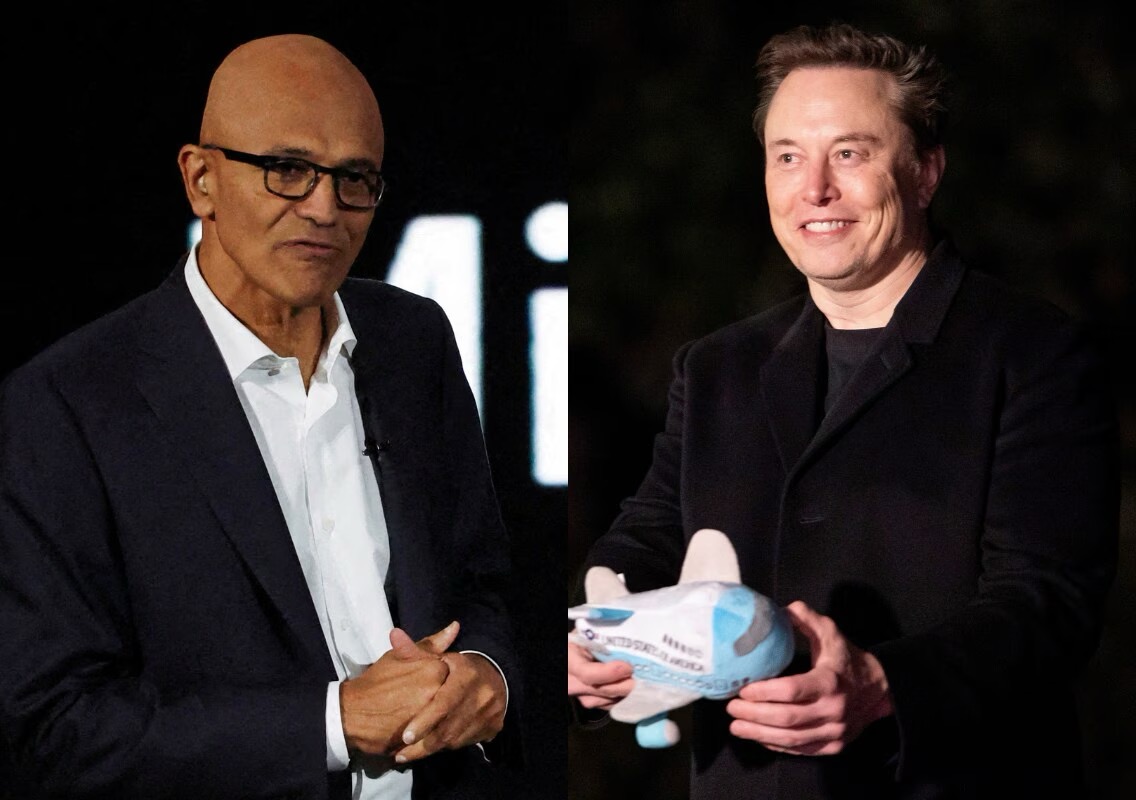
Billionaire entrepreneur Elon Musk has intensified his legal battle against OpenAI, the creator of ChatGPT, by expanding his lawsuit to include federal antitrust claims and adding Microsoft, OpenAI’s largest financial backer, as a defendant. This development marks a significant escalation in a case that could have far-reaching implications for the future of artificial intelligence.
Originally filed earlier this year, Musk’s lawsuit accused OpenAI of straying from its foundational mission of ensuring that artificial general intelligence (AGI) benefits humanity. The amended complaint alleges that the organization has prioritized profit over public good, undermining the ethical framework upon which it was built.
The new claims target Microsoft for its financial involvement with OpenAI, alleging that the partnership creates anti-competitive practices that hinder innovation within the AI sector. Musk contends that Microsoft’s substantial investments give it undue influence over OpenAI’s operations and decision-making, effectively consolidating power in the hands of a few corporations.
“The growing collaboration between OpenAI and Microsoft raises serious concerns about monopolistic behavior in the tech industry,” Musk stated. “This lawsuit aims to protect competition and ensure that the development of AI technologies remains open and accessible to all.”
Legal analysts suggest that the inclusion of federal antitrust claims could significantly alter the dynamics of the case. “By implicating Microsoft, Musk is broadening the scope of the lawsuit and highlighting potential market manipulation,” said Dr. Emily Patel, an expert in technology law. “This could have major implications for how large tech companies operate and collaborate.”
As the lawsuit progresses, it has attracted attention from regulators and industry insiders alike, raising important questions about accountability and ethical practices in AI development. Observers are particularly interested in how this legal confrontation might affect the regulatory landscape surrounding emerging technologies.
Neither OpenAI nor Microsoft has publicly responded to the expanded lawsuit, but sources indicate both companies are preparing to vigorously defend their practices. The outcome of this case could reshape the competitive landscape of AI and influence future investments in the field.
As Musk’s legal challenge unfolds, the tech community watches closely, aware that its repercussions could extend far beyond the courtroom, impacting the development and governance of artificial intelligence for years to come.