Former President Donald Trump has once again turned his attention to Big Tech, this time issuing a stark warning that Google, one of the world’s largest technology companies, may face severe consequences, including being “shut down.” Trump’s remarks, delivered during a rally in Florida over the weekend, have sparked widespread reactions and renewed debates about the relationship between tech giants and political power.
In his speech, Trump criticized Google as being “very bad” for its alleged biases and influence over information dissemination. He accused the company of manipulating search results to favor certain political agendas and of having too much unchecked power over public discourse. “What they’re doing is wrong, and it’s something we can’t allow to continue,” Trump declared to a cheering crowd. “Believe me, Google is a very bad player, and they may be shut down. We have to look at it very closely.”
Background and Context
Trump’s comments are part of a long-running feud between the former president and major tech companies, which he has often accused of being biased against conservatives. During his presidency, Trump frequently clashed with Google, Facebook, and Twitter (now X Corp), accusing them of suppressing conservative viewpoints. This tension culminated in high-profile investigations and regulatory actions aimed at curbing the power of these companies.
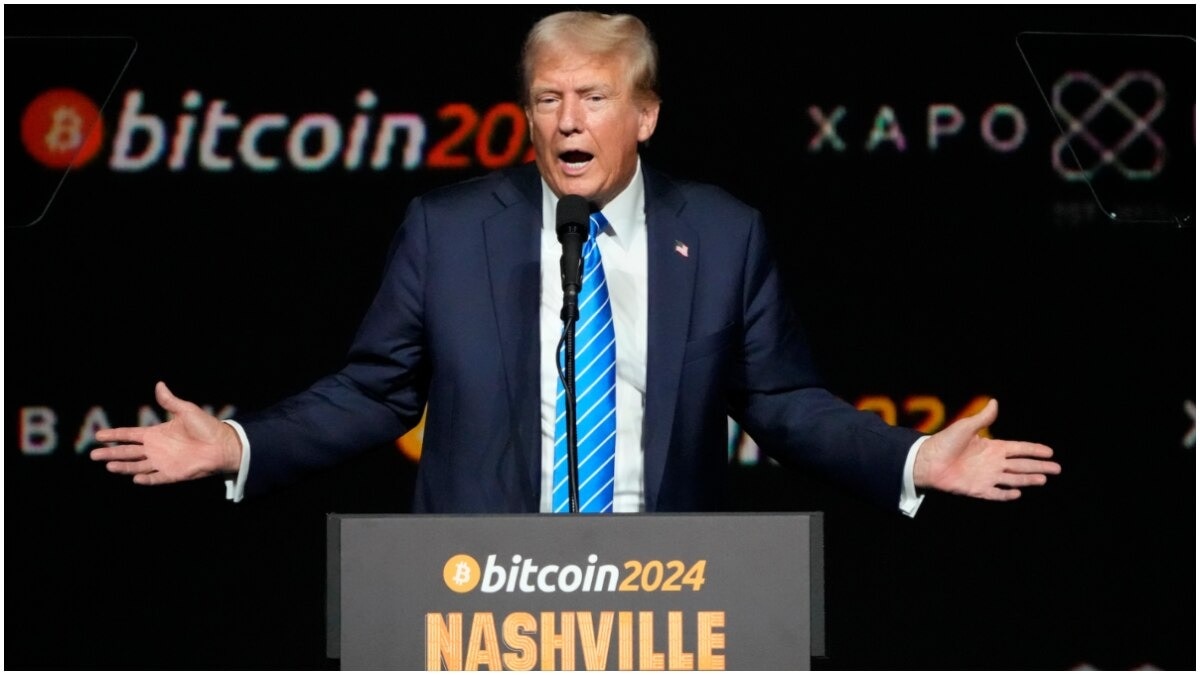
Although no concrete steps have been taken towards shutting down Google, Trump’s remarks have nonetheless reignited concerns about government overreach and the potential for politically motivated actions against private companies.
Reactions from the Tech Industry and Beyond
Google has not yet responded publicly to Trump’s latest remarks, but the company’s executives have previously denied any allegations of bias, insisting that their platforms are neutral and focused on providing accurate and relevant information to users.
Critics of Trump’s comments argue that such rhetoric is dangerous and undermines the principles of free speech and free enterprise. Many in the tech industry and civil liberties groups have expressed concern that these statements could set a precedent for using governmental power to target specific companies or individuals based on political disagreements.

On the other hand, supporters of Trump argue that tech companies like Google wield too much influence and lack adequate oversight. They believe that the former president is raising valid concerns about the need to hold these companies accountable for their actions.
Legal and Political Implications
Trump’s threat to shut down Google raises significant legal and constitutional questions, particularly concerning the limits of executive power and the First Amendment. Legal experts have noted that any attempt to shut down a private company like Google would face substantial legal challenges and could be deemed unconstitutional.

Politically, the comments may energize Trump’s base, many of whom share his concerns about Big Tech’s role in society. However, it may also alienate more moderate voters who view such threats as extreme or impractical.
Looking Forward
As the 2024 election cycle intensifies, Trump’s rhetoric against Big Tech is likely to remain a prominent feature of his campaign. How this will translate into concrete actions, and whether it will resonate with a broader electorate, remains to be seen.
In the meantime, Google, along with other tech giants, continues to navigate an increasingly complex landscape of political scrutiny and regulatory pressure. The company’s future actions and responses to these challenges will be closely watched by both its supporters and detractors.