


Australia to Impose Fines on Social Media Giants for Misinformation
In a bold move to combat the growing menace of misinformation, the Australian government has announced plans to impose significant fines on social media companies that fail to tackle false information on their platforms. The new regulations, unveiled this week, aim to hold tech giants accountable for the spread of misleading and harmful content.
The Australian Communications and Media Authority (ACMA) will oversee the enforcement of these new rules, which will require platforms like Facebook, Twitter, and YouTube to enhance their measures for detecting and curbing misinformation. Companies that fall short of these requirements could face fines up to AUD 500 million, marking a substantial increase in regulatory pressure on the tech industry.
Minister for Communications Michelle Rowland emphasized the necessity of these measures in a press conference. “The proliferation of misinformation on social media poses a serious risk to public health, safety, and democracy,” Rowland said. “It is essential that these platforms take responsibility and act decisively to prevent the spread of false information.”

The regulations come in response to mounting concerns over the role social media plays in amplifying misinformation, particularly during critical events such as elections and public health crises. Recent studies have highlighted how misleading content can undermine public trust and exacerbate societal divides.
Social media companies have been given a grace period to comply with the new rules, during which they must demonstrate effective strategies for monitoring and removing false information. Failure to do so will result in hefty penalties, with the government promising rigorous oversight and accountability.
Tech giants have expressed concerns about the broad scope and potential challenges of implementing these measures. However, the Australian government remains steadfast in its commitment to safeguarding the integrity of information online.
As the world grapples with the impact of misinformation, Australia’s new regulations may set a precedent for other nations grappling with similar challenges, signaling a significant shift towards stricter oversight of digital platforms.
Murky Future for Misinformation Bill as Coalition Raises Free Speech Concerns and Musk Weighs In
Australia’s proposed misinformation bill faces a precarious future amid escalating tensions between lawmakers and tech giants. The bill, designed to impose strict regulations on social media platforms to curb the spread of false information, is encountering fierce opposition from both political leaders and influential figures in the tech industry.
The Coalition has voiced strong concerns about the bill, arguing that it could infringe on free speech rights. Coalition members contend that the legislation’s broad provisions could lead to undue censorship and stifle open discourse online. “While combating misinformation is crucial, we must be vigilant not to erode fundamental freedoms,” said Coalition spokesperson Mark Thompson. The party is calling for a more balanced approach that protects both the integrity of information and the right to free expression.
Adding to the bill’s controversy, Elon Musk, the CEO of X (formerly Twitter), has taken to the platform to criticize the proposed legislation. Musk, a vocal advocate for minimal content moderation and free speech, described the bill as “a dangerous overreach that could set a troubling precedent.” His remarks have sparked a lively debate among users and policymakers alike, amplifying the already heated discourse surrounding the bill.
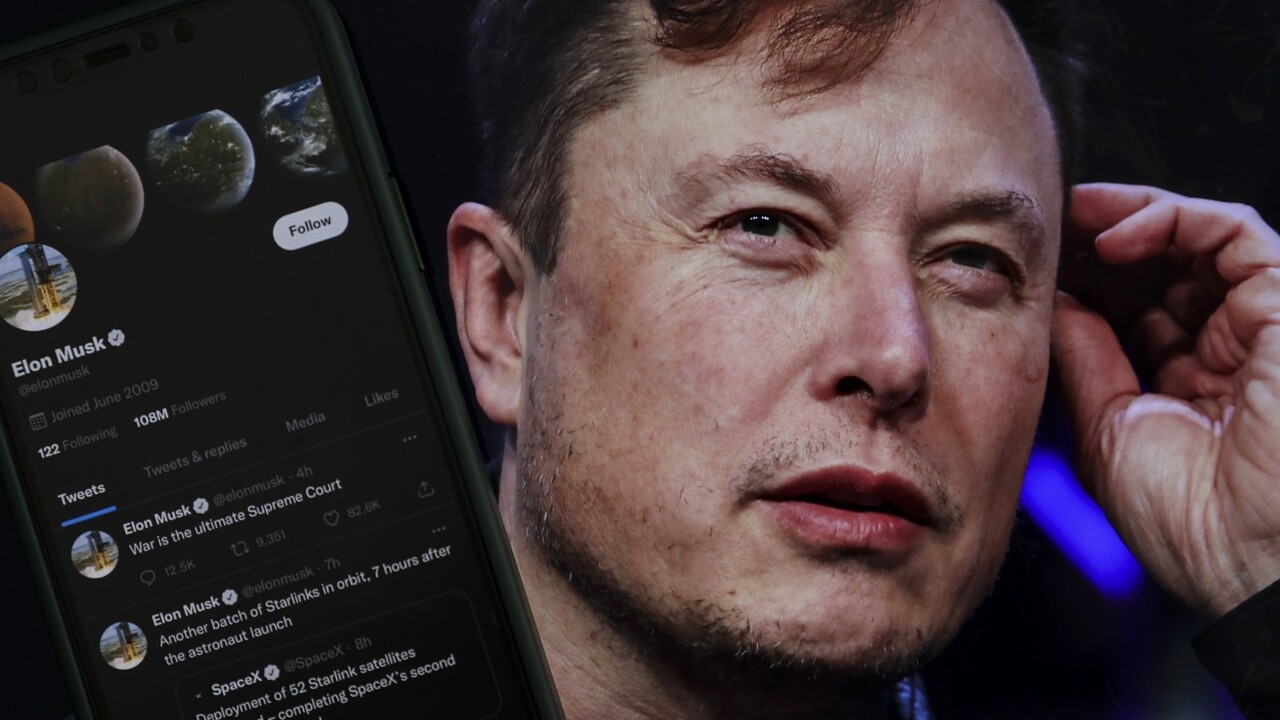
The legislation, introduced by the Australian government in response to the rising tide of misinformation online, aims to hold social media platforms accountable for the spread of false content. It includes provisions for significant fines for companies that fail to implement effective anti-misinformation measures. Despite government assurances that the bill will safeguard against misinformation without compromising free speech, critics remain skeptical.
As the debate intensifies, the future of the misinformation bill remains uncertain. Lawmakers will need to navigate the complex balance between combating false information and preserving free speech, a challenge that is increasingly becoming a focal point in global discussions on digital regulation.
Ran Out of Time’: Stranded US Astronaut Says Troubled Starliner Could Have Carried Him Home
In a dramatic revelation, a US astronaut who was stranded on the International Space Station (ISS) has claimed that a malfunctioning spacecraft could have been his ticket back to Earth. The astronaut, who returned safely on a SpaceX Crew Dragon capsule after a prolonged stay, spoke out about the issues surrounding the Boeing CST-100 Starliner, a spacecraft intended for his return.
NASA astronaut Robert Garcia, who spent an extra six months aboard the ISS due to delays with the Starliner, disclosed in a recent interview that the spacecraft was close to being ready for a mission but ran into critical delays. “We ran out of time,” Garcia said. “The Starliner was having some technical issues that could have been resolved, but the timeline did not allow it.”
The Starliner, developed by Boeing as part of NASA’s Commercial Crew Program, has faced a series of setbacks since its inception. Despite successful uncrewed test flights, the spacecraft has struggled with reliability issues, leading to delays and extended missions for astronauts like Garcia.
Garcia’s extended stay on the ISS was a result of the Starliner’s failure to meet its scheduled readiness date. The delay left him and his fellow astronauts relying on SpaceX’s Crew Dragon for their return, which eventually managed to bring Garcia and his team home safely.
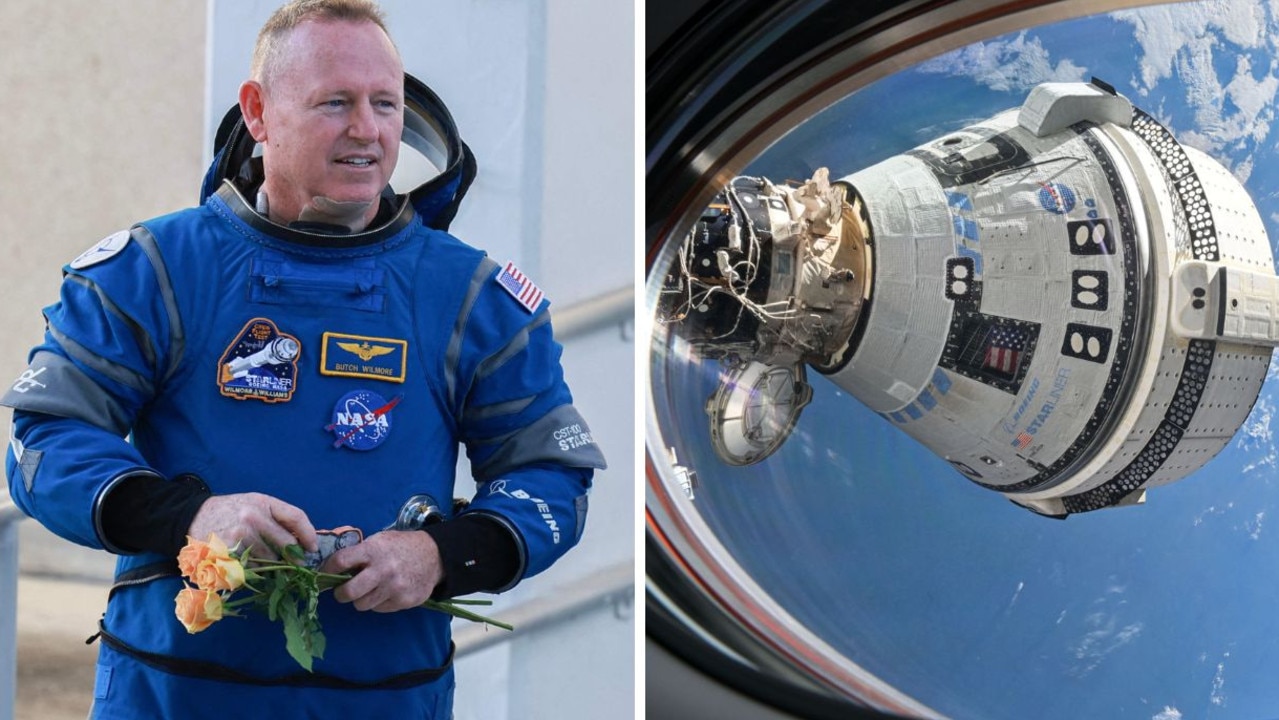
Boeing has acknowledged the issues with Starliner and is working on addressing them. “We are committed to resolving the technical problems and ensuring that Starliner meets all safety and performance standards,” said a Boeing spokesperson.
As NASA continues to rely on both SpaceX and Boeing for crewed missions, the delays and technical challenges associated with the Starliner underscore the ongoing complexities of space travel and the critical importance of reliable spacecraft.
Woman Regrets Viral Pet Eating Post After Receiving Bomb Threats
A woman from Texas has expressed profound regret after a controversial social media post she shared led to widespread backlash and bomb threats. The post, which depicted her pet dog being prepared for a meal, quickly went viral and sparked intense reactions online.
The woman, identified only as Emily M., posted the image with a caption that was meant to be humorous but was widely deemed offensive and insensitive. The post was quickly condemned by animal lovers and social media users, who accused her of animal cruelty. Within hours, the situation escalated, with several threats of violence, including bomb threats, being directed at her and her residence.
“I never expected this reaction,” Emily M. said in an emotional statement. “What was meant as a misguided joke has spiraled out of control. I am deeply sorry for any distress I’ve caused.”
Authorities have since been involved, investigating the bomb threats and increasing security around Emily M.’s home. The local police department has urged the public to avoid making or responding to threats and to report any suspicious activity immediately.

Animal rights activists have condemned the post and called for stricter regulations on social media content related to animal welfare. “While freedom of speech is important, we must also ensure that it does not cross into areas that cause harm or distress to others,” said Laura Bennett, an animal rights advocate.
Emily M. has taken down the post and has pledged to engage in animal welfare advocacy as a means of making amends. “I understand now how my actions have hurt others,” she added. “I hope to use this experience to promote better understanding and compassion for animals.”
The incident serves as a stark reminder of the potential consequences of online actions and the need for sensitivity and awareness in digital communications.
Telstra Joins 11 Telcos and Ericsson to Form New Telecommunications Venture
In a strategic move poised to reshape the telecommunications landscape, Telstra has announced its partnership with 11 other major telcos and Swedish technology giant Ericsson to form a new telecommunications company. The joint venture, unveiled this week, aims to leverage collective expertise and resources to drive innovation and enhance network capabilities.
The new company, which will operate under a yet-to-be-disclosed name, seeks to accelerate the deployment of next-generation 5G networks and other advanced technologies. The collaboration includes prominent players such as Vodafone, Deutsche Telekom, and China Mobile, alongside Ericsson, which will provide critical infrastructure and technological support.
Telstra CEO Andrew Penn expressed enthusiasm about the venture, highlighting its potential to transform the industry. “By joining forces with leading global telcos and Ericsson, we are creating a powerful alliance that will drive technological advancements and improve connectivity for millions of customers worldwide,” Penn said in a statement.

The new entity will focus on several key areas, including the development of 5G infrastructure, the expansion of network coverage, and the integration of emerging technologies such as artificial intelligence and the Internet of Things (IoT). The initiative is expected to enhance operational efficiencies and reduce costs for participating companies, while also fostering innovation in telecommunications.
Ericsson’s CEO, Börje Ekholm, also expressed strong support for the collaboration. “This venture represents a significant step forward in our efforts to build the future of connectivity,” Ekholm noted. “We are excited to work with Telstra and other leading operators to bring cutting-edge solutions to market.”
The formation of this new company is seen as a strategic response to the rapidly evolving telecommunications sector, where competition and technological advancements are driving companies to seek collaborative approaches. The venture is expected to play a crucial role in shaping the future of global connectivity and setting new industry standards.
As the telecommunications landscape continues to evolve, this partnership marks a notable shift towards greater collaboration and innovation in the industry.






