The United States has moved to tighten its controls on advanced artificial intelligence technology by taking steps aimed at preventing Chinese companies from accessing high-performance AI chips through overseas subsidiaries and affiliated entities. The latest measure represents a significant expansion of Washington’s efforts to restrict China’s access to cutting-edge semiconductor technology and underscores the growing strategic importance of artificial intelligence in global competition.
The new policy is designed to close potential loopholes that may have allowed Chinese firms to continue acquiring advanced AI processors despite existing export restrictions. US officials have increasingly expressed concerns that some Chinese companies were able to purchase sophisticated chips through operations based outside mainland China, thereby bypassing regulations intended to limit access to critical technologies.
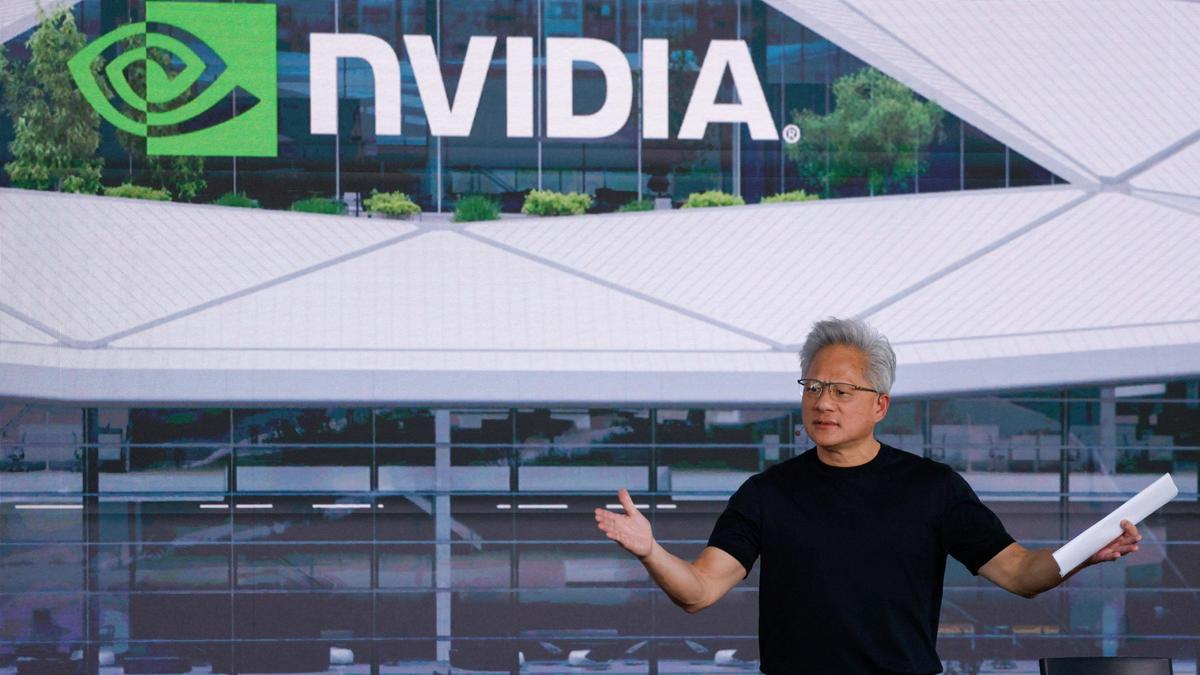
At the center of the issue are advanced AI chips produced by Nvidia, whose processors have become essential tools for training and running large-scale artificial intelligence models. These chips power everything from generative AI applications and cloud computing services to scientific research and advanced data analytics. Because of their immense computing capabilities, they are also viewed as strategically important technologies with potential military and national security implications.
The United States has spent several years expanding export controls on advanced semiconductors and chip-making equipment destined for China. Officials argue that restricting access to such technologies is necessary to prevent their use in military modernization, surveillance systems, and other applications that could challenge US national security interests. However, policymakers have become increasingly concerned that Chinese companies may have found alternative methods to obtain restricted hardware through international networks and foreign-based subsidiaries.
Under the latest measures, companies seeking to export advanced AI chips will face greater scrutiny when dealing with Chinese-linked entities operating outside China. The policy is expected to affect a wide range of transactions involving high-performance processors, particularly those used for training sophisticated AI systems. By broadening the scope of restrictions, Washington hopes to ensure that controls remain effective regardless of where a Chinese company conducts business.
The move comes amid an escalating technological rivalry between the United States and China. Artificial intelligence has emerged as one of the most important strategic industries of the 21st century, with governments around the world investing heavily in AI research, infrastructure, and talent development. Access to advanced computing power is widely regarded as a critical factor in determining which countries and companies will lead the next wave of technological innovation.
Nvidia has found itself at the center of this geopolitical contest. The company has become the dominant supplier of AI accelerators used by technology firms, research institutions, and cloud service providers worldwide. Demand for its products has surged as businesses race to develop increasingly powerful AI systems. At the same time, Nvidia has faced repeated challenges in navigating export restrictions that limit sales to certain markets.
Over the past few years, the company has introduced modified versions of some of its chips to comply with US regulations while continuing to serve customers in restricted regions. Nevertheless, each new round of export controls has added complexity to its operations and raised questions about the future of international semiconductor trade.
Industry experts say the latest restrictions could have far-reaching consequences for the global technology sector. Companies involved in manufacturing, distributing, and deploying AI hardware may be required to implement stricter compliance procedures to ensure that advanced chips do not reach restricted entities. This could increase administrative costs and create additional challenges for businesses operating across multiple jurisdictions.
The policy may also influence investment decisions related to data centers and AI infrastructure. In recent years, several countries have emerged as important hubs for technology development and semiconductor distribution. Greater scrutiny of transactions involving Chinese-linked firms could reshape how companies structure international operations and manage supply chains.
Meanwhile, China continues to accelerate efforts to build a self-sufficient semiconductor ecosystem. Chinese technology companies and government-backed initiatives have invested billions of dollars into chip design, manufacturing, and AI research. These efforts have gained urgency as access to foreign technology becomes increasingly uncertain.
Although Chinese firms still face significant obstacles in matching the capabilities of leading global semiconductor companies, domestic innovation has become a national priority. Industry analysts believe that continued restrictions may further encourage investment in homegrown alternatives, potentially reshaping the competitive landscape of the global semiconductor industry over the long term.
The latest US action highlights the growing intersection of technology, economics, and national security. Semiconductors, once viewed primarily as commercial products, have become central to international strategic competition. As governments seek to secure technological advantages in artificial intelligence and advanced computing, export controls are likely to remain a key policy tool.
With demand for AI computing power continuing to surge, the battle over access to advanced chips is expected to intensify. The United States appears determined to strengthen enforcement of its technology restrictions, while China is pushing to reduce reliance on foreign suppliers. The outcome of this contest could have lasting implications not only for the two countries but also for the future of the global technology industry.
As artificial intelligence becomes increasingly integrated into economies, industries, and defense systems, control over the hardware that powers these technologies is emerging as one of the defining issues of the modern era. The latest US move marks another significant step in a competition that is likely to shape the future of innovation and global technological leadership.